Tour the roadside stations
The cheapest, most local way to see Okinawa. Twenty complete guides: opening hours, real prices, bus stops and how to string them into a drive.
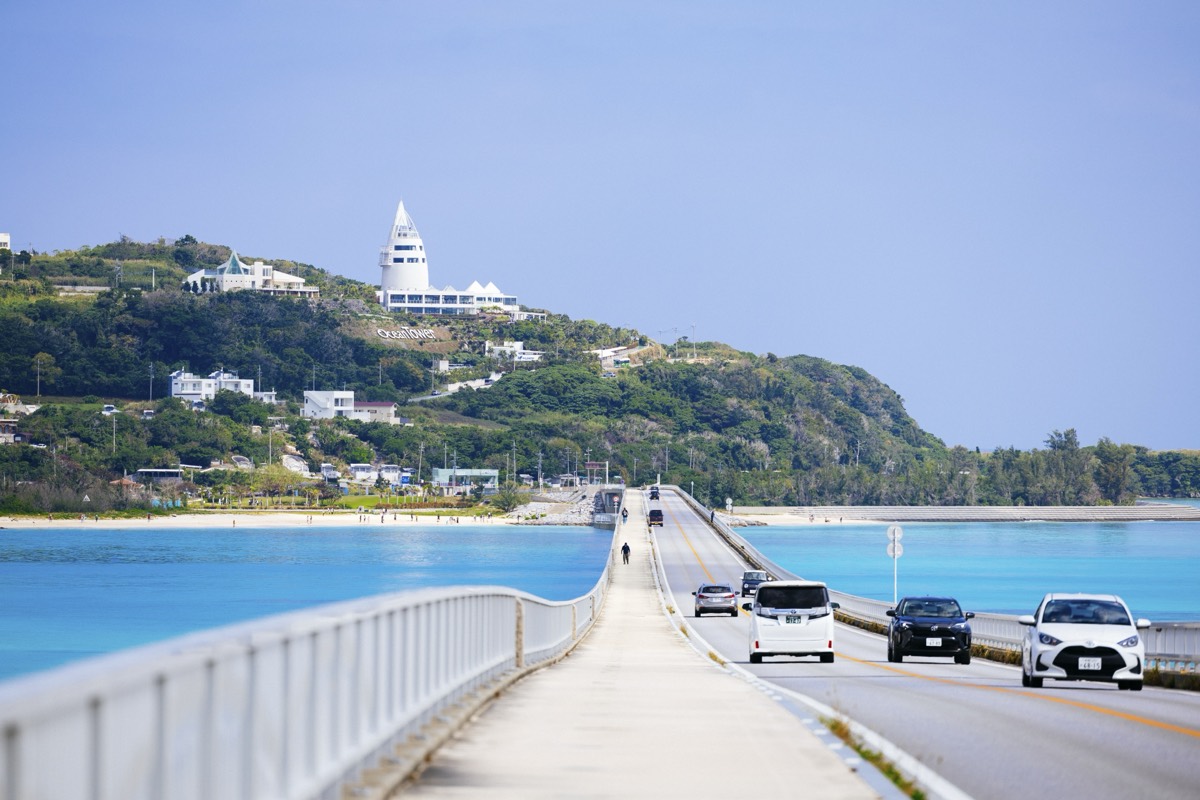
Real prices, checked in person. Photos taken on site. Published from Yomitan Village, where we live, an hour from most of what you came to see.
Okinawa Lovers is a travel guide to Okinawa, published from Yomitan Village on the main island. We go to the places we write about, take the photographs ourselves, and print the prices we actually paid, with the date we checked them. When an official source contradicts an older guide, including our own Japanese edition, we follow the official source and say so at the foot of the page.
The cheapest, most local way to see Okinawa. Twenty complete guides: opening hours, real prices, bus stops and how to string them into a drive.
The aquarium is the reason most people drive north, and the ticket you buy at the gate is not the cheapest one available.
Whether to rent a car, what the cheap rental companies really cost you, and how to move around if you decide not to drive.
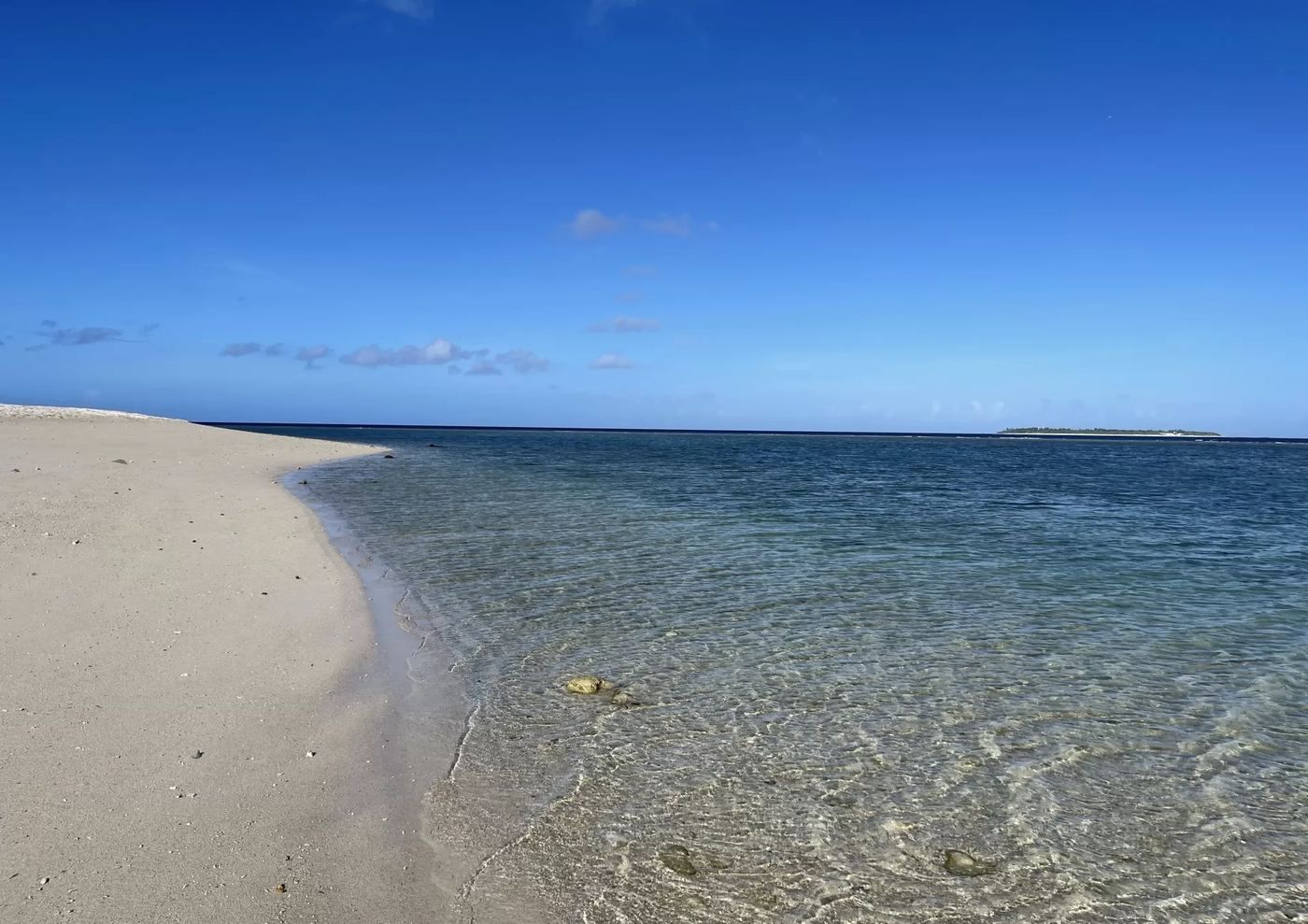
March is the second busiest month of the year, above July. Arrival data and thirty-year weather normals, month by month.
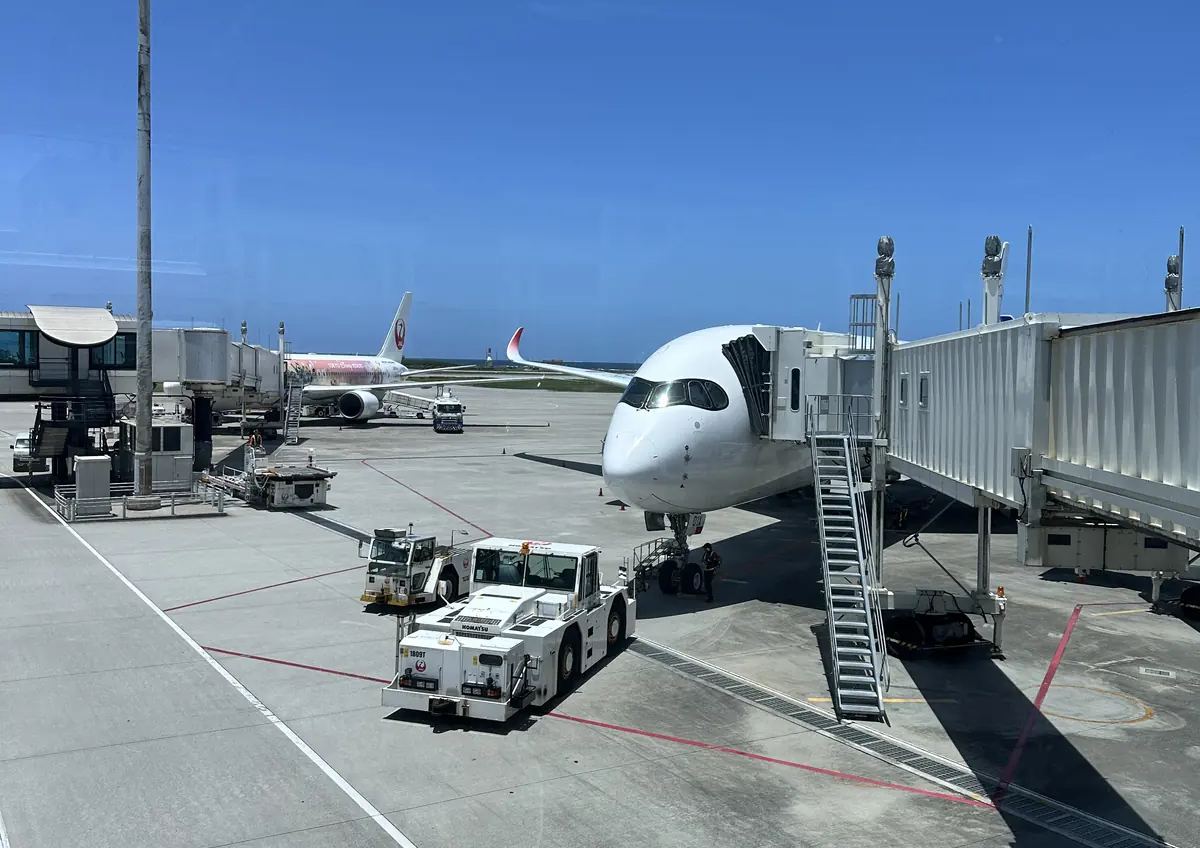
Naha Airport has no rental counters in the terminal. And the waiver everyone buys does not cover the NOC.
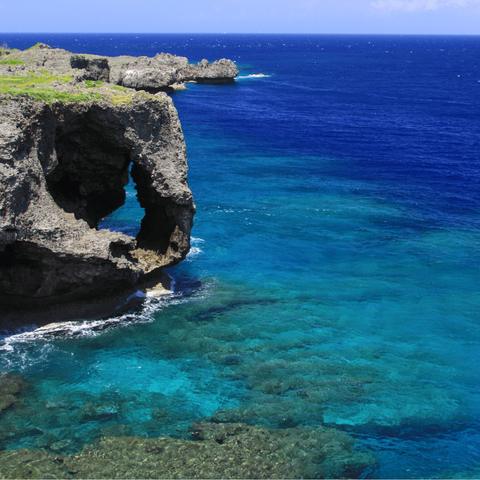
Three or four in a day is the honest limit. Grouped by area, with the seven that need a boat kept separate.
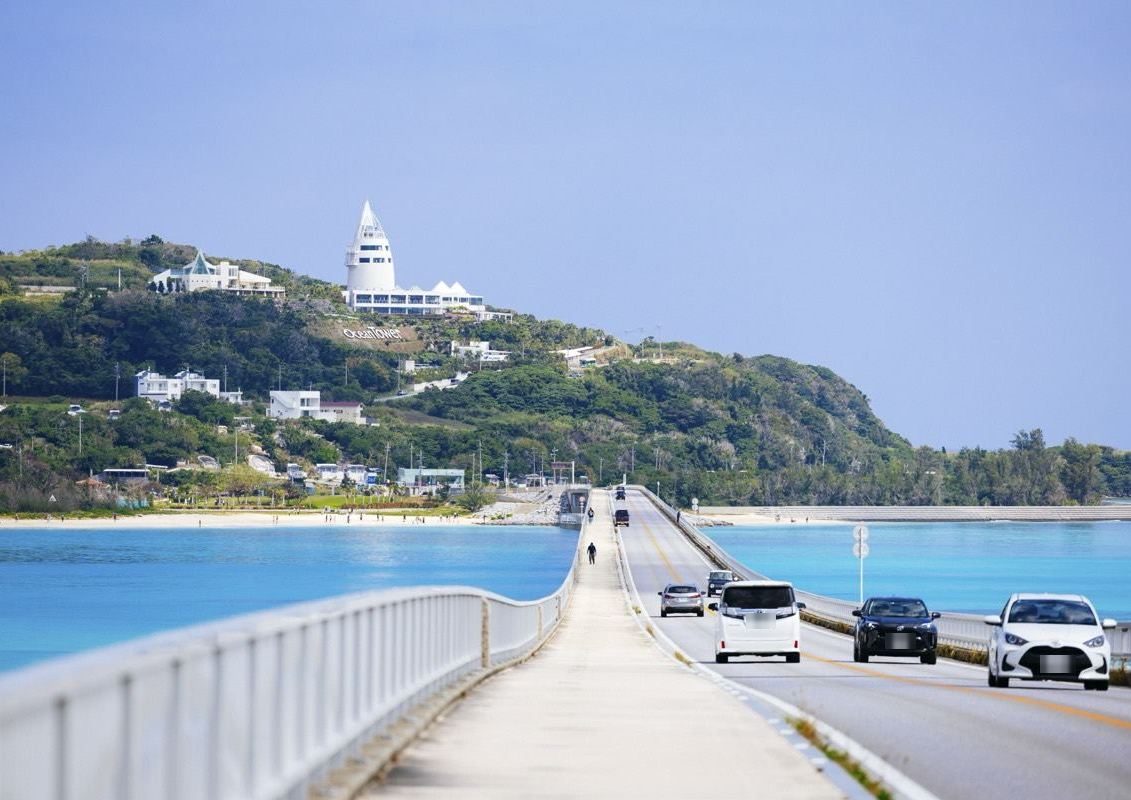
Only the middle day is a whole day. The first three hours go to arrival and the car hire desk.
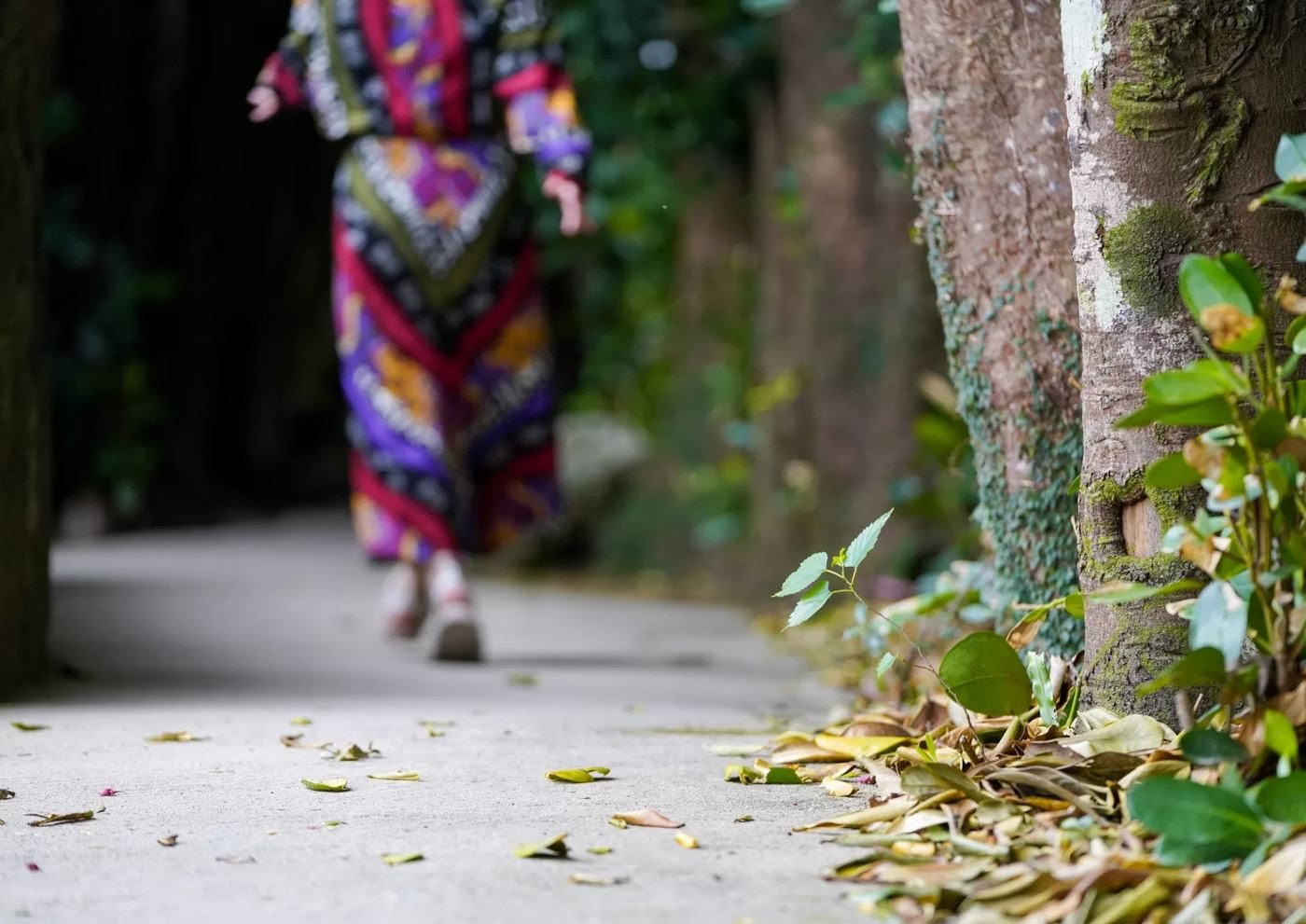
A storm warning stops the island. The monorail halts at 25 m/s and the shops close with it.
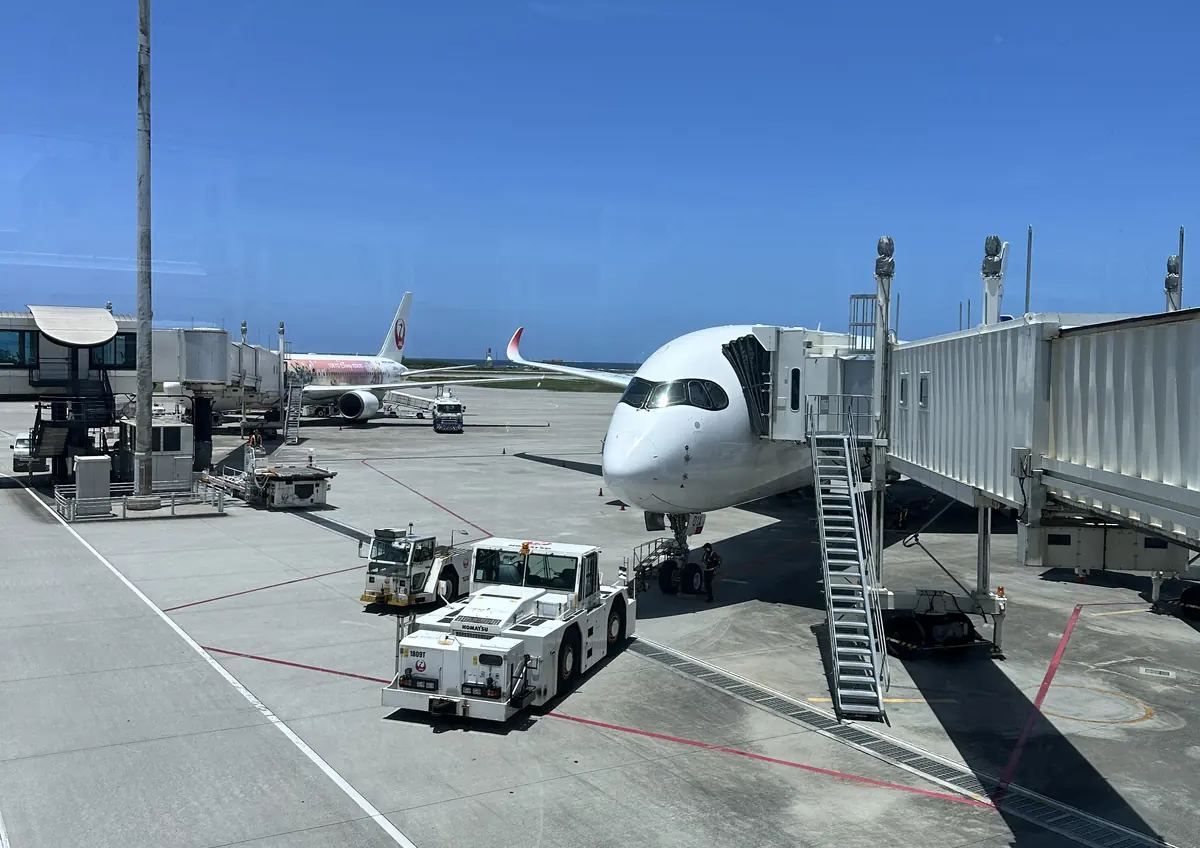
Cheap is not when the island is quiet. It is when seats go unsold, and that is April to June.
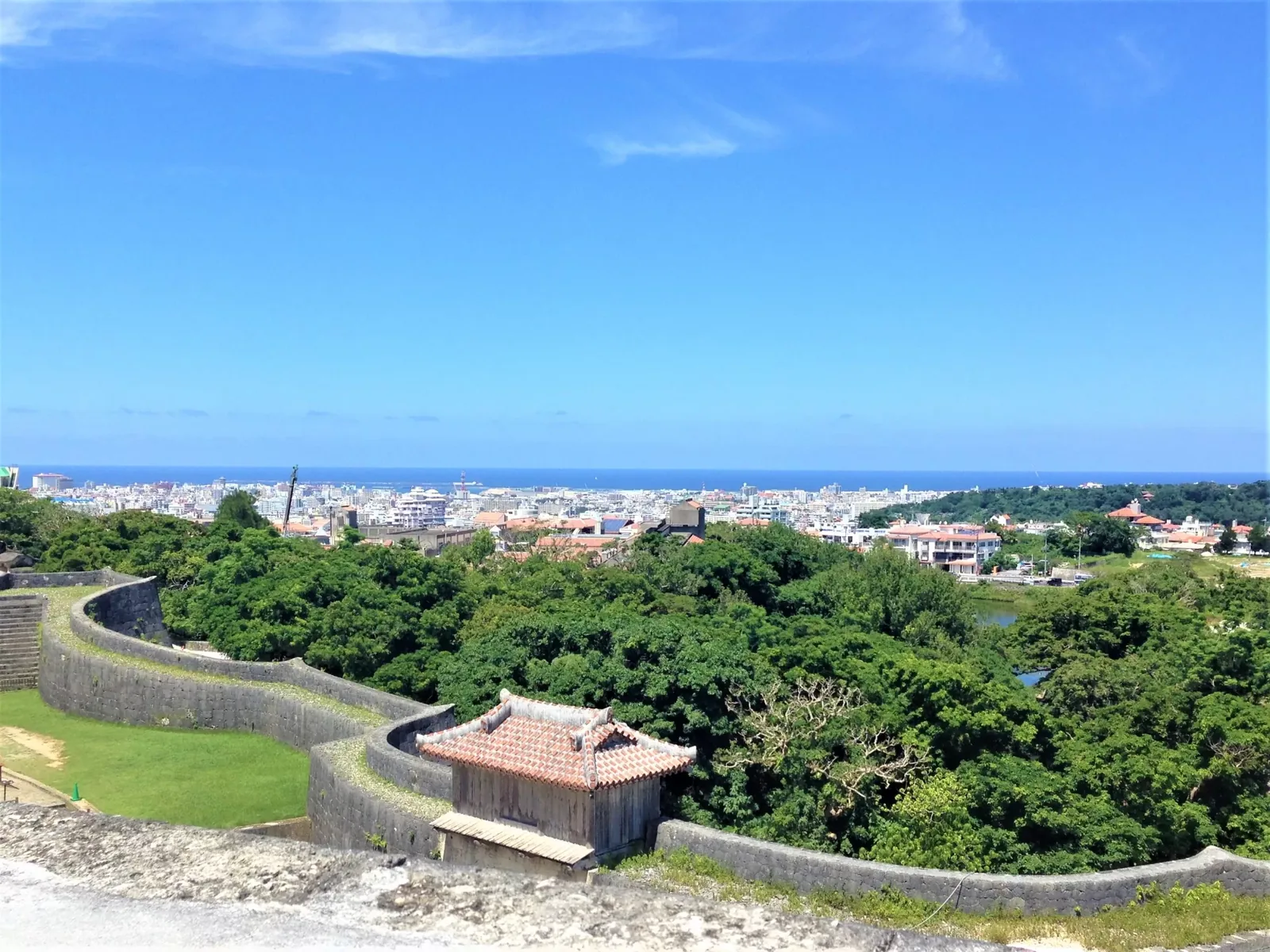
Shuri Castle's main hall opens 23 November 2026, and admission goes from ¥400 to ¥1,000 the same day.
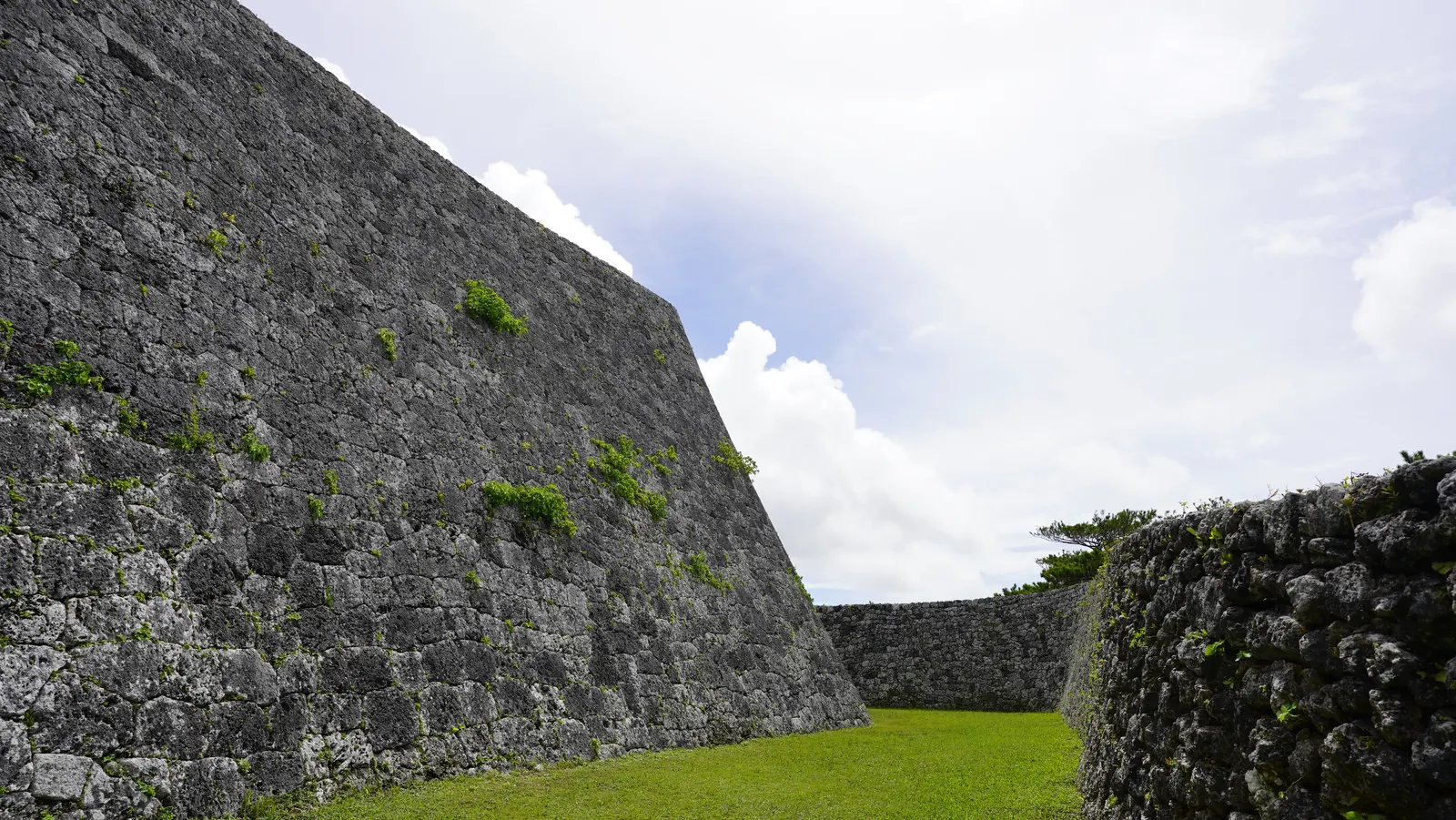
A World Heritage site with no ticket office, and walls you are allowed to walk on.
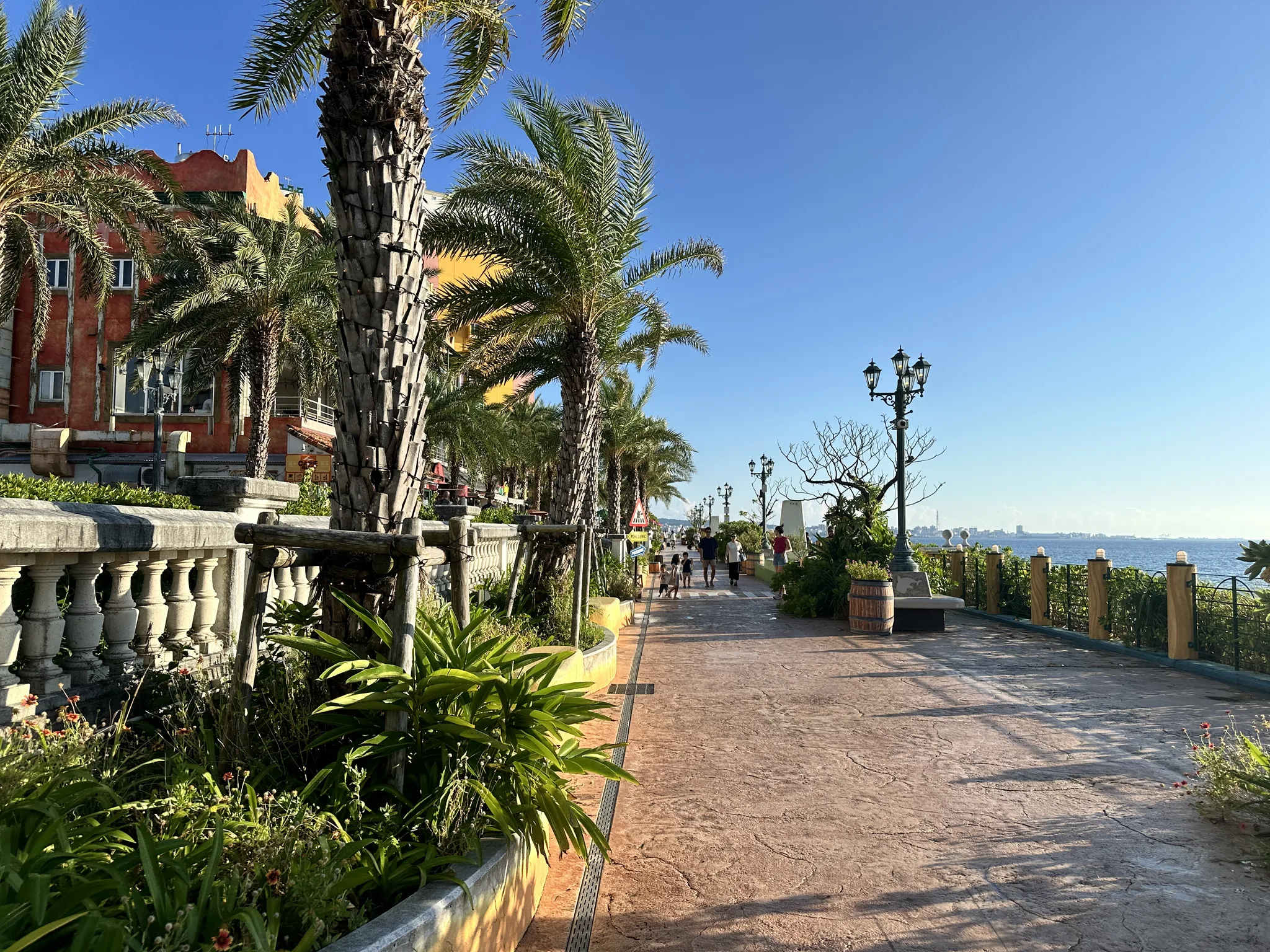
The free Mihama shuttle ended in March 2026. Here is what actually gets you there.
Michi-no-eki are where Okinawa actually shops. Each one is run by its own town, so it sells that town's harvest and cooks its own speciality, which makes hopping between them a tour of the island's regions rather than a tour of rest areas. Parking, restrooms and entry are free at all of them.
Ten of the twenty below are roadside stations registered with the national ministry. The other ten are farm markets, one sea station and a drive-in. Locals use them the same way, and we label which is which on every page.
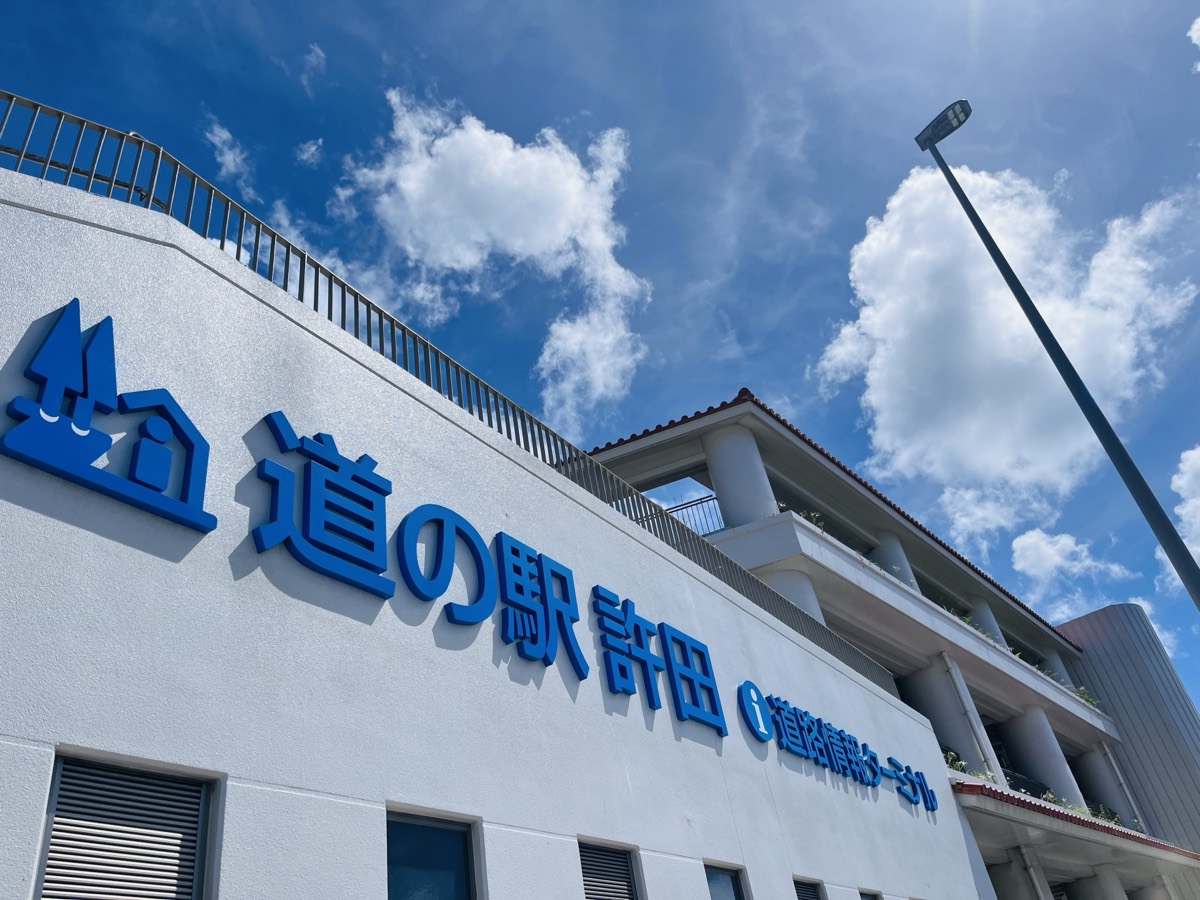
Okinawa's first station, and discount attraction tickets from 8:30.
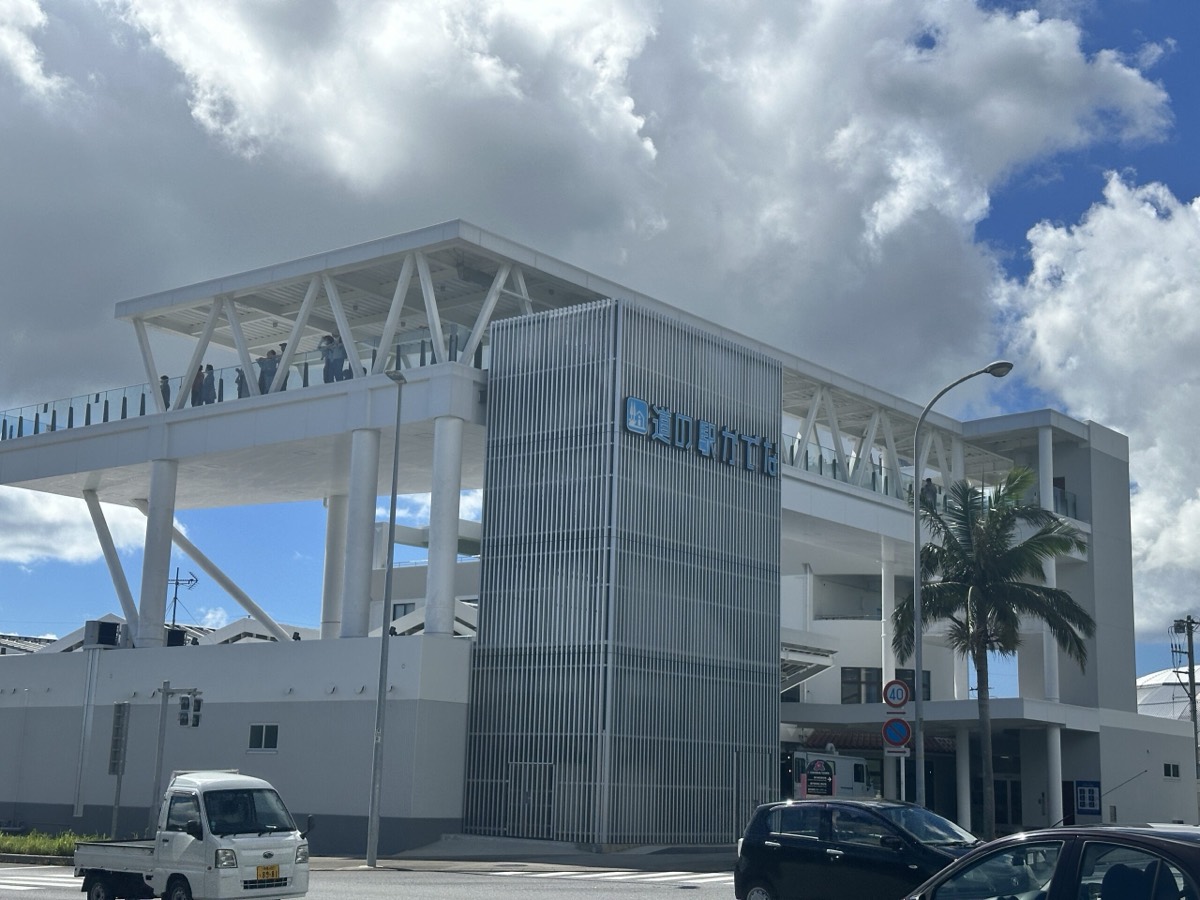
A free deck over the air base, and an award-winning exhibit.
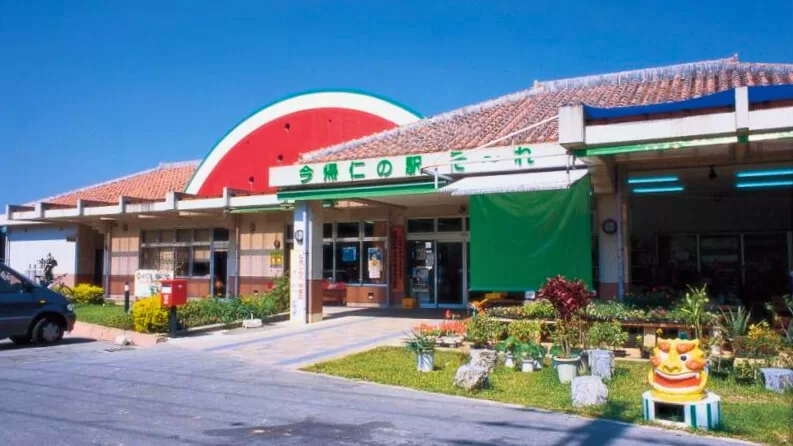
A farm market run by the village women who founded it.
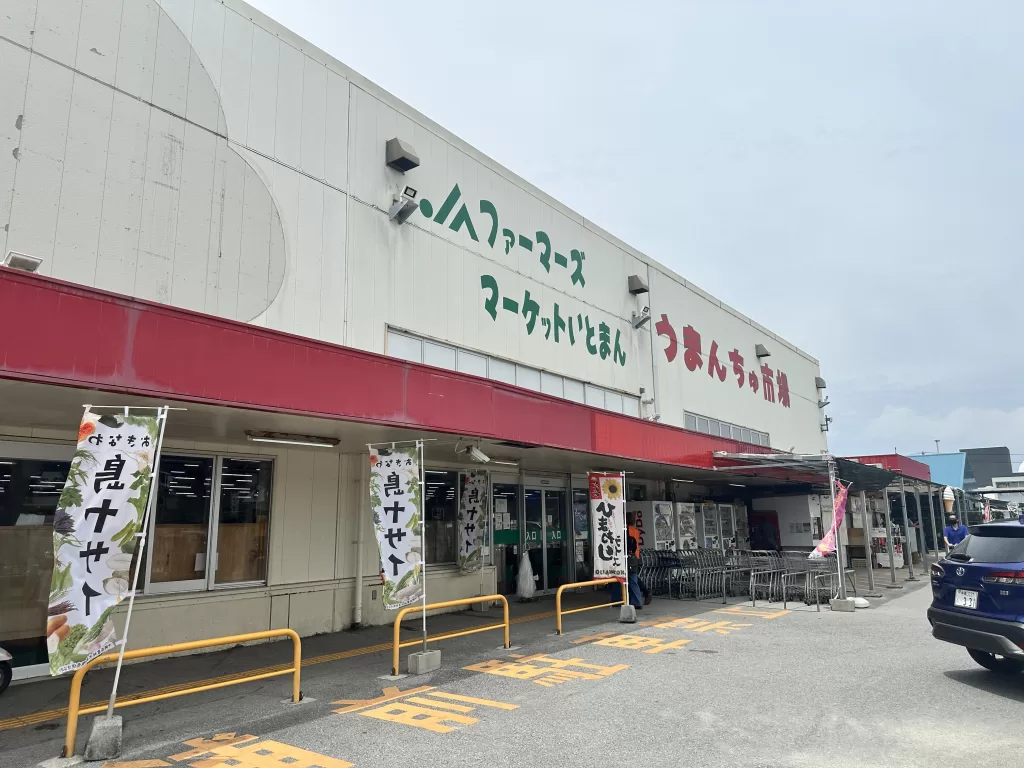
Japan's southernmost station, and a co-op fish counter.
Where the sky bridge lands, with showers for after the beach.
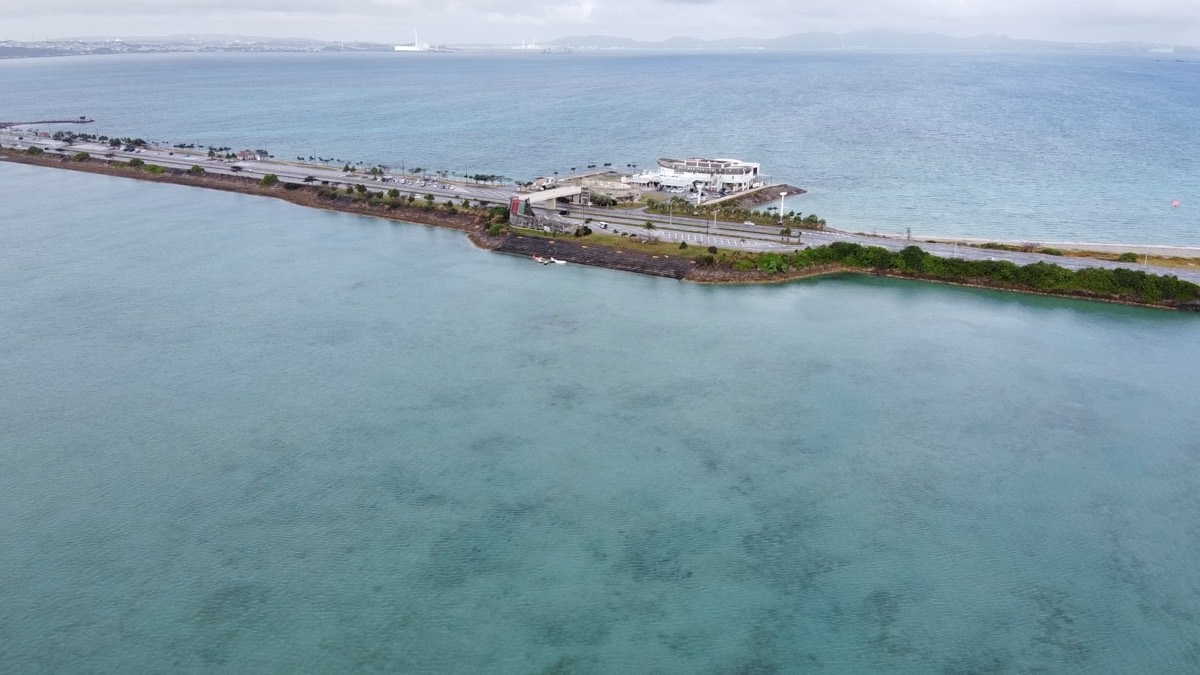
The sea station standing in the middle of the causeway.
On 1 November 2026 Japan stops taking the tax off at the till. You will pay the full price in the shop and be refunded only after customs confirms you are leaving the country. The sealed bag that currently stops you opening food bought tax free disappears on the same day. Nearly everything Okinawa sells as a souvenir sits in that sealed-bag category, so this island gains more from the change than anywhere else in Japan.
The rest of the series is about where people here actually buy things, what a box of sweets costs per person, and which of the two big malls is worth an afternoon.
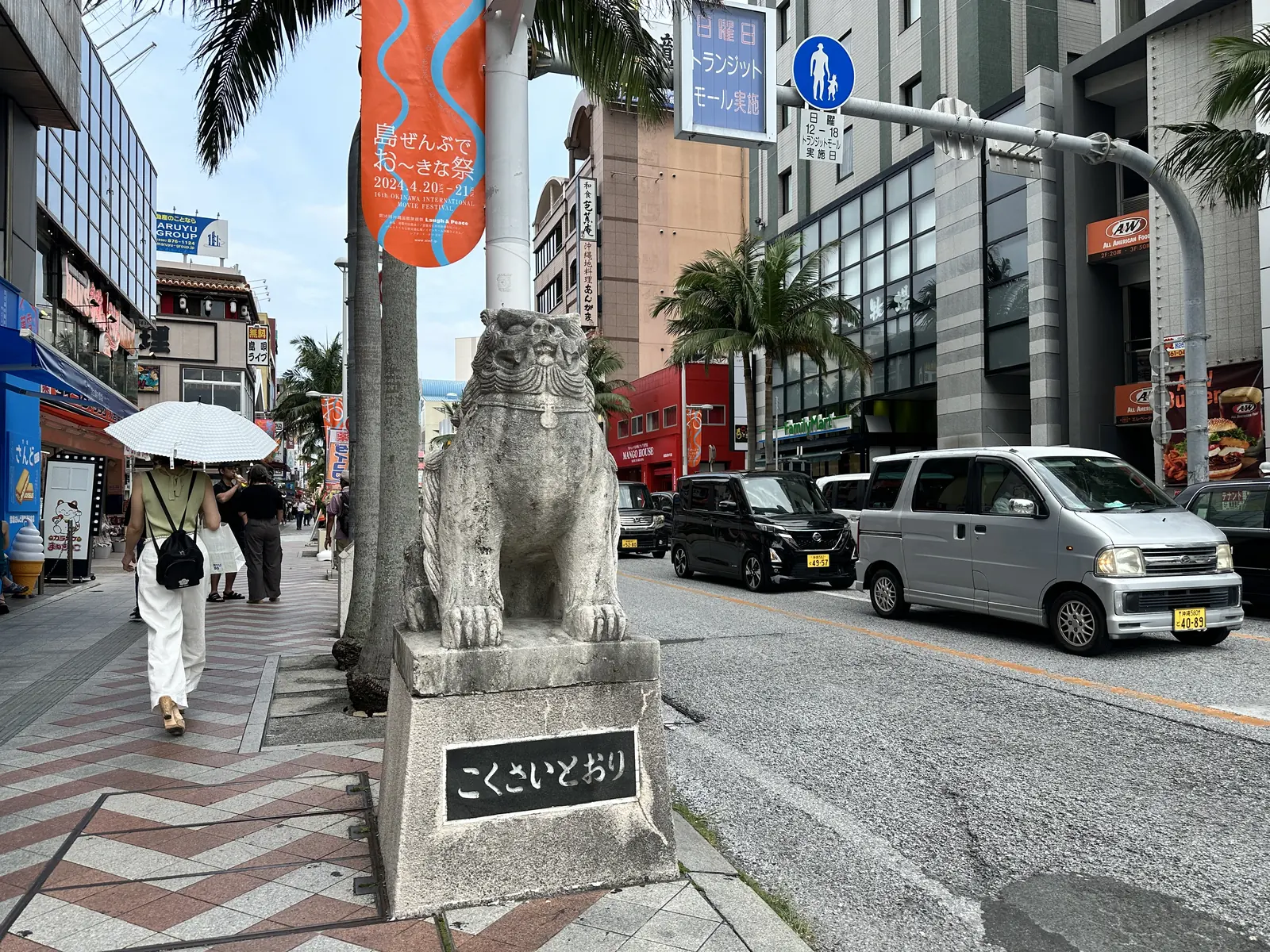
Pay the tax first and get it back after you fly. The sealed bag on food and cosmetics ends the same day.
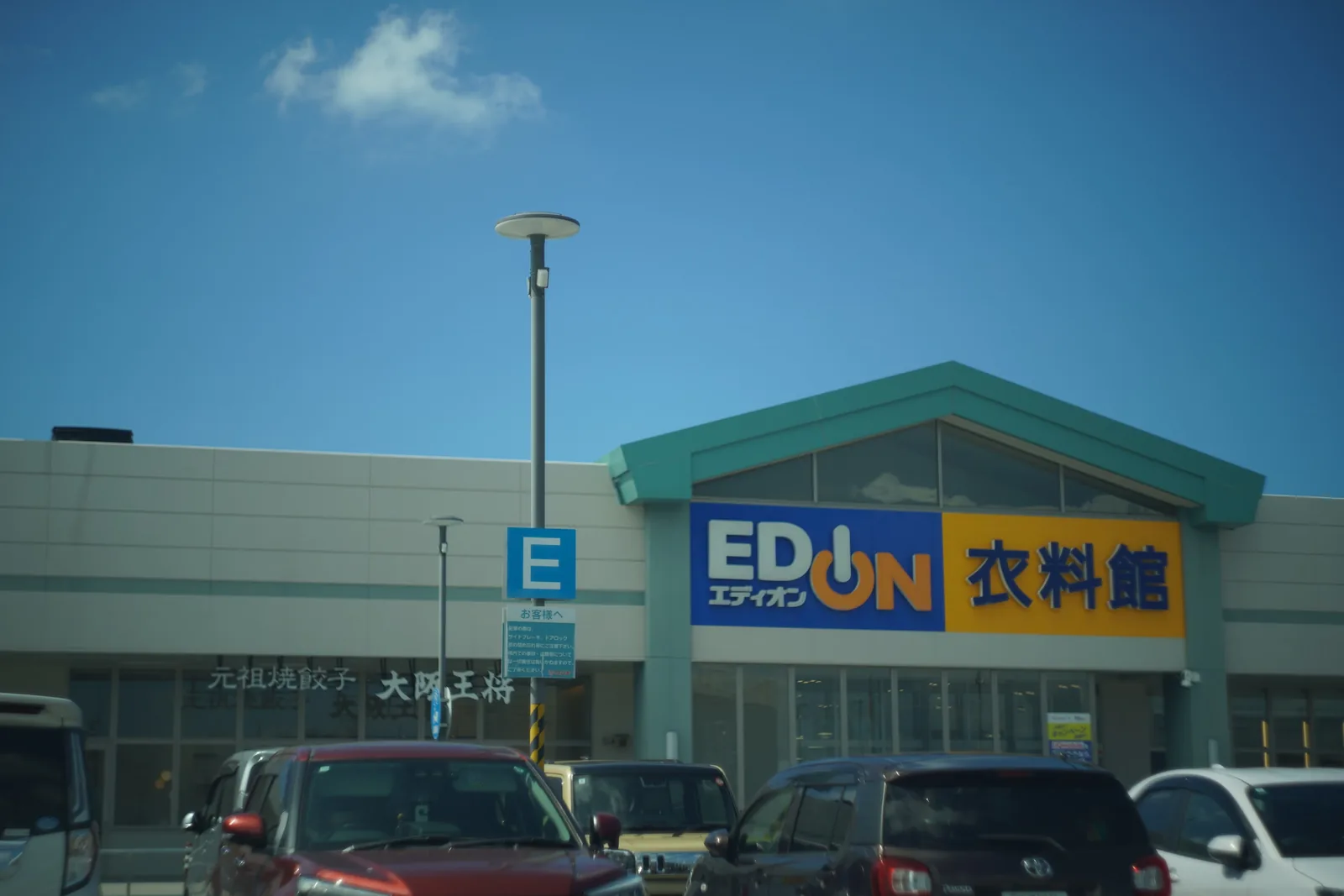
"San-A" describes four different sizes of shop. The one visitors get sent to is the least interesting of them.
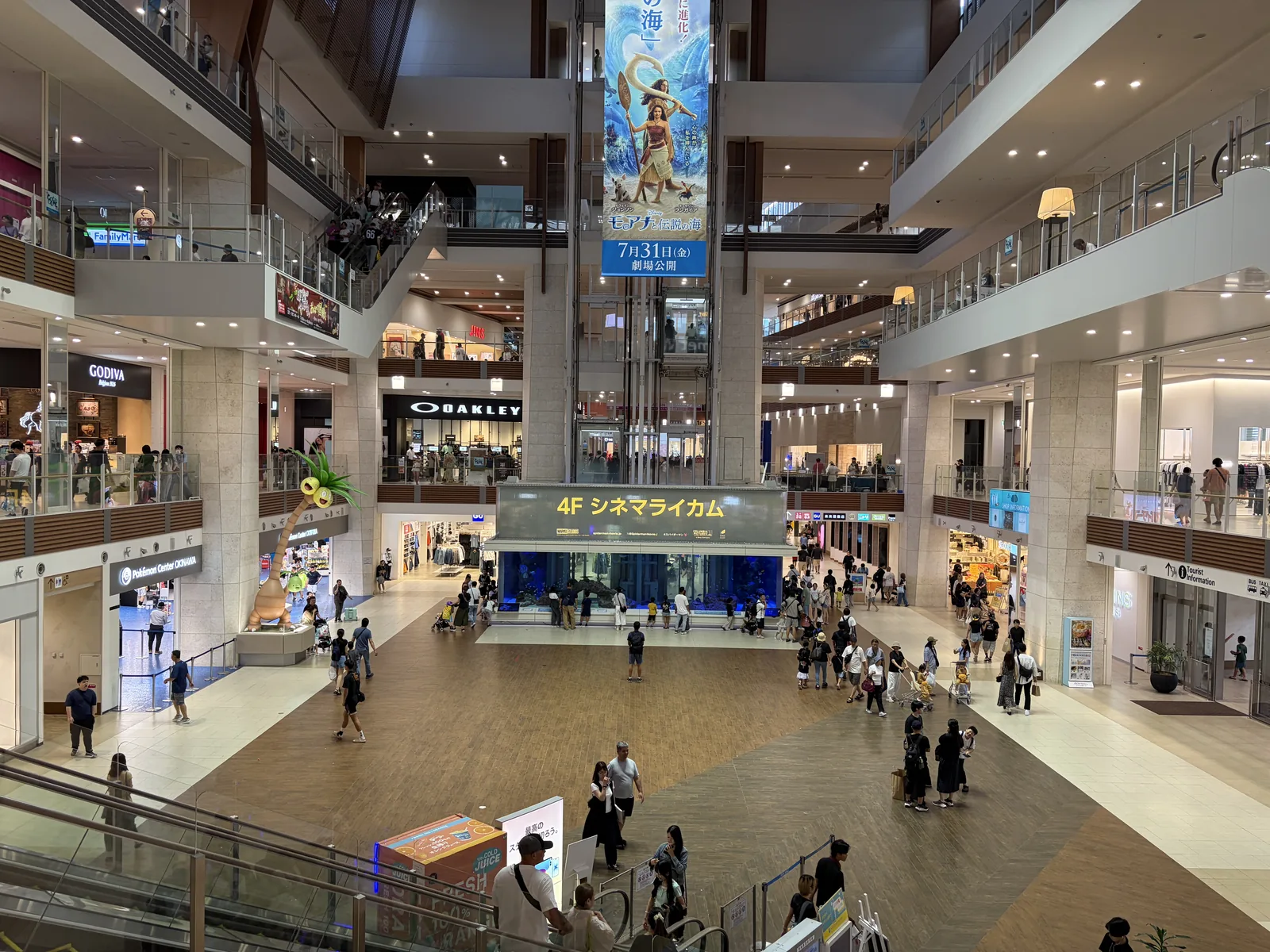
8:00, 9:00 and 10:00. Arrive at nine and you get a supermarket, not a shopping centre.
Written from Yomitan Village on the main island, not from a desk overseas. The drives we describe are drives we make.
Where a fact comes from an official page, we say so at the foot of the article, so you can verify it yourself rather than take our word for it.
Prices move. We print what we paid and when we checked it, so you can tell how stale a number is.
Where an official source contradicts our Japanese edition, we follow the official source and list the correction at the foot of the page.
A michi-no-eki, or roadside station, is a rest stop registered with Japan's Ministry of Land, Infrastructure, Transport and Tourism. Each is run by its own municipality, so it sells that town's harvest and cooks that town's speciality. Parking, restrooms and entry are free. Okinawa's main island has ten registered roadside stations; alongside them sit farm markets, one sea station and a drive-in that work the same way but are not registered.
Ten places on the main island are nationally registered roadside stations: Kyoda, Ogimi, Yui-Yui Kunigami, Kadena, Kina Banjo, Toyosaki, Itoman, Ginoza, Sunrise Higashi and Yanbaru Pineapple Hill Aha. We cover those ten plus ten farm markets, sea stations and drive-ins that locals use the same way, for twenty guides in total.
A car makes the north far easier, but it is not the only option. Naha and the southern towns are reachable on the Yui Rail monorail and city buses, and a number of stations have a bus stop directly outside. Every station guide lists the routes and stop names that actually serve it, so you can tell in advance which places work without driving.
Okinawa Lovers is published from Yomitan Village on Okinawa's main island. We visit the places we write about, photograph them ourselves, and record prices with the date we checked them. Where an official source contradicts an older guide, including our own Japanese edition, we follow the official source and say so at the foot of the article.
Yes. okinawa.bio is the Japanese edition and the larger of the two, with Traditional Chinese and Korean editions alongside it. The English roadside station guides are newly written rather than translated, and several correct errors that still stand in the older Japanese pages.