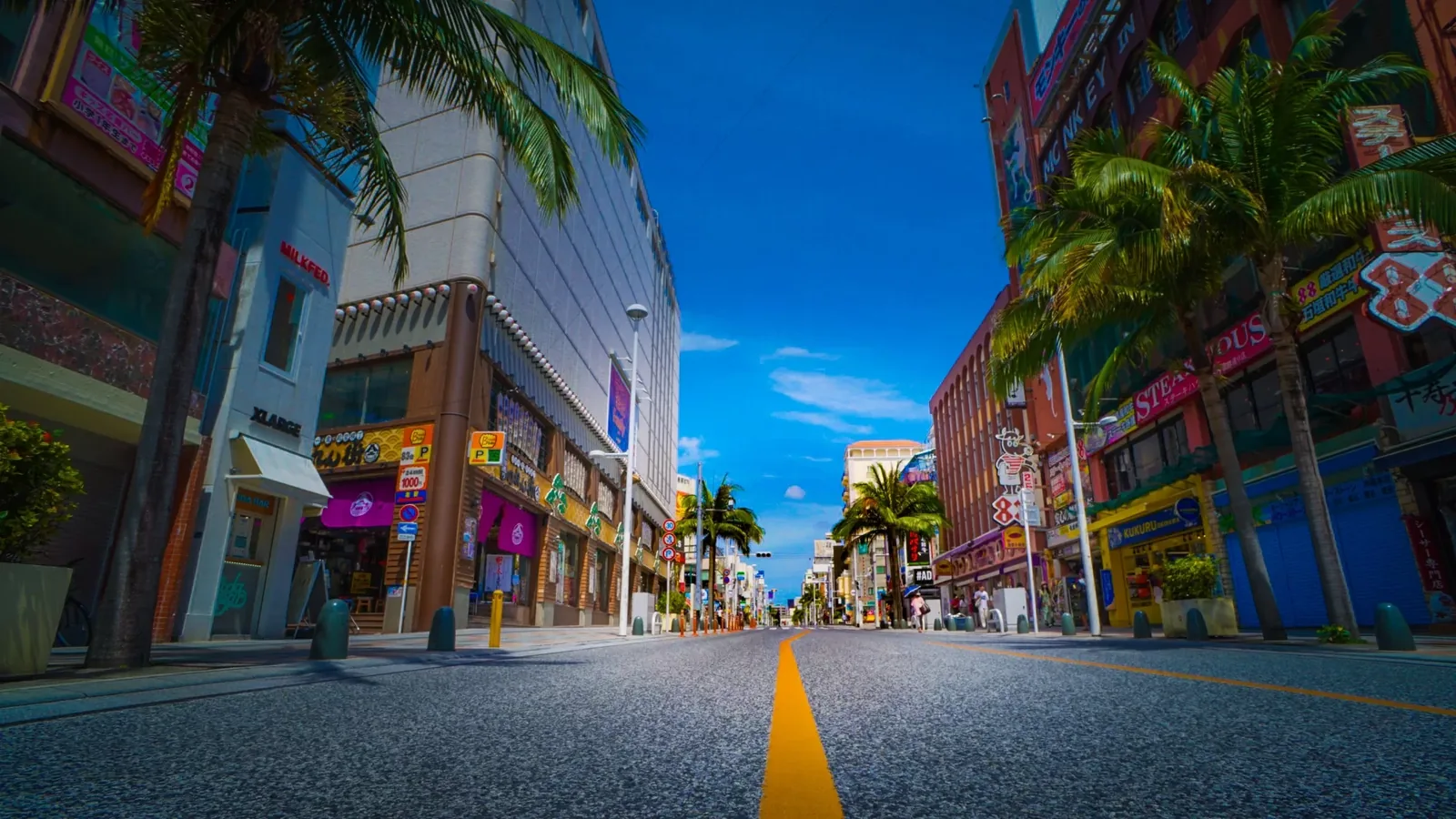
Okinawan shopping has four layers — the malls, the town supermarkets, the farm markets and the machigwa. Visitors only get shown the top one.
Every guide sends you to the same two malls. This series works downwards from there.
The malls are real and we cover both — one has an aquarium in the atrium, the other has the sea in the food-hall window. But they are the top rung of a ladder, and each step down is less convenient, cheaper, and more specific to this island: the supermarket in the middle of a town, the farm market run by a village, and at the bottom the machigwa — the market streets that grew out of the post-war years, still run by their owners.
Everything here follows the same rules as the rest of this site: prices from the makers' and operators' own pages, a date on every check, and when something is unconfirmed we say so instead of guessing.
Japan stops deducting consumption tax at the counter. From that day you pay the full price in the shop and are refunded only after customs confirms, at your departure airport, that the goods are leaving the country.
The same reform abolishes the sealed bag on food and cosmetics — and nearly everything Okinawa sells as a souvenir sits in that category. This island gains more from the change than anywhere else in Japan, which is why the guide to it leads the series.
Two of them, 30 minutes apart, and most trips have time for one. Rycom is the biggest floor in the prefecture and opens in three stages; PARCO CITY is second, fifteen minutes from the airport, with a food hall that faces the sea. We compare them directly so you can pick.
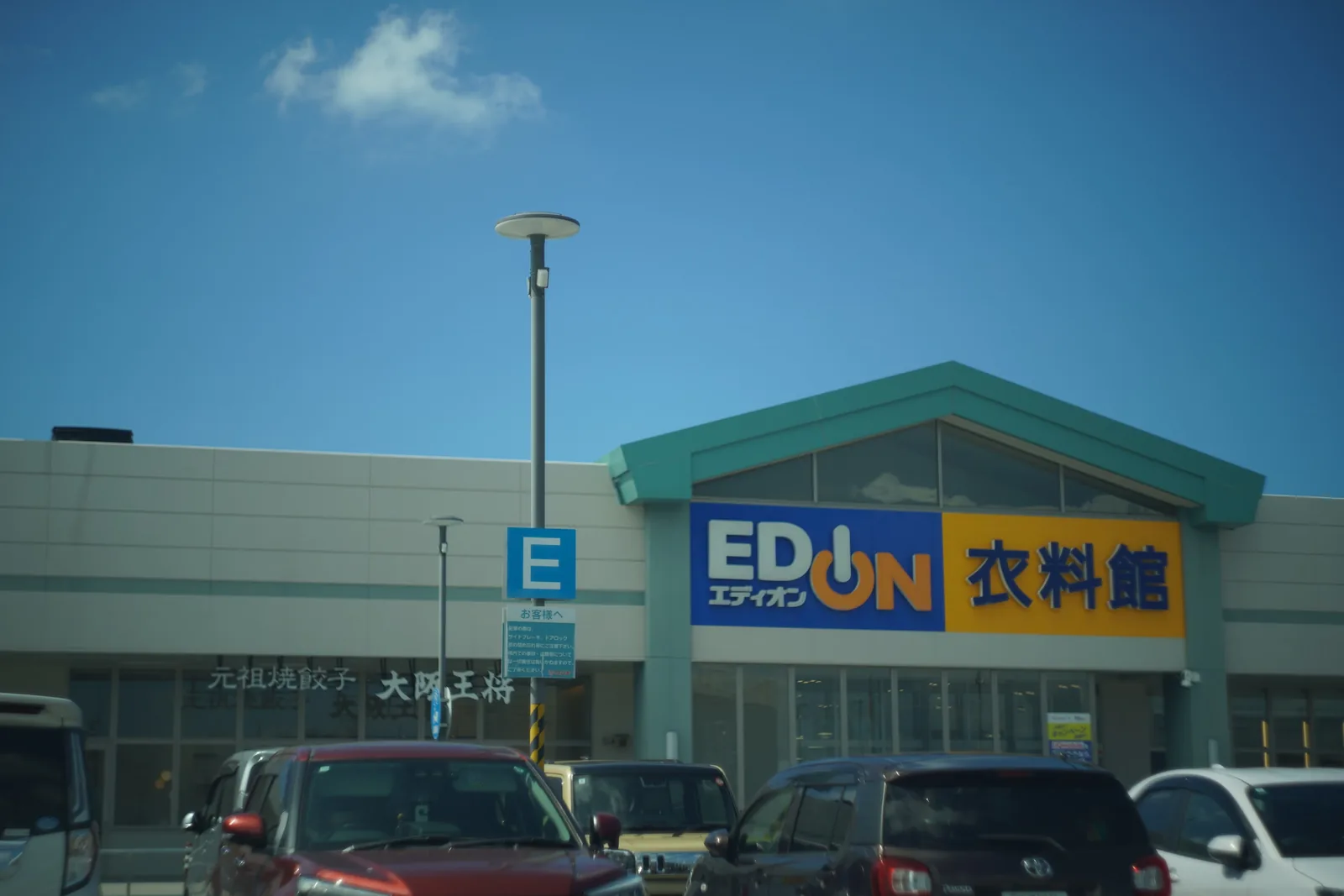
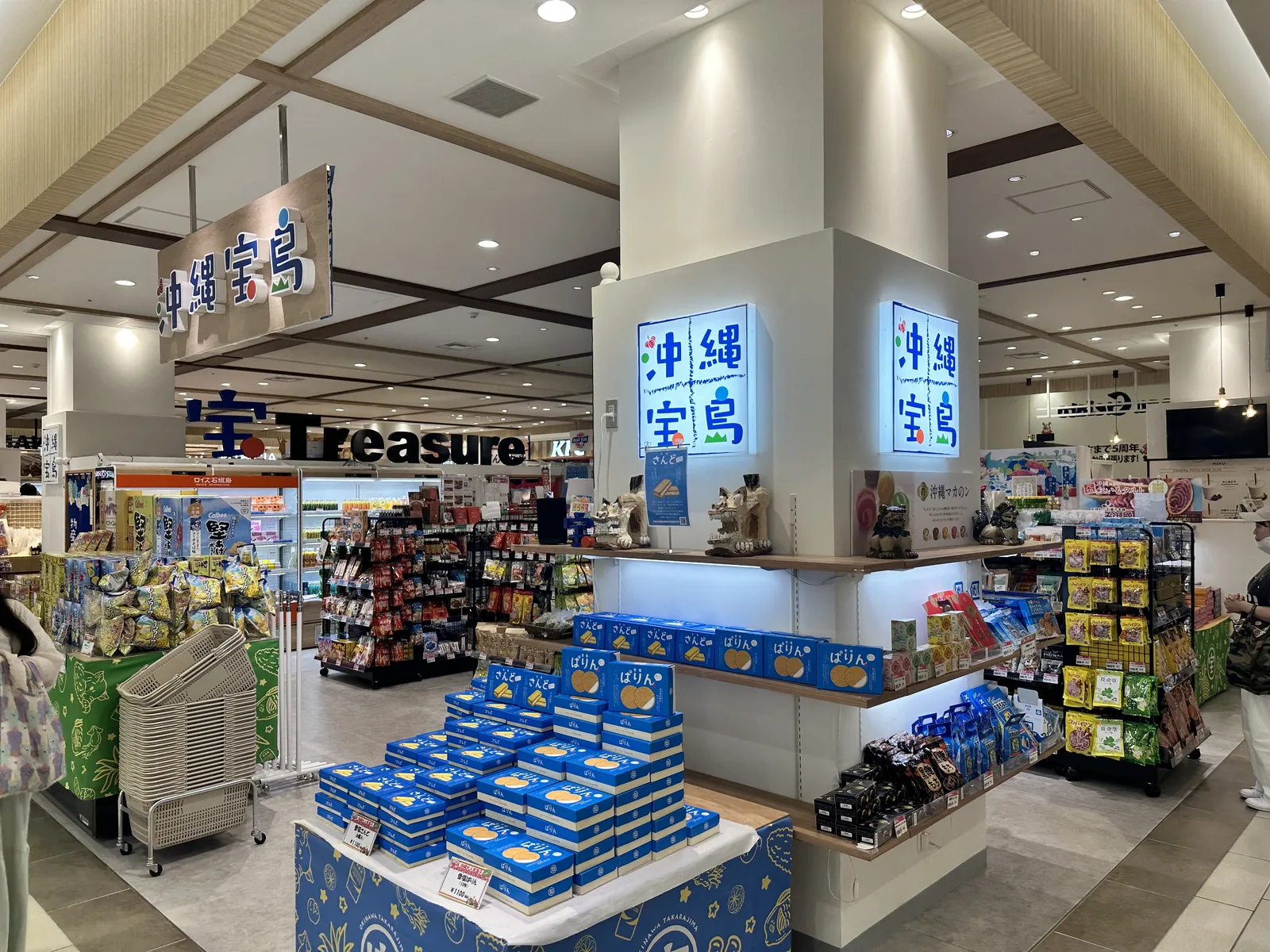
The rung worth walking into. "San-A" and "AEON" each describe four sizes of building, and the ordinary one in the middle of a town is where the island actually shops — tinned pork, sea grapes, awamori, at prices nobody set for tourists.
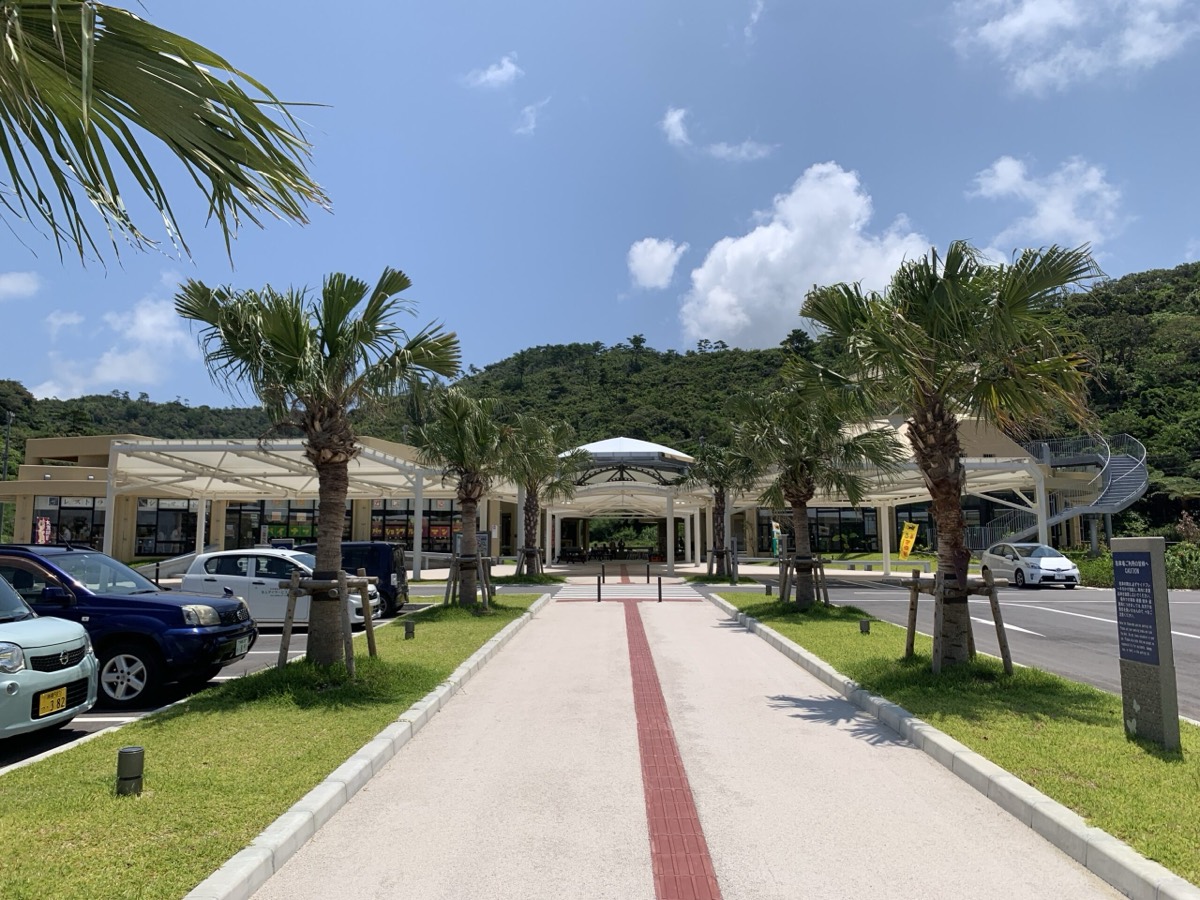
Roadside stations and direct-sale halls, one per town, selling that town's harvest. Cash-first, almost never tax free, and better than any supermarket for fruit. They have their own twenty-part series →
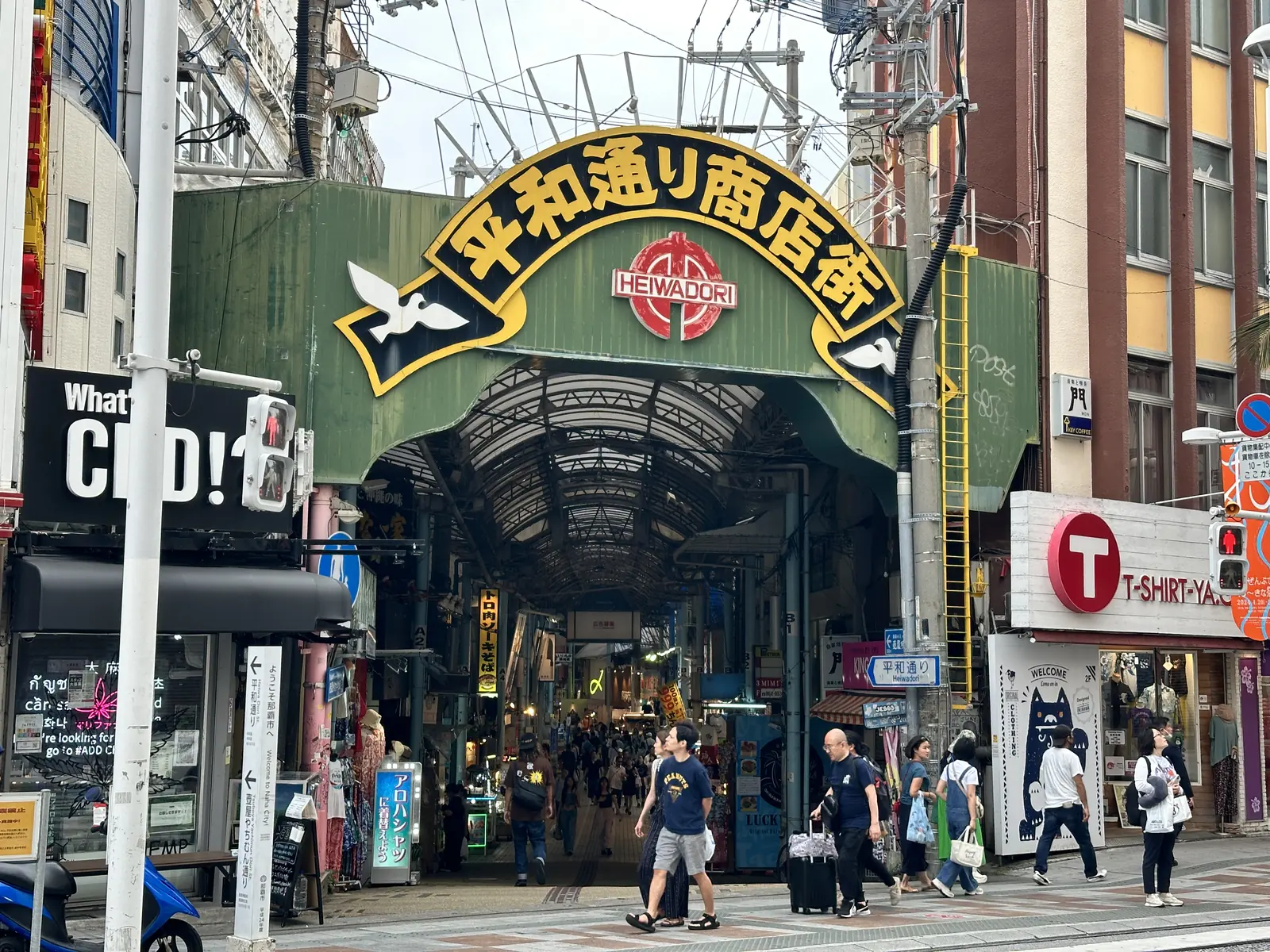
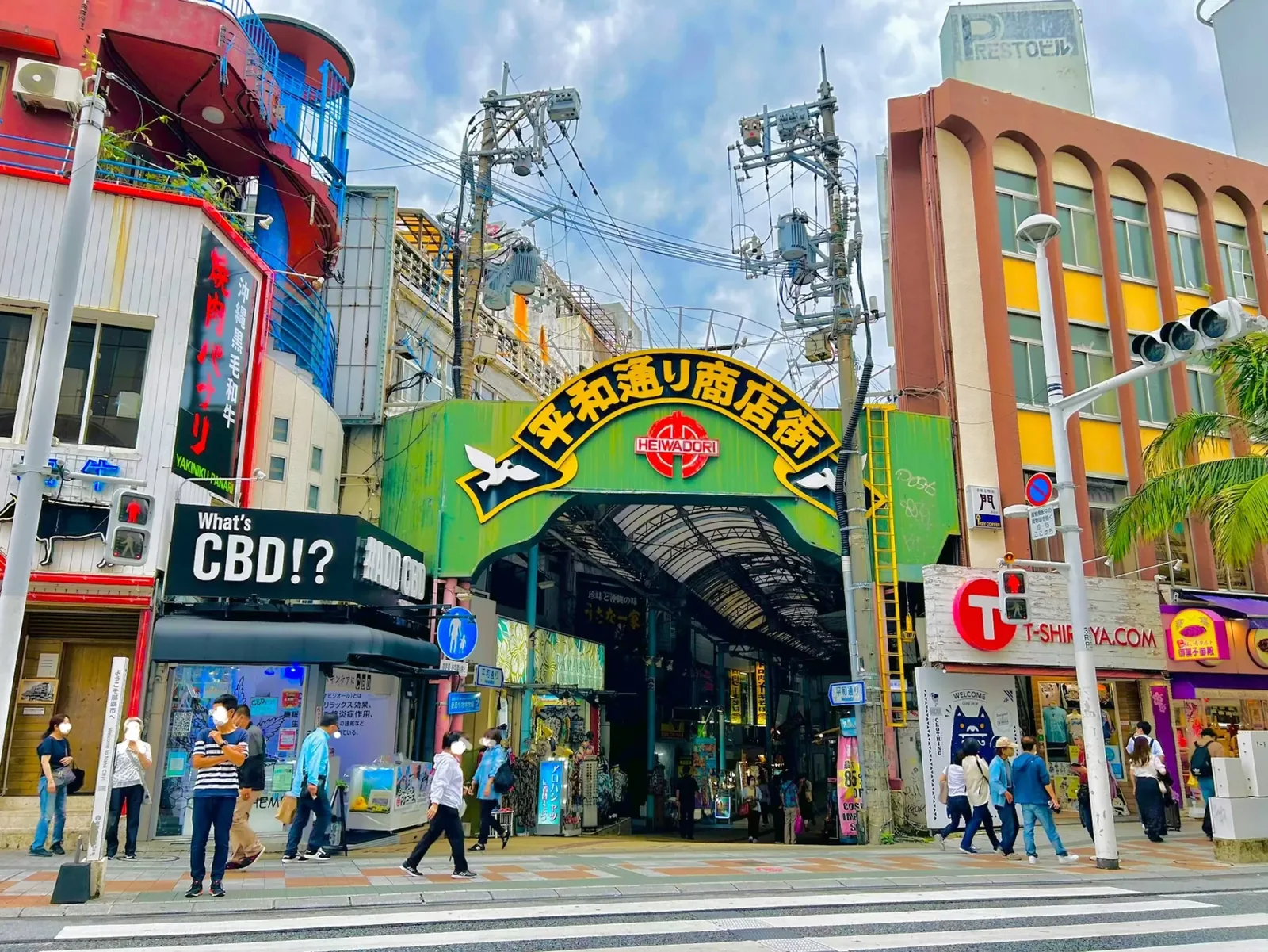
The bottom of the ladder and the deepest layer — market streets like the arcades behind Kokusai-dori, born from the post-war black market, run by their owners, cash only. The mothers' market. Makishi Market and the arcades →
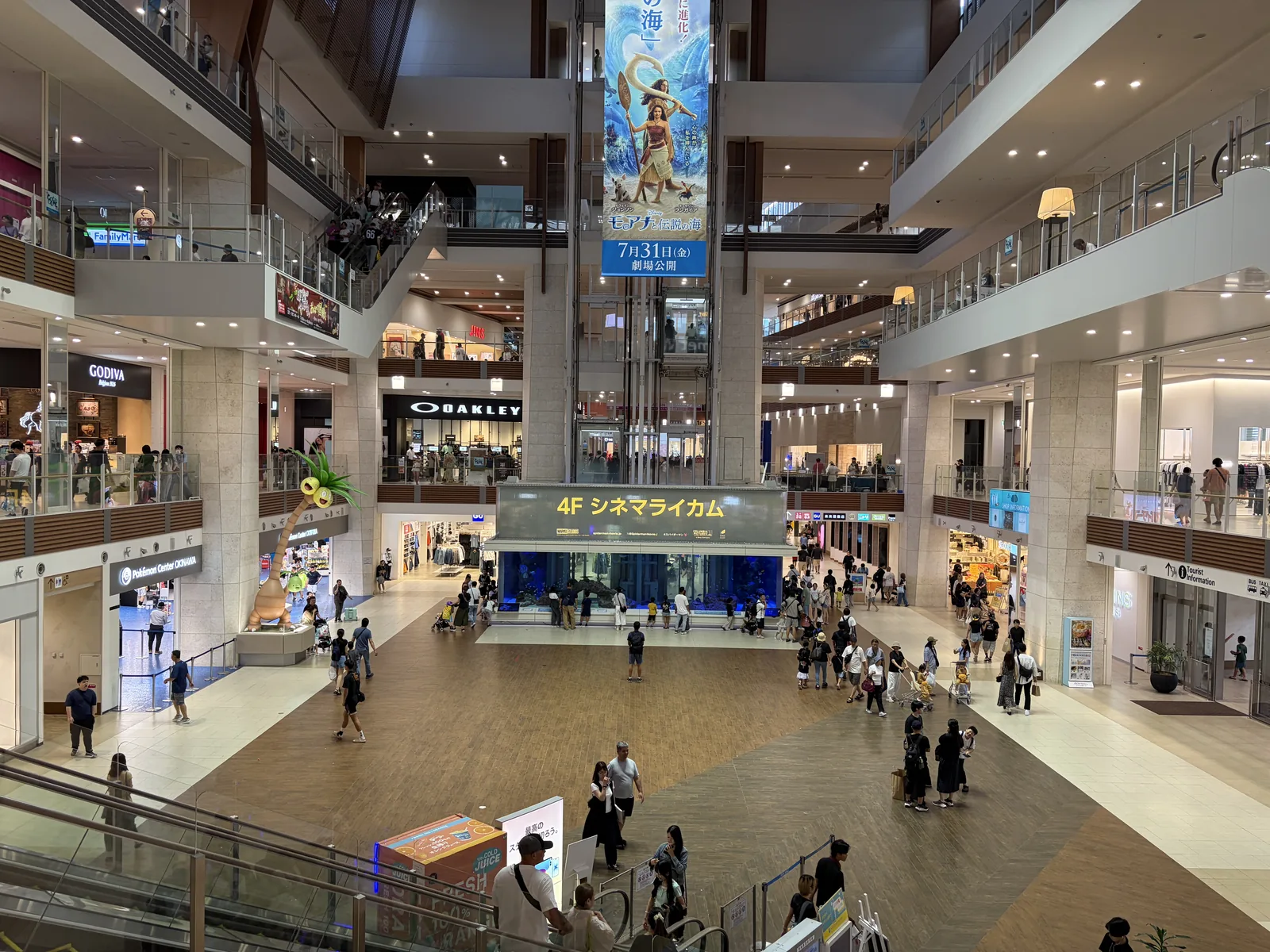
Opens in three stages — 8:00, 9:00, 10:00. Free parking for 4,000 cars, an aquarium, and the only Pokemon Center in Okinawa.
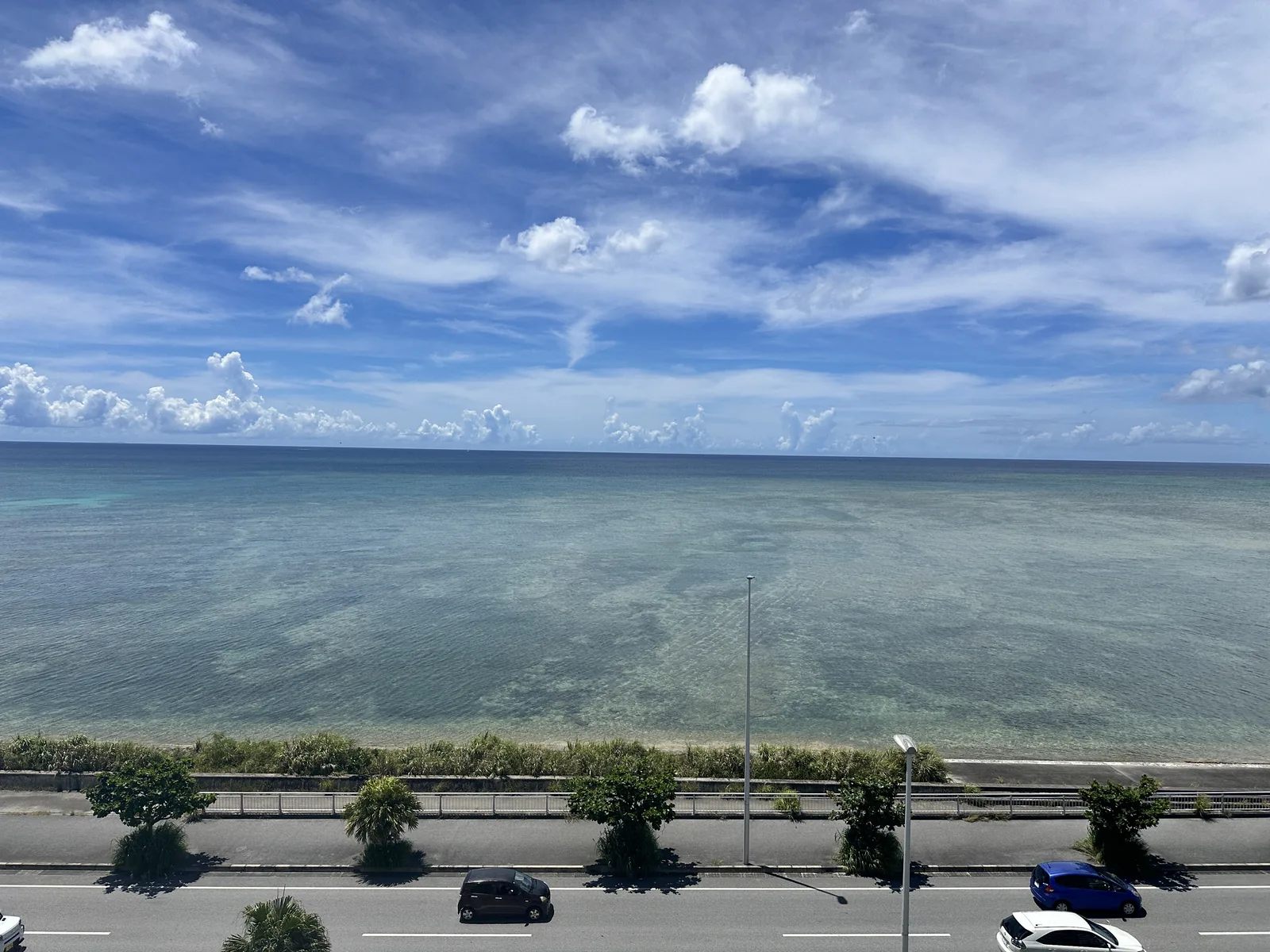
Fifteen minutes from the airport, 250 shops, and the second-floor food hall looks straight out at the sea.
Which chain trades 24 hours, which opens at 7:00, why "Union" no longer always means all-night — and the machigwa below them all.
Miyako's powder salt, sold on Kokusai-dori until 22:00 — no flight to Miyako required. Every official price listed.
Not a lime. Picked green on purpose, pressed in one village — and the bottles cannot fly in your hand luggage.
Omiyage are engineered for distribution. The per-person maths, the shelf lives, and the allergy labels that matter.
Still to come in this series: a price comparison of the same products at the airport, a supermarket, a roadside station and Don Quijote — photographed shelf by shelf — plus guides to Don Quijote itself, the 100-yen shops, paying, and what you can legally fly home. The comparison needs fieldwork, and we would rather do it properly than guess.