From the airport
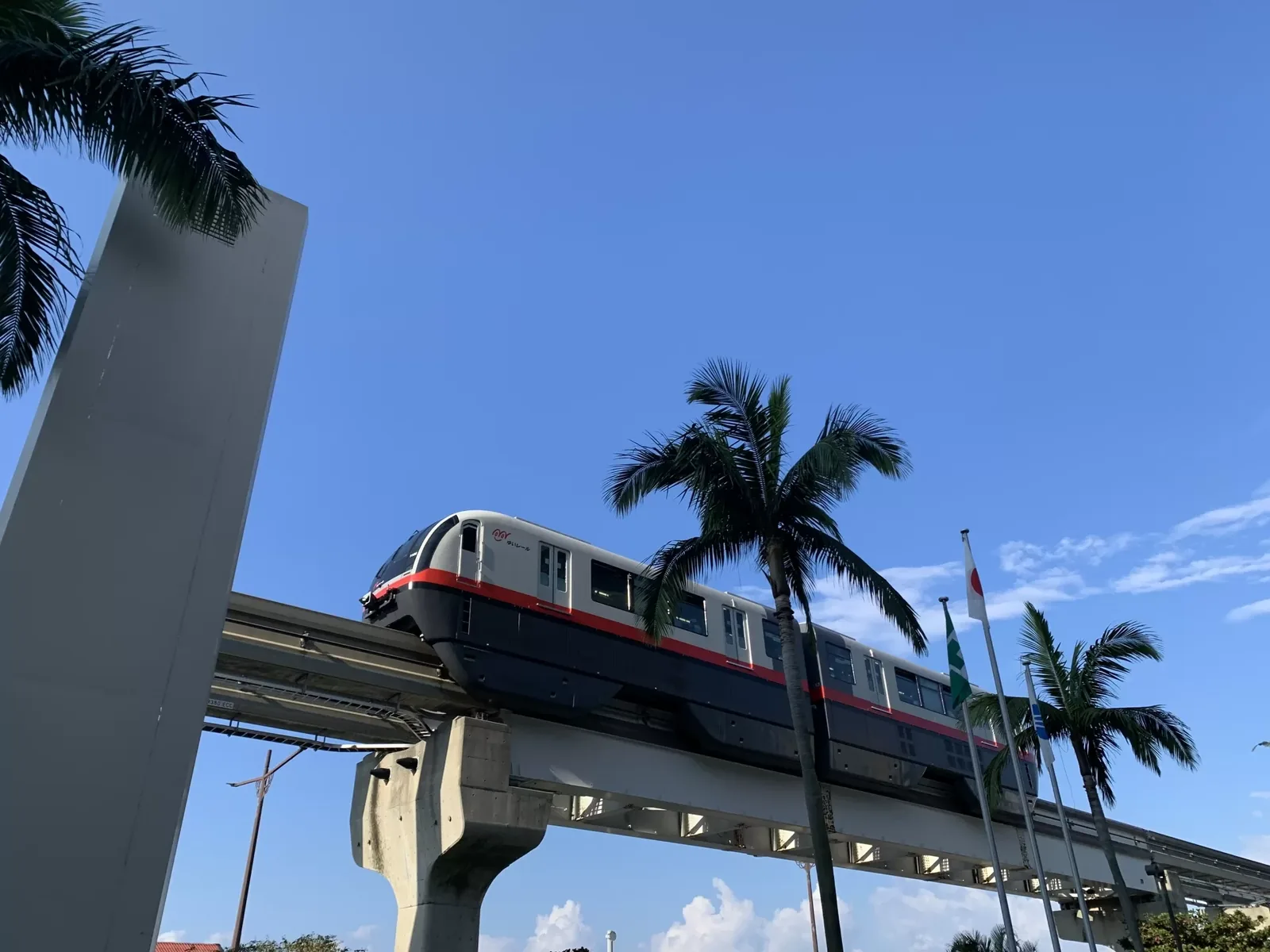
The Yui Rail platform is inside the terminal building. No shuttle, no transfer. Kencho-mae, for Kokusai-dori, is a few stops along the line; Shuri is at the far end.
Single fares run roughly ¥230–¥390 depending on distance.
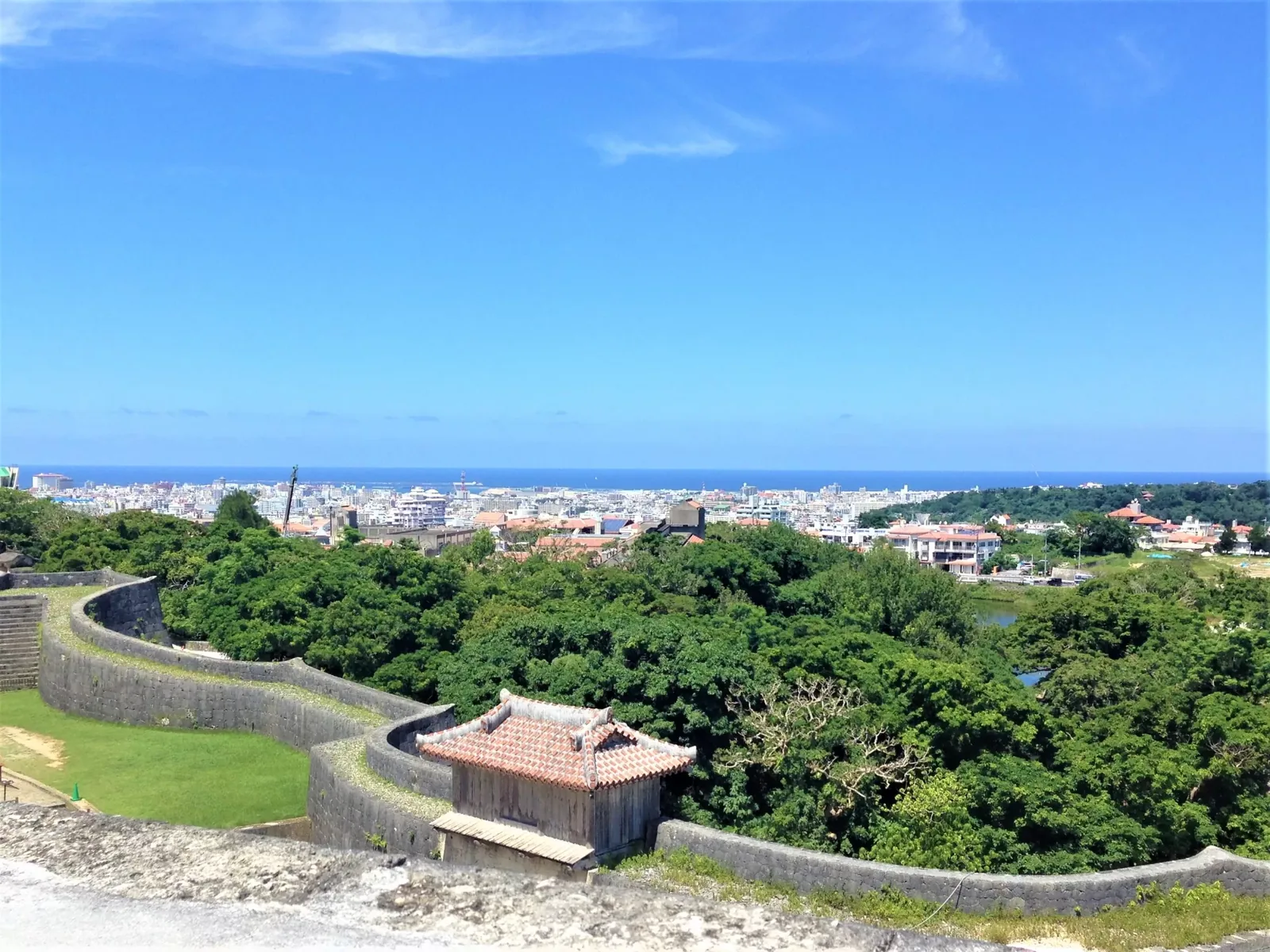
The airport, the shopping mile, the rebuilt market, and a castle that has been a building site since 2019. On 23 November that ends, and the price goes up by 150 percent.
Naha is the one part of Okinawa you can see without a car. The airport is on the monorail line, and so is the shopping street, the market and the castle. Everywhere else on this island, the car is the trip. Here it is a liability.
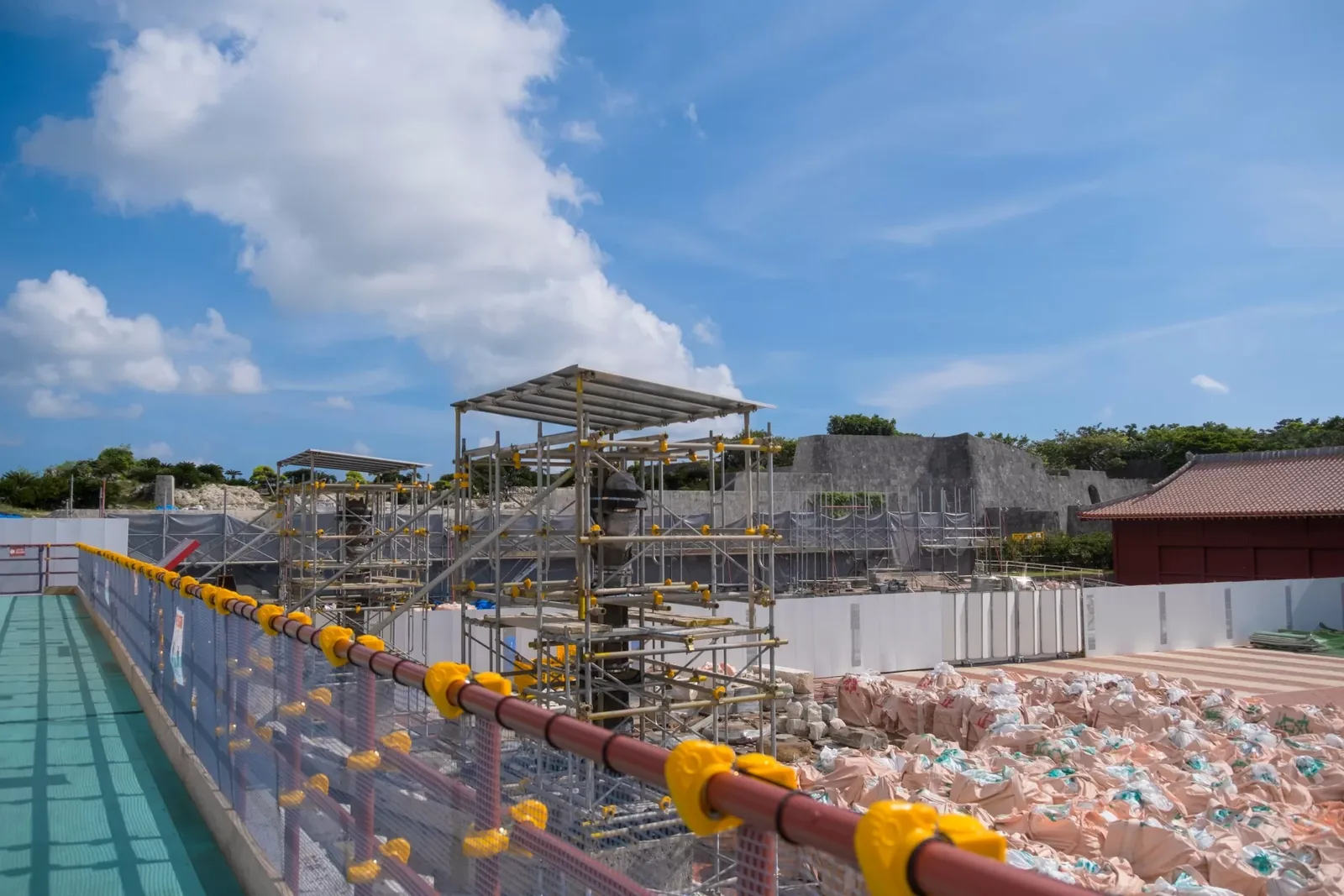
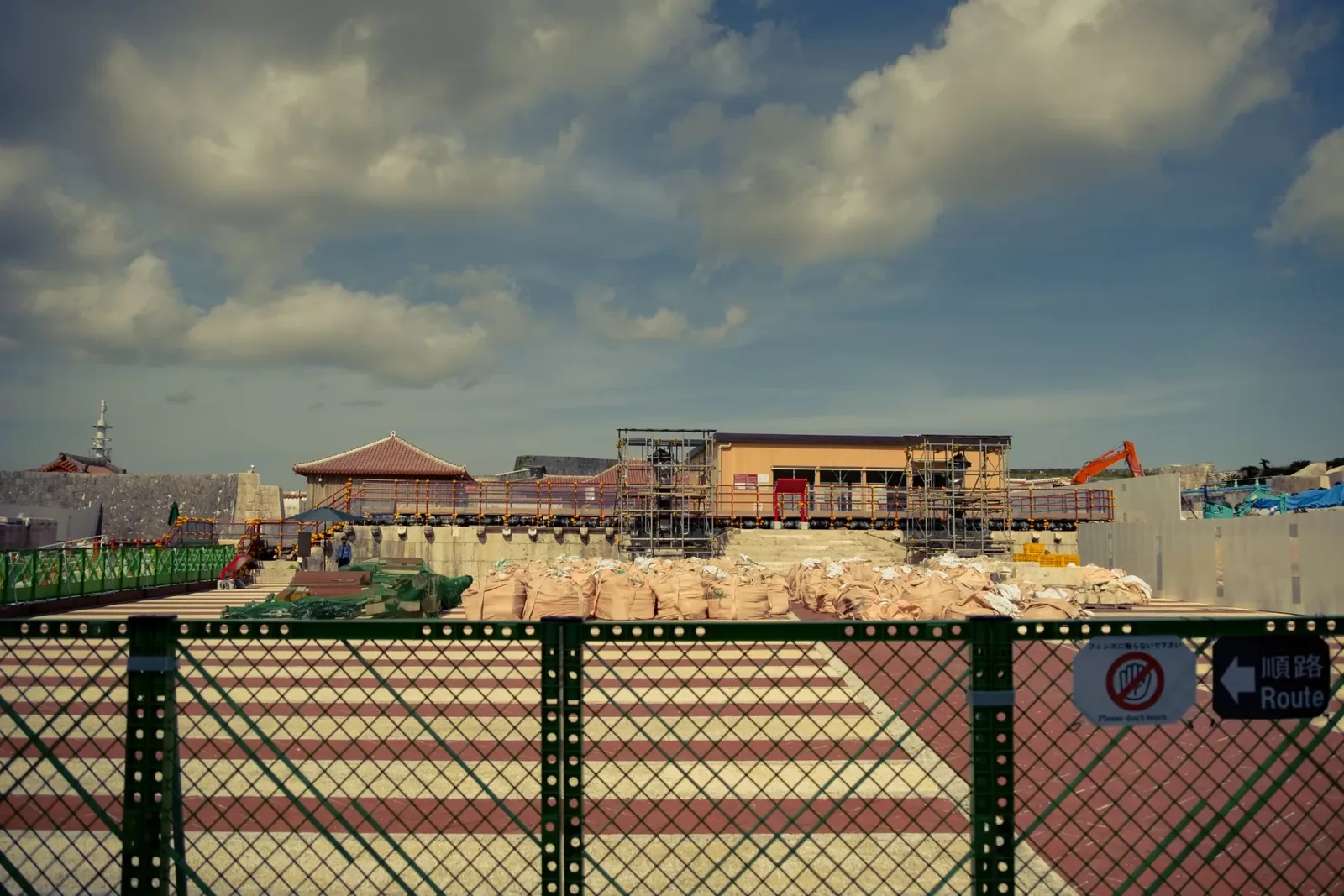
It is also a city on a deadline. Shuri Castle's main hall burned down in October 2019, and the rebuild has been running ever since: visible, fenced, unfinished. That ends this year. The completion ceremony is on 22 November 2026 and the hall opens to the public the following day, which is also the day admission goes from ¥400 to ¥1,000.
So there are two versions of this trip, and they cost different amounts. It is worth knowing which one you are booking.
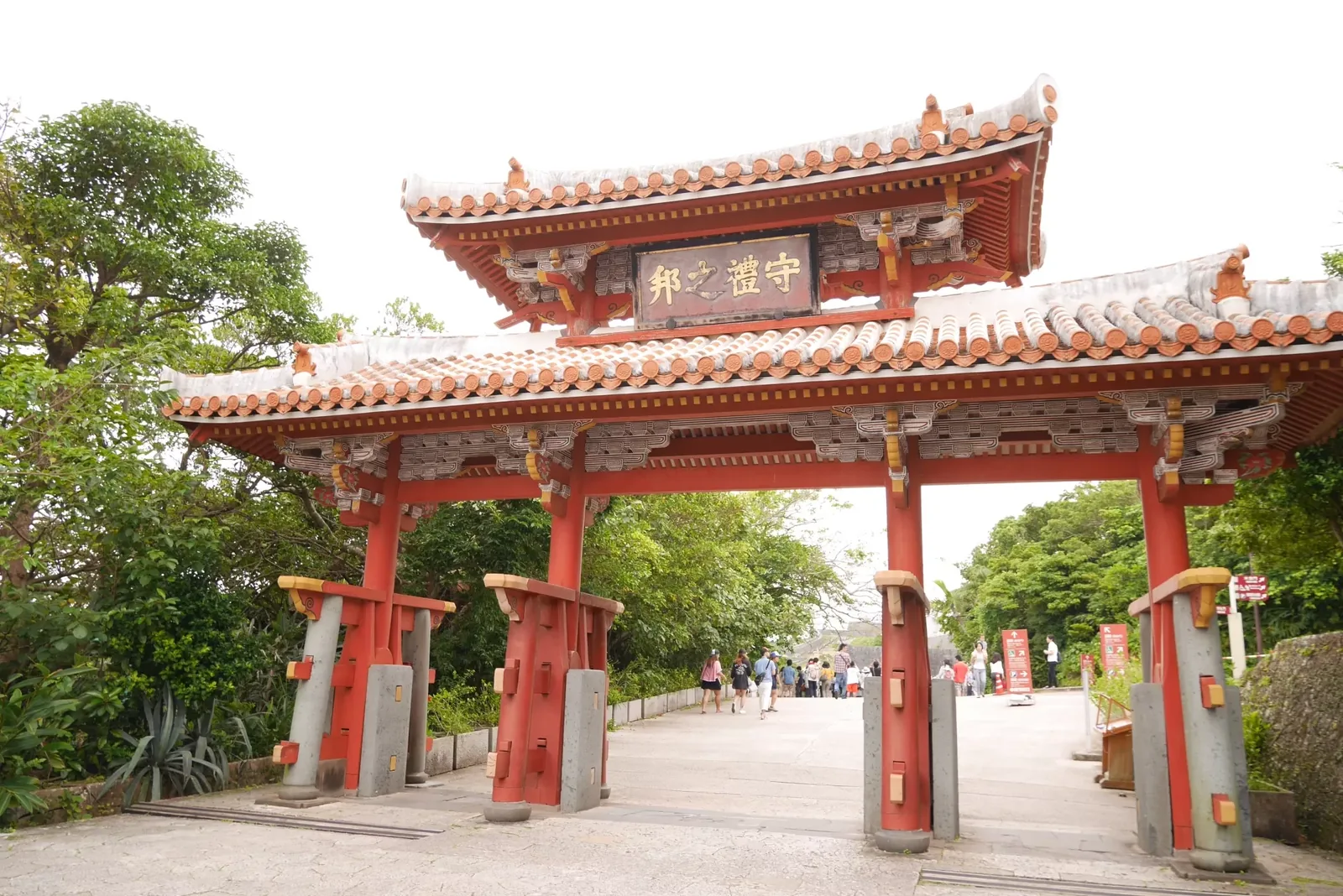
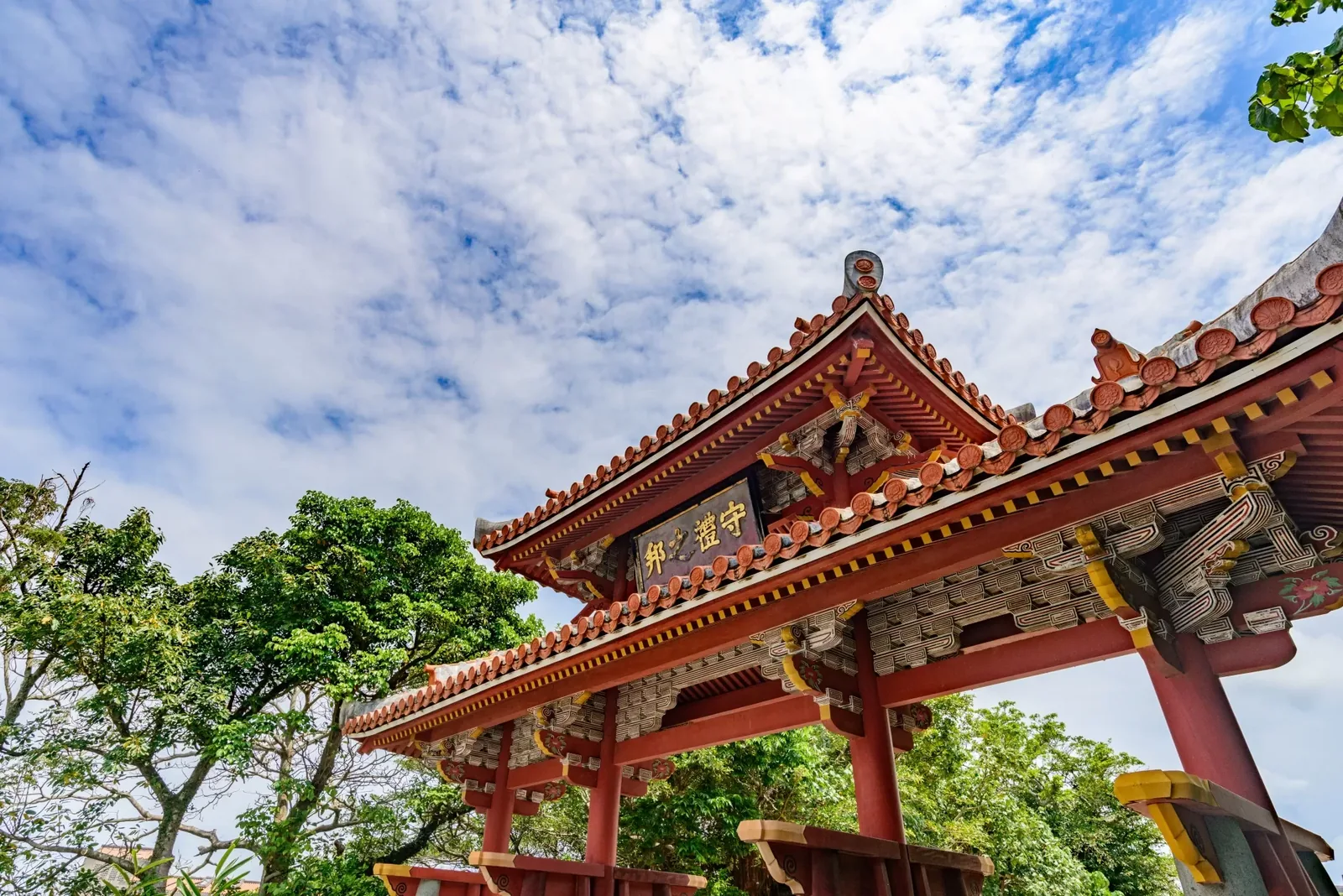
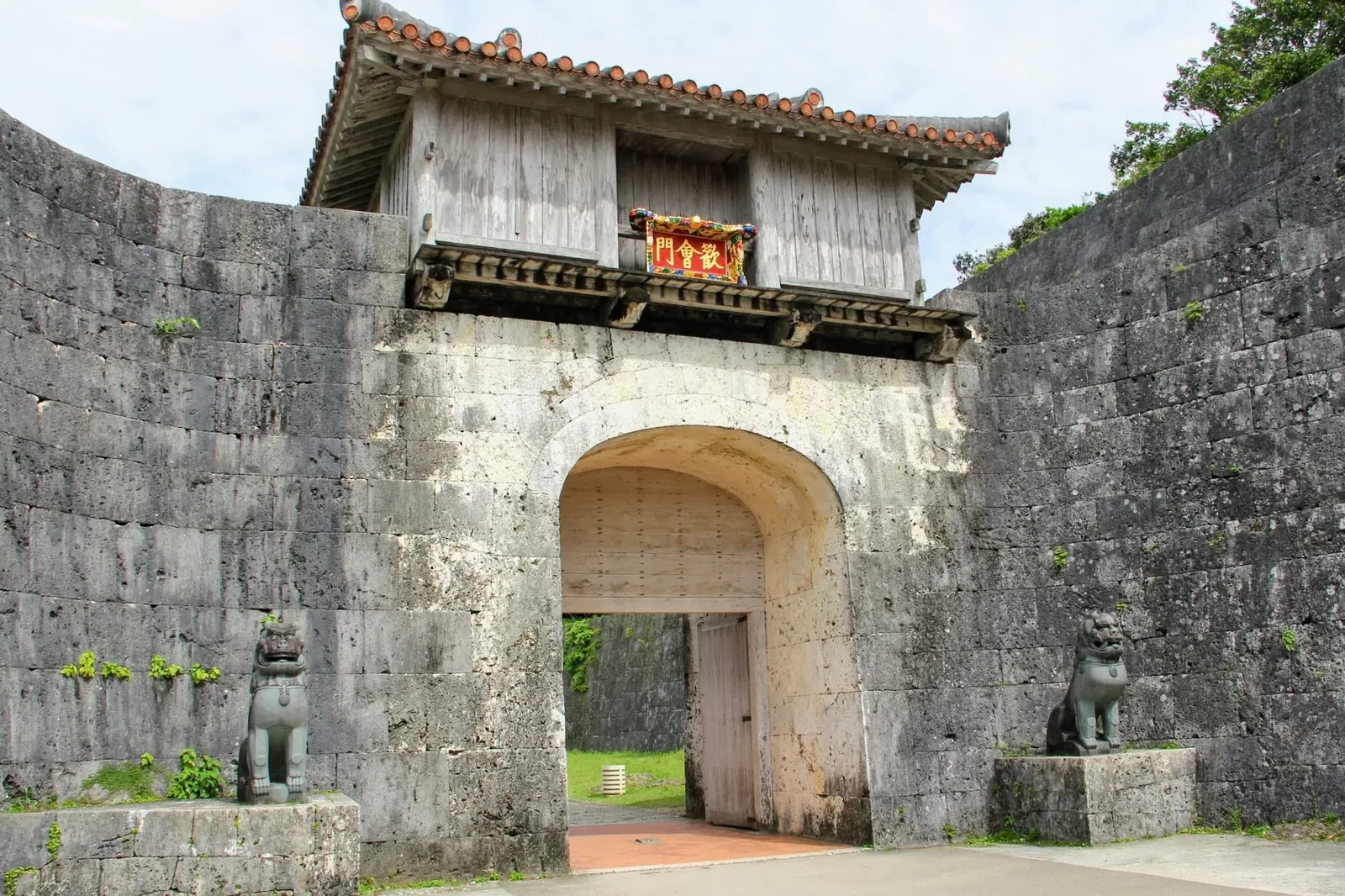
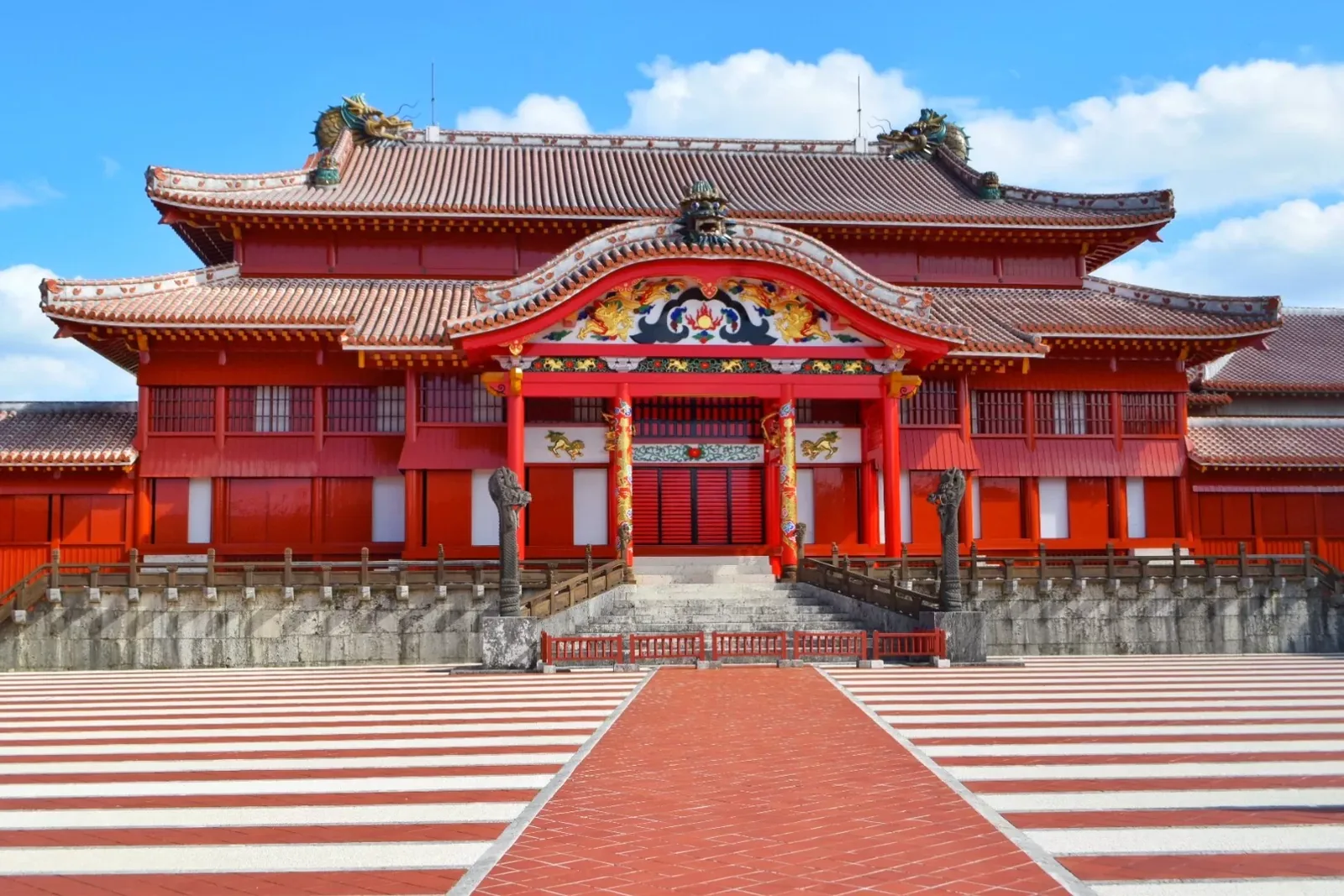
The seat of the Ryukyu Kingdom, and a reconstruction site since the 2019 fire. The gates and walls are original ground; the main hall opens on 23 November.
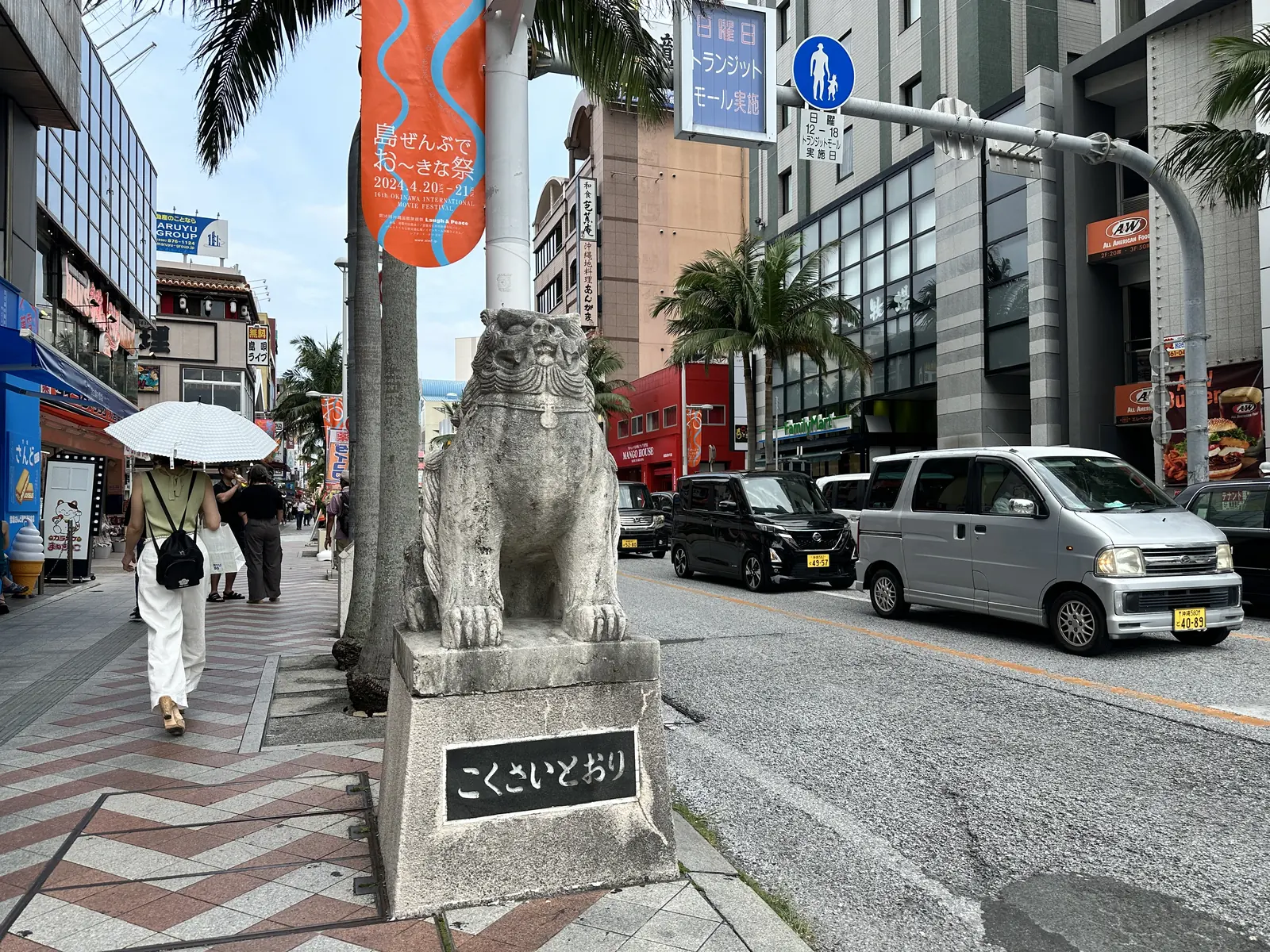
The main shopping street, closed to private cars every Sunday from 12:00 to 18:00. Buses and taxis still run through it. That is the point of it.
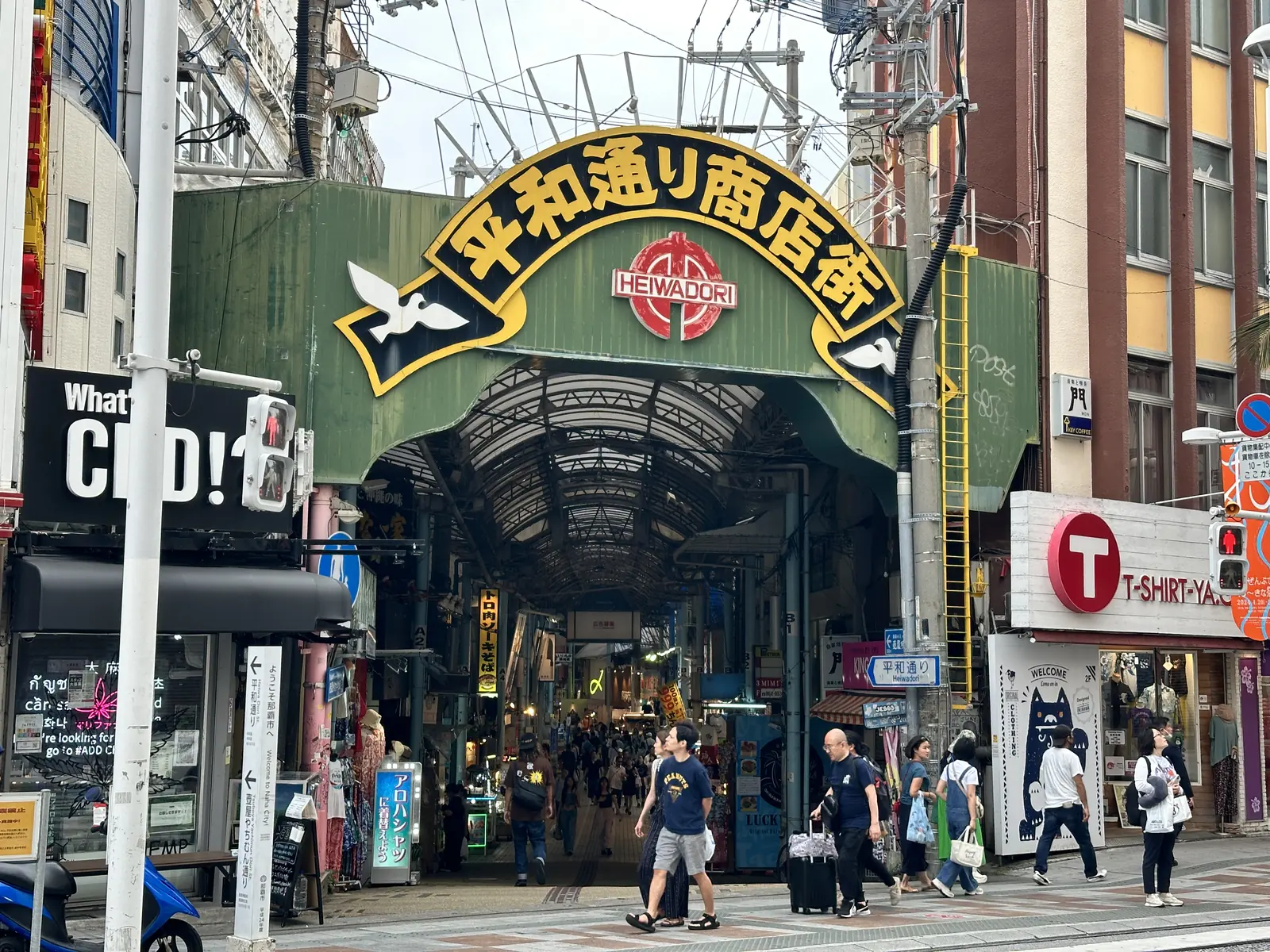
Buy a fish downstairs, pay a cook upstairs to grill it. Back in its permanent hall since March 2023. The temporary market is long gone.
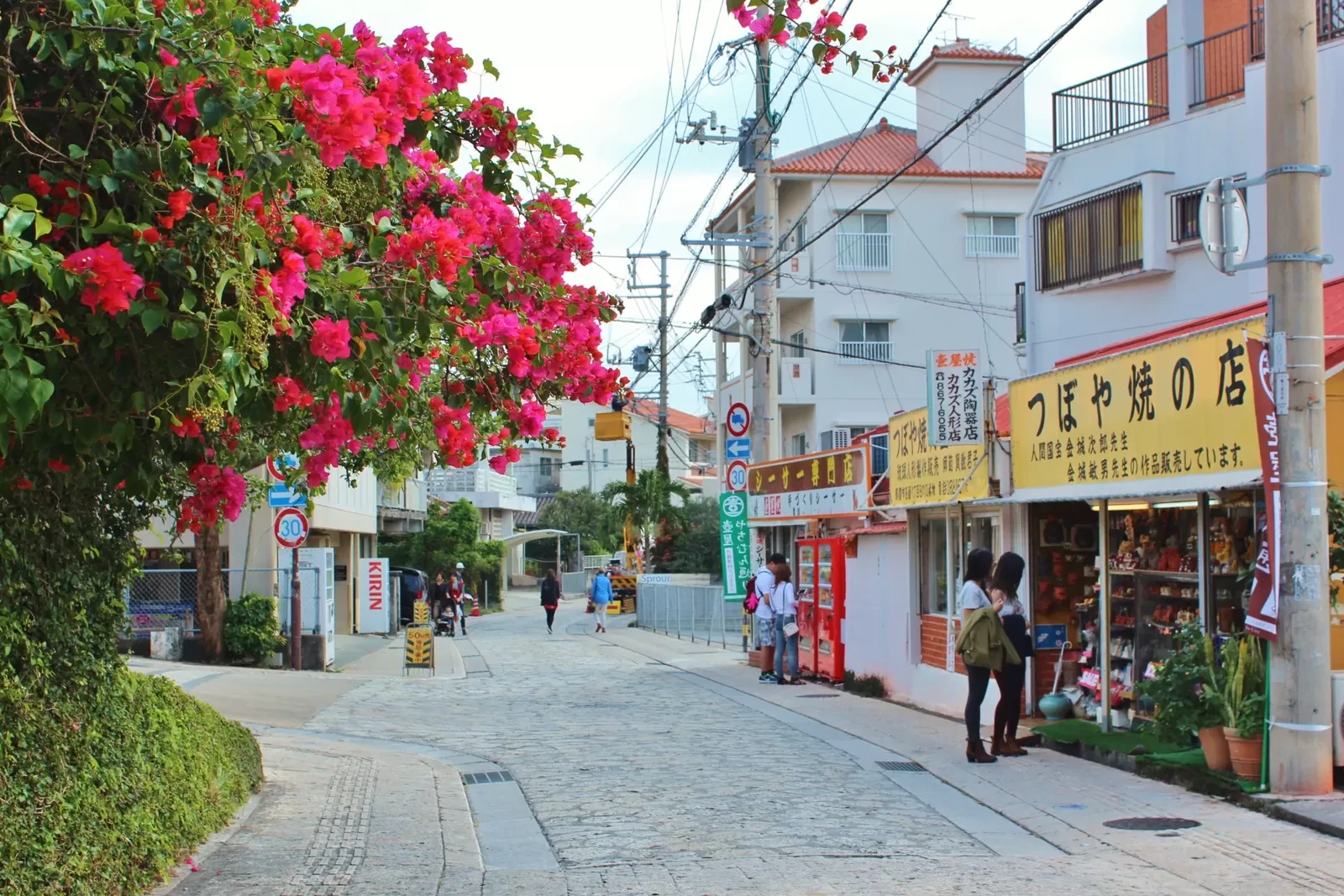
A lane of kilns and shops two minutes off the arcade. The museum on it shuts for renovation from 1 September 2026. The street itself stays open.
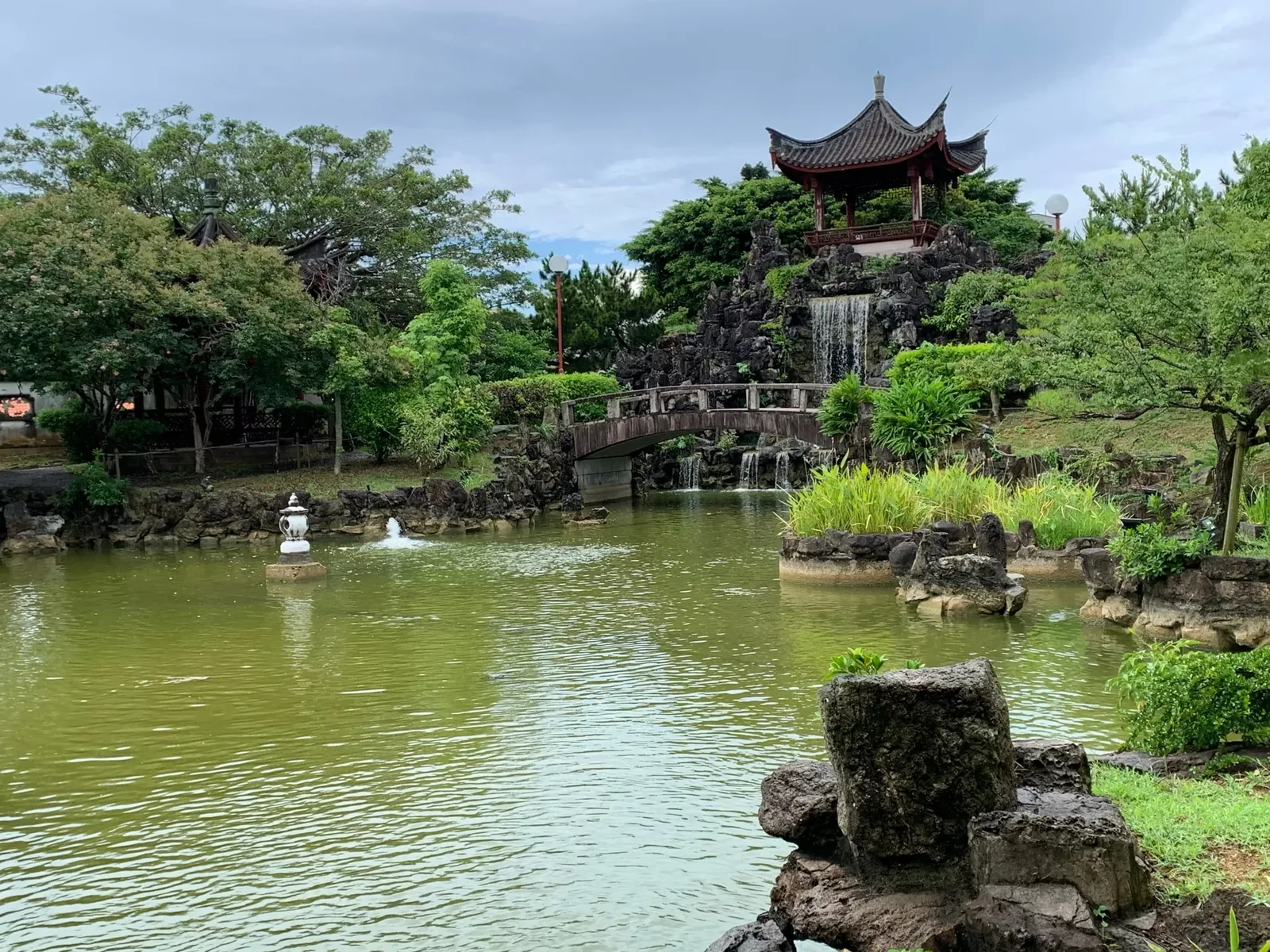
A Chinese garden seven minutes from Kencho-mae, open until 21:00, one of the few things in Naha that is better after dark.
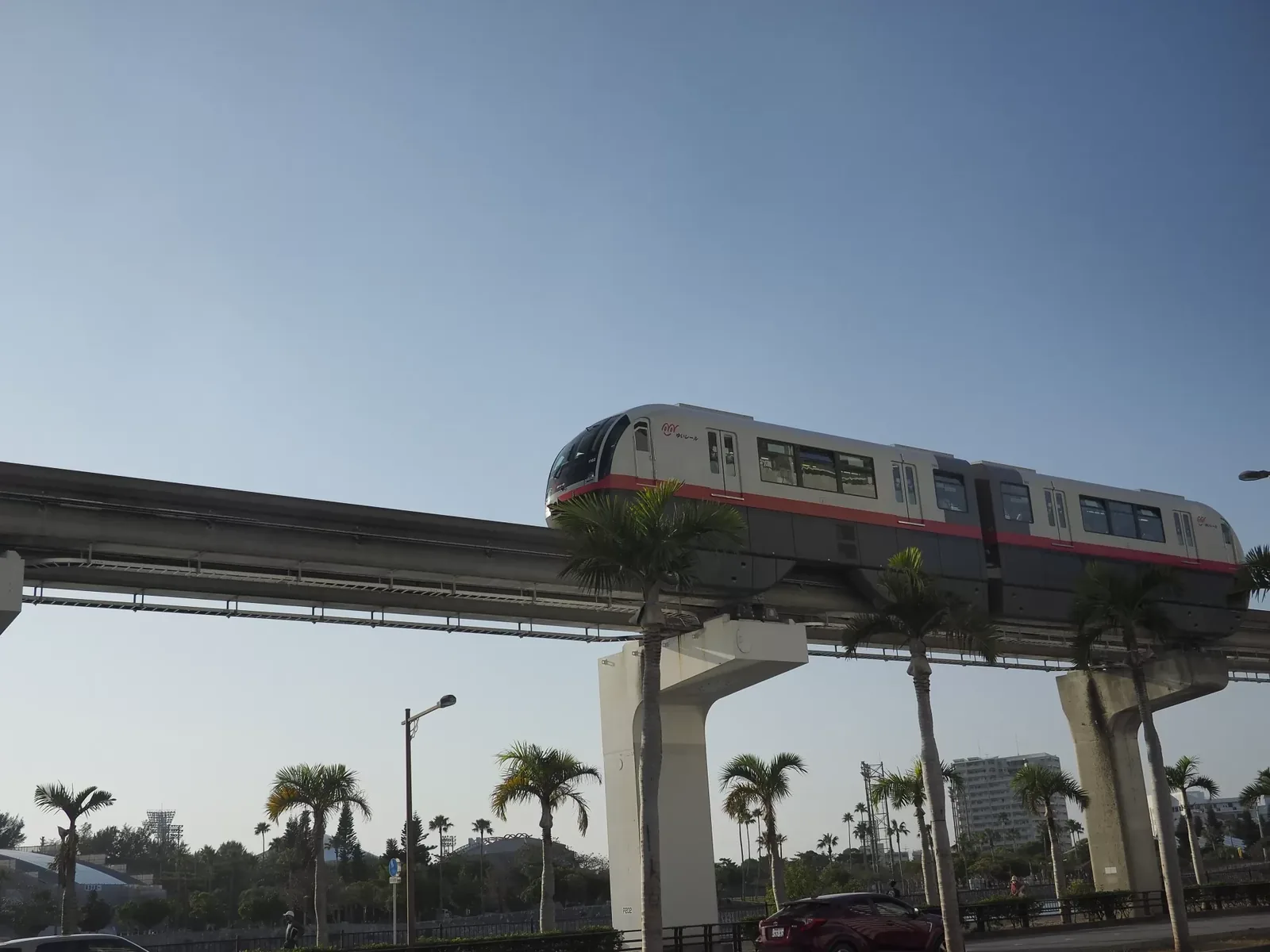
Nineteen stations from the airport to Tedako-Uranishi. The "one-day" pass is really a 24-hour pass, which is not the same thing.
The temporary work roof came off in October 2025, so the rebuilt main hall is visible from the courtyard. You simply cannot go inside it. The gates, the walls and the view over Naha are all open as normal. Adults ¥400.
The formal ceremony marking the end of the reconstruction. Details of public access on the day had not been published when we checked in August 2026.
Public access to the interior begins, and admission rises to ¥1,000 for adults. Going inside the hall needs a timed reservation booked ahead. There is no extra charge for it, but there is no walk-up either. The paid-area ticket costs the same whether or not you go in.
Naha City's Tsuboya Pottery Museum shuts for exterior renovation for seven months. The street it stands on, and the shops and kilns along it, are unaffected.
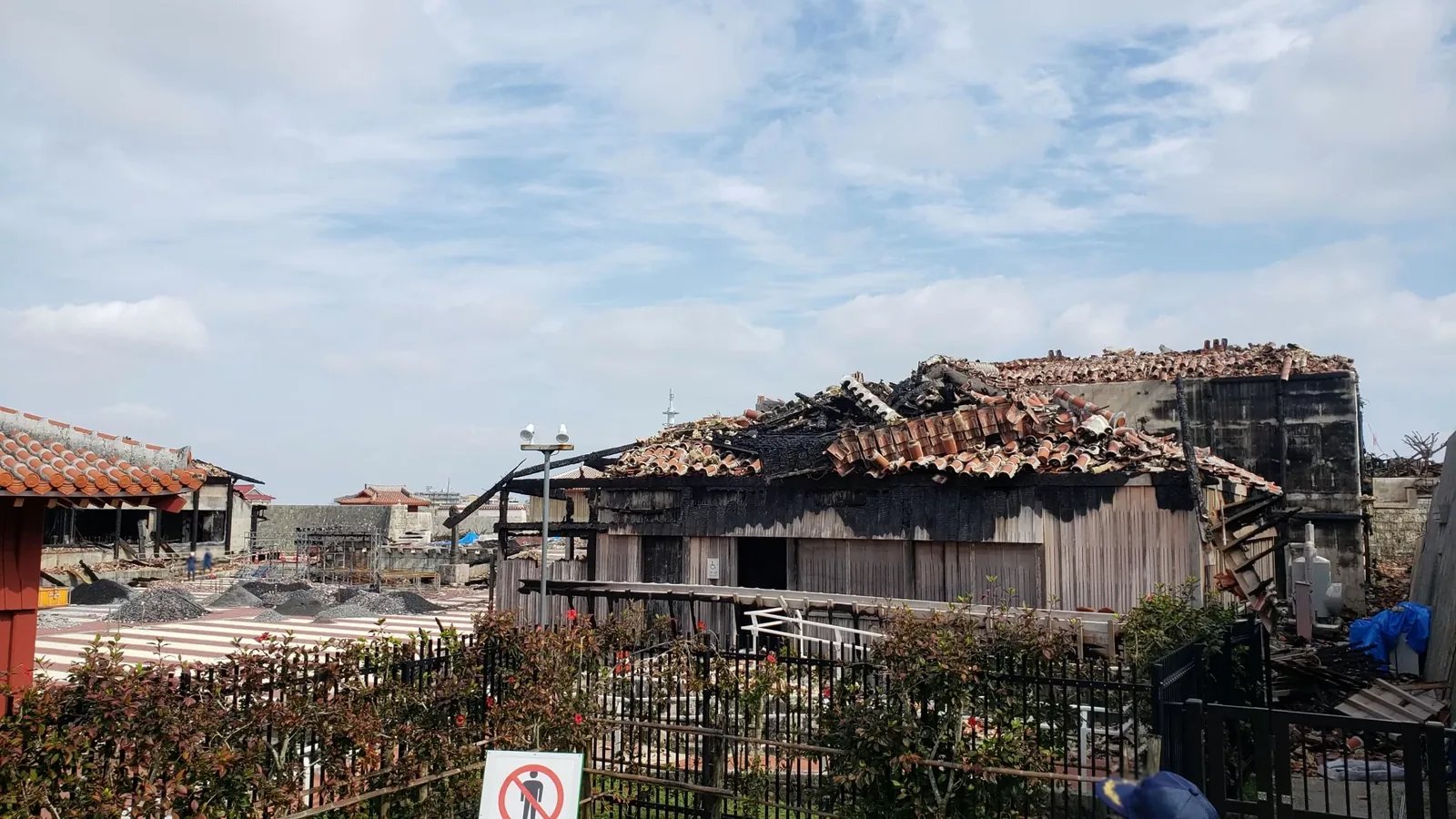
Nothing about this rebuild has been quick, and that is deliberate: the hall has been reconstructed using the traditional joinery, lacquer and pigments, with the work stages opened to the public as they happened. For six years the scaffolding was the attraction.
Which is the honest case for going before November. You are paying ¥400 to walk a World Heritage site at the end of the longest restoration in modern Okinawan history, and after 23 November, that particular thing is over.
| Shuri Castle paid area | Now | From 23 Nov 2026 |
|---|---|---|
| Adult | ¥400 | ¥1,000 |
| High school | ¥300 | ¥760 |
| Elementary & junior high | ¥160 | ¥370 |
| Under 6 | Free | Free |
| Group of 20+ (adult) | ¥320 | ¥800 |
| Annual pass (adult) | ¥800 | ¥2,000 |
The summer hours were shortened on 1 July 2026. Until then the paid area stayed open to 20:00 in July, August and September; it now closes at 19:00 like the rest of April to November, and the car park opens half an hour later than it used to. Both changes are recent enough that most listings still show the old times.
Allow an hour and a half. It is a hill, and the site is walked as a sequence of gates and enclosures rather than a single building, which is why it still works as a visit with the main hall shut.
Whether the rail-pass discount survives the November price change has not been announced. If you are travelling after that date, treat ¥1,000 as the number and anything less as a bonus.
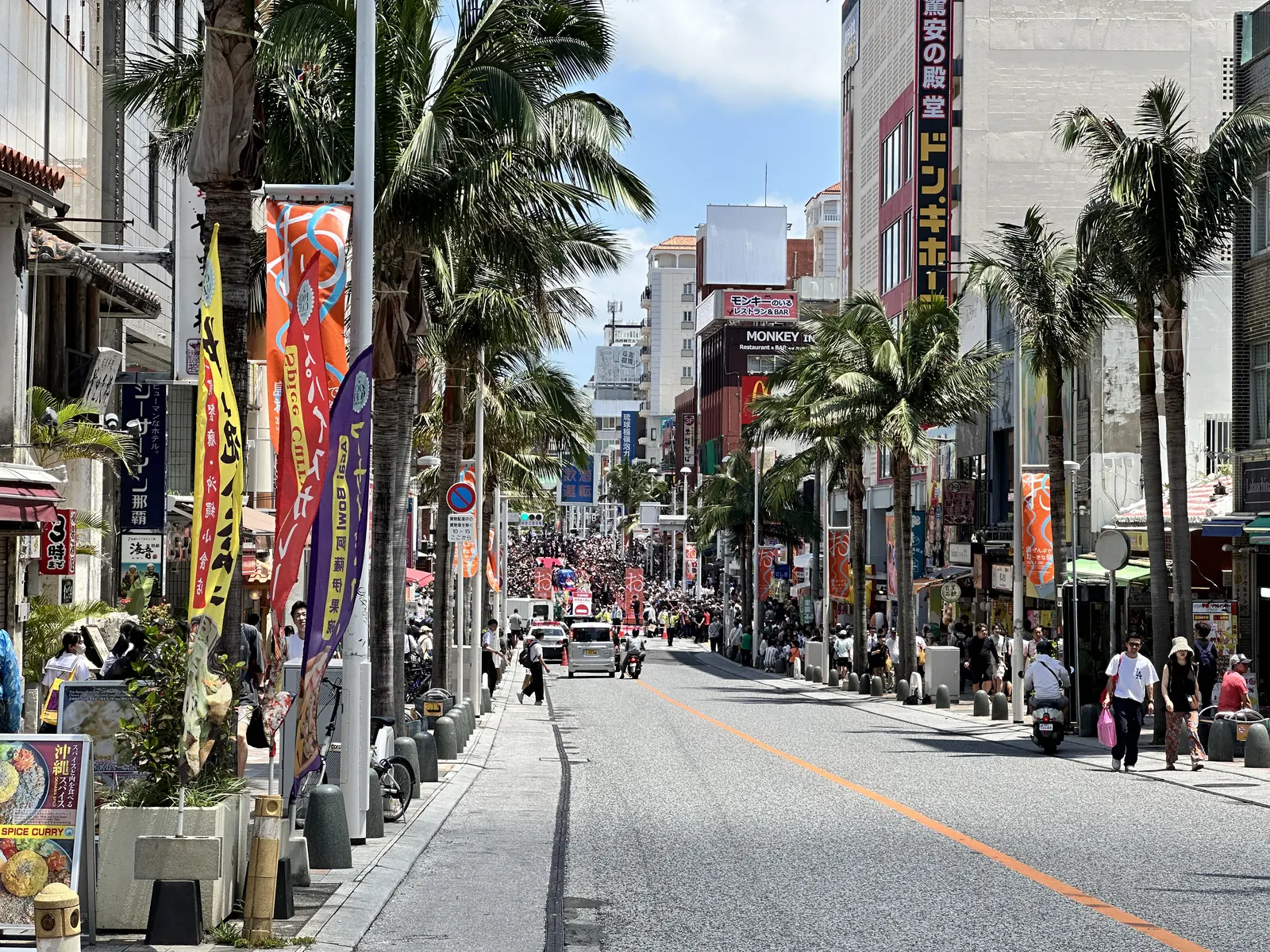
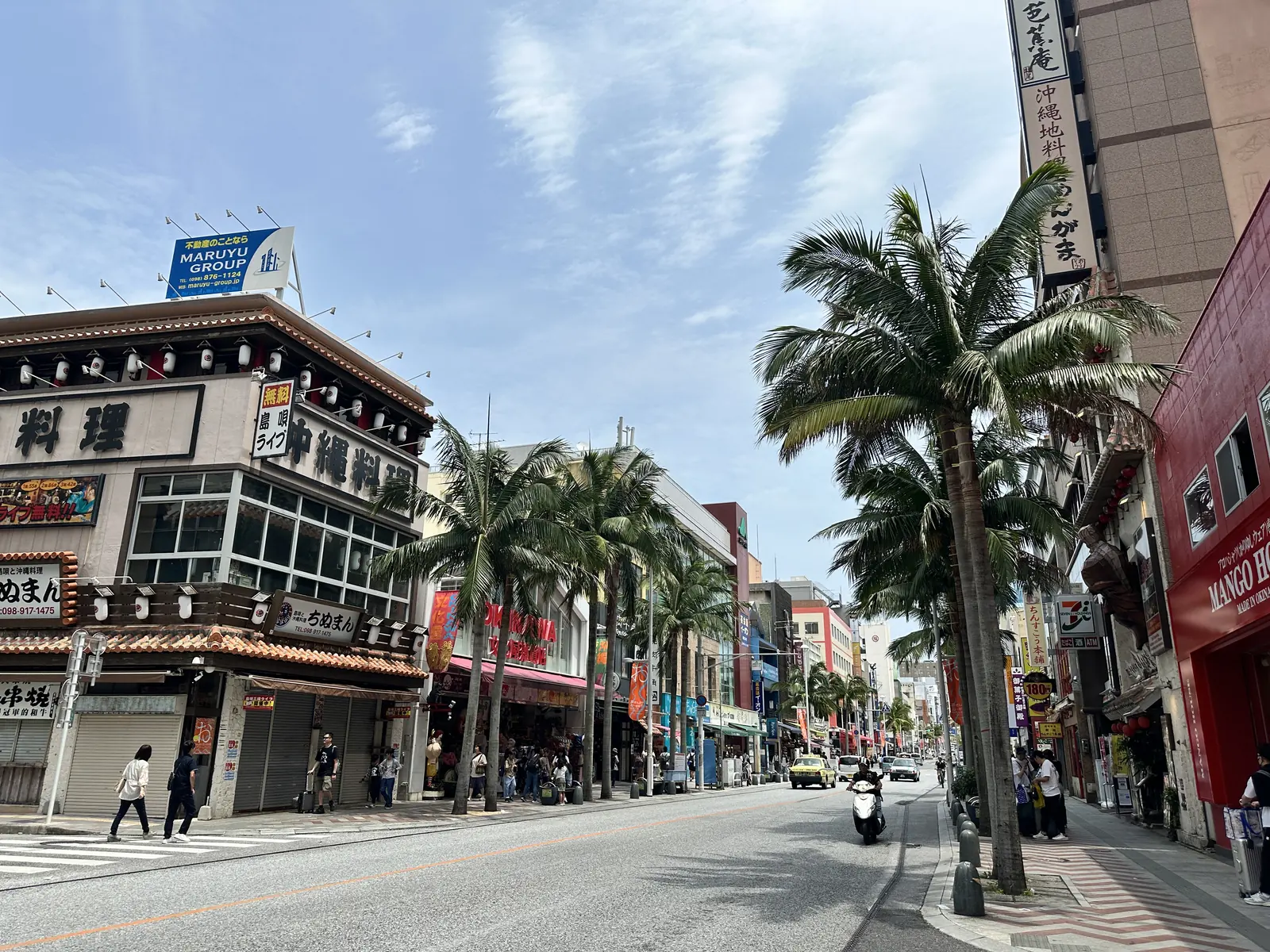
Kokusai-dori is nicknamed the Miracle Mile, for having been rebuilt out of nothing after the war. It is souvenir shops and eating, and it is busy, and it is the obvious thing, but the interesting part is one turn off it.
Every Sunday from 12:00 to 18:00, private cars are banned from the whole 1.3 km stretch and it becomes a pedestrian street. Buses and taxis keep running, which is what makes it a transit mall rather than a plain closure. It is cancelled in rain. Note that the shopping association now calls it the Transit Mile rather than the transit mall. The older name is still what most guides use.
Turn south into the covered Heiwa-dori arcade and you reach the Makishi Public Market. Downstairs is fish, pork and produce; upstairs are cooks who will prepare what you just bought, for a fee per item. It is the one food experience in Naha that is genuinely local rather than aimed at you.
The market detail worth having is the closure: the fourth Sunday of every month except December. Sunday is also transit mall day on Kokusai-dori, so it is easy to plan the two together and find the market shut.
The other one is parking. There is no market car park, the surrounding streets are narrow and one-way, and the paid lots fill from mid-morning. This is the single strongest argument for leaving the rental car at the hotel, or not collecting it until you leave Naha.
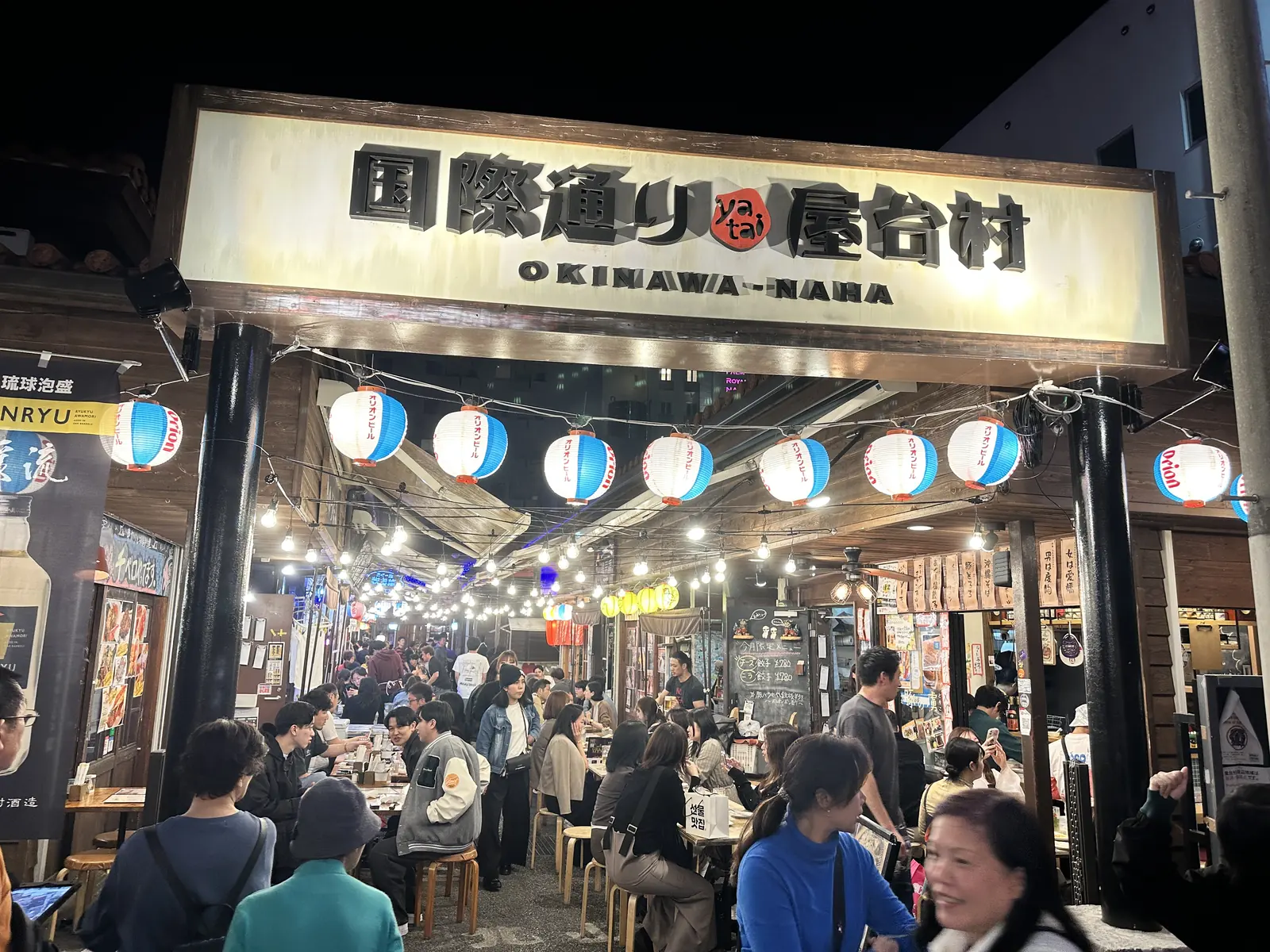
The street is a different place after dark. The souvenir shops close and the eating starts. One turning off it is Kokusai-dori Yatai-mura, opened in 2015 on the site of the old Grand Orion cinema. It is a courtyard of around twenty small kitchens and bars with a stage in the middle, and it runs late. It is two minutes from the main street and almost nobody walks to it on a first visit.
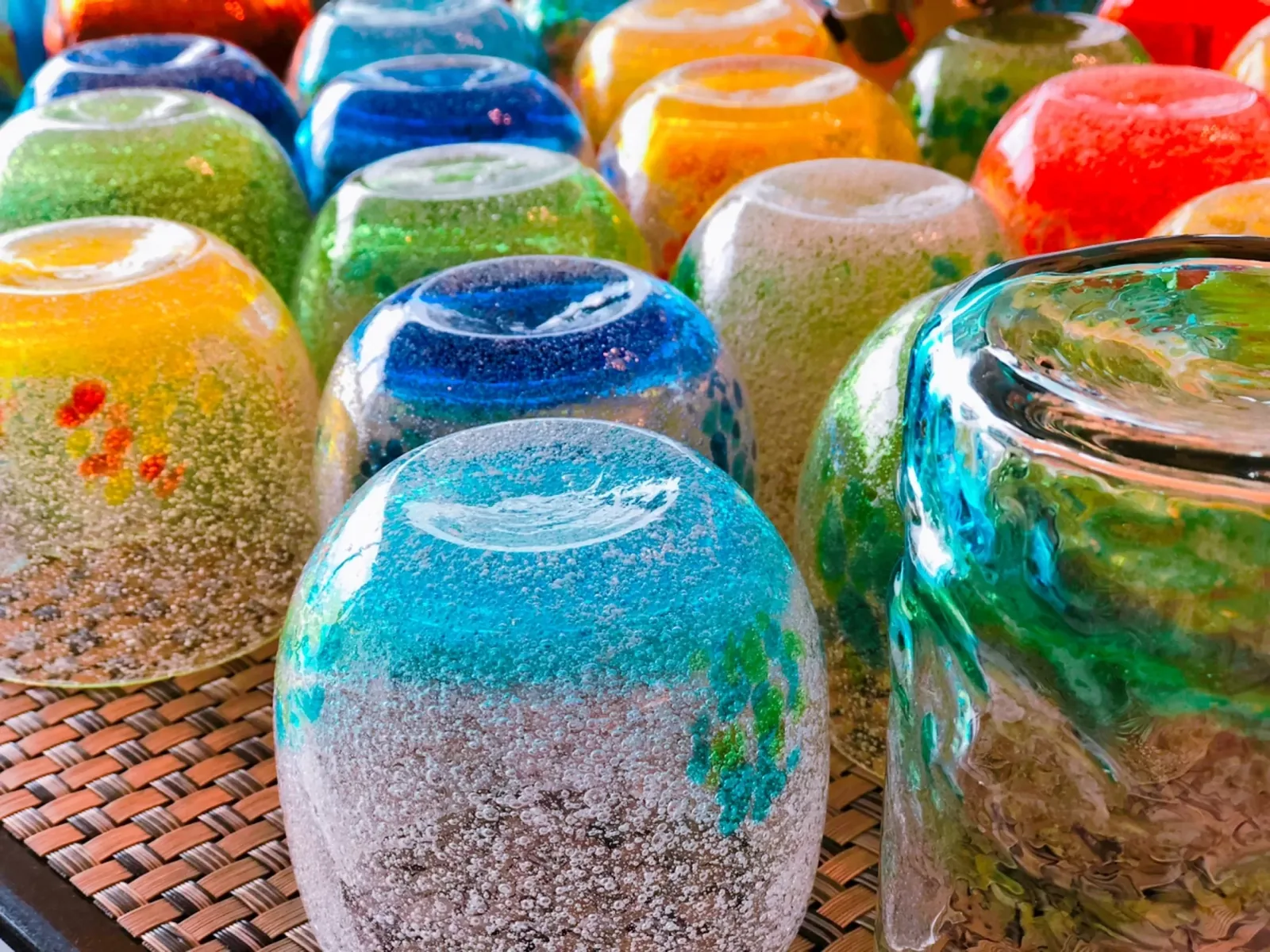
Keep walking past the market and the arcade ends at Tsuboya Yachimun Street, a stone-paved lane of pottery workshops that has been the centre of Okinawan ceramics since the kilns were consolidated here in 1682. It is quiet in a way nothing else in this part of the city is.
The shops sell what is made here: heavy glazed plates, cups, and the shisa figures that go on Okinawan roofs. Prices run from a few hundred yen for a small piece to serious money for a named potter's work.
One dated warning. Naha City's Tsuboya Pottery Museum on this street closes for exterior renovation from 1 September 2026 until 31 March 2027. If a guide sends you here specifically for the museum during that window, it is out of date. The street, the kilns and the shops are open throughout.
The Yui Rail platform is inside the terminal building. No shuttle, no transfer. Kencho-mae, for Kokusai-dori, is a few stops along the line; Shuri is at the far end.
Single fares run roughly ¥230–¥390 depending on distance.
1-day ¥1,000 · 2-day ¥1,800 (children ¥500 / ¥900). Both run from first use, not from midnight: 24 and 48 hours respectively.
Landing at 15:00 means a 1-day pass covers you until 15:00 tomorrow.
Show it for a discount at Shuri Castle (¥400→¥320), Tamaudun (¥300→¥240), Shikinaen (¥400→¥320), Fukushuen (¥200→¥160) and the Tsushima Maru Memorial (¥500→¥450).
Three or four rides plus one of these and the pass has paid for itself.
The "one-day pass" naming is the thing that catches people out. It is sold as 一日乗車券 and translated as a day pass, but the validity is 24 hours from the moment you first pass a gate. Buying one the evening you land, rather than the next morning, is free extra time, and buying one at 9am for a day you finish at 4pm wastes half of it.
For everything beyond the city, you will want a car: our roadside station series covers the drive north, and Toyosaki is fifteen minutes south of the airport if you want somewhere to fill the last hours of a trip. Within Naha itself, a car is a cost rather than a convenience.
¥400 for adults, ¥300 high school, ¥160 elementary and junior high, free under six. From 23 November 2026 it becomes ¥1,000 / ¥760 / ¥370. Showing a 1- or 2-day Yui Rail pass currently gets you the group rate of ¥320; whether that continues after the change has not been announced.
Not before 23 November 2026. The outside of the rebuilt hall has been visible since the temporary work roof was removed in October 2025, but the interior is closed. From 23 November, going inside requires a timed reservation made in advance: no additional fee, but no walk-up entry either. The paid-area ticket is the same price whether or not you go in.
Yes, for ¥400. The walls, the gates, the stone approach and the view over the whole city from the ramparts are all open, and they are the parts that are genuinely old. What you miss is the reconstruction, a building finished in 2026. It is a fair trade at the current price and a different calculation at ¥1,000.
It is 24 hours from first use, which is usually better than a calendar day. ¥1,000 adult, ¥500 child; the two-day version is 48 hours at ¥1,800 / ¥900. It also gets you into several paid sights at a discount, listed above.
The fourth Sunday of each month, except in December, plus 1–3 January, Lunar New Year and the two days after Obon. Individual stalls also keep their own days off. It opens at 8:00; last orders are 19:45 to have your own purchases cooked and 20:00 in the upstairs restaurants.
Not in Naha. The airport, Kokusai-dori, the market and Shuri Castle are all on the monorail. Central parking is paid and fills early, the market has none at all, and the castle car park now opens at 8:30 rather than 8:00. Pick the car up when you leave the city, not when you land.