Each one is a different town
Michi-no-eki are run by their own municipality. Every station sells that town's harvest and cooks its speciality, so hopping between them is a tour of Okinawa's regions, not a tour of rest areas.

Every michi-no-eki and farm market on the main island. The cheapest, most local way to tour Okinawa.
Michi-no-eki are run by their own municipality. Every station sells that town's harvest and cooks its speciality, so hopping between them is a tour of Okinawa's regions, not a tour of rest areas.
A raw oyster for ¥500. Tempura for ¥100. Aquarium tickets ¥180 under gate price. This is where the island actually shops, and the receipts prove it.
Free parking, free entry, clean restrooms, and a bus stop right outside at more of them than you'd expect. They're the backbone of a car-free Okinawa trip too.
Most visitors treat roadside stations as places to pee and buy a coffee. Locals treat them as the reason to drive. Get this right and your trip stops being a list of attractions and starts being a route.
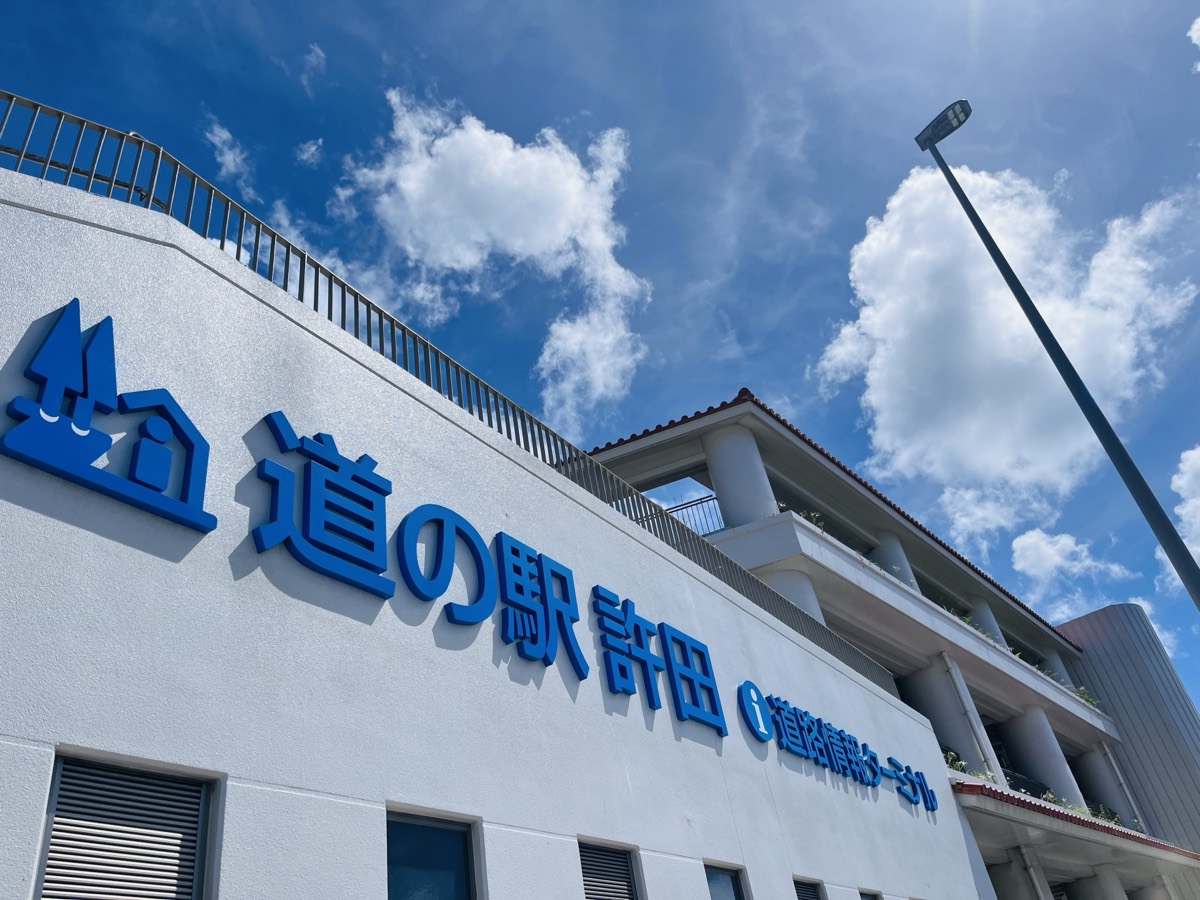
Okinawa's first station, and discount attraction tickets from 8:30.
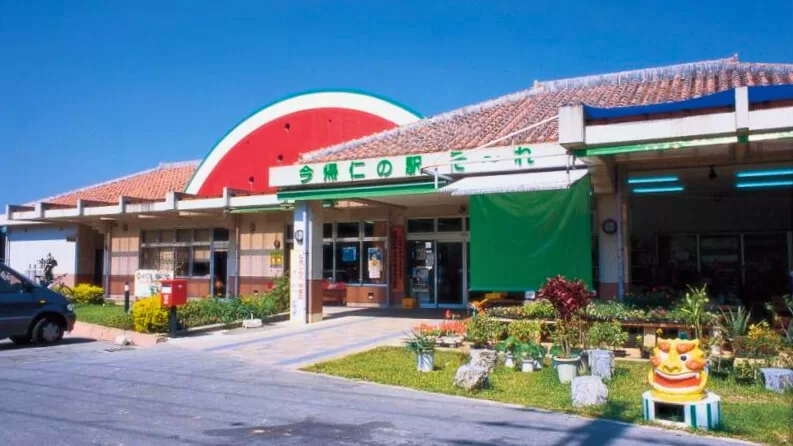
A farm market run by the village women who founded it.
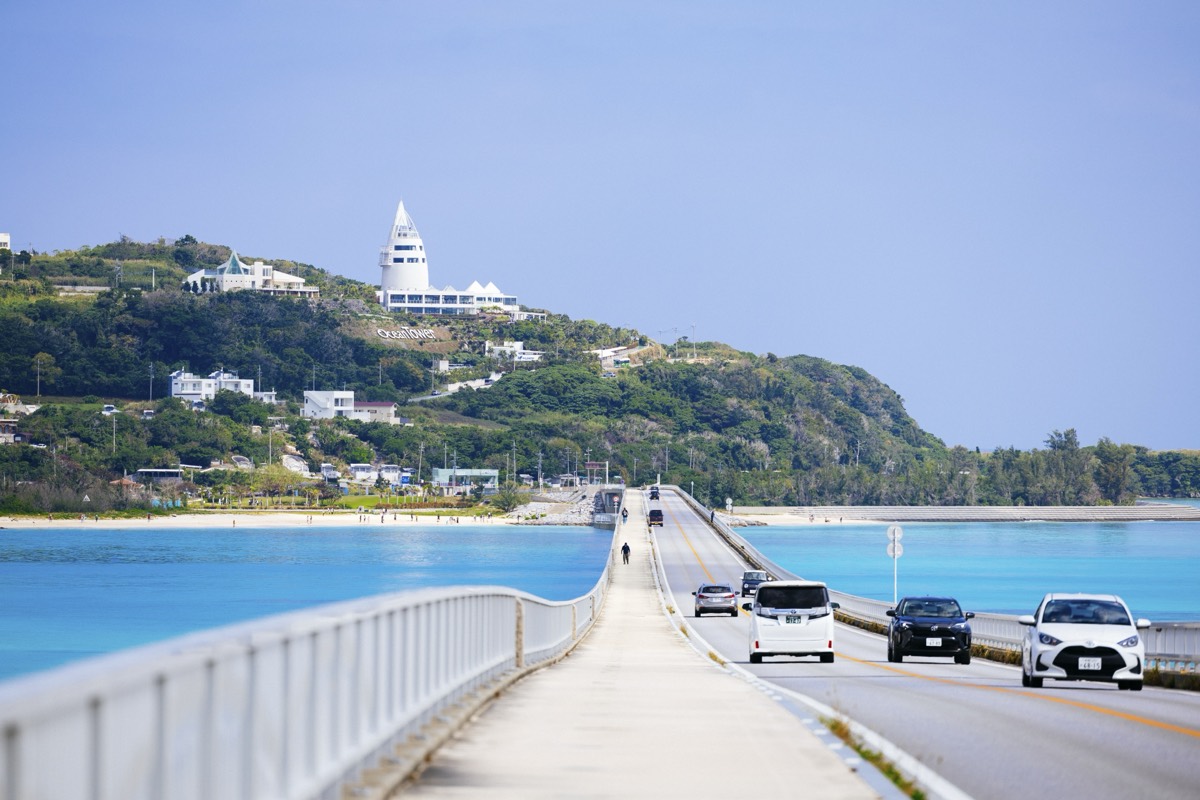
Where the sky bridge lands, with showers for after the beach.
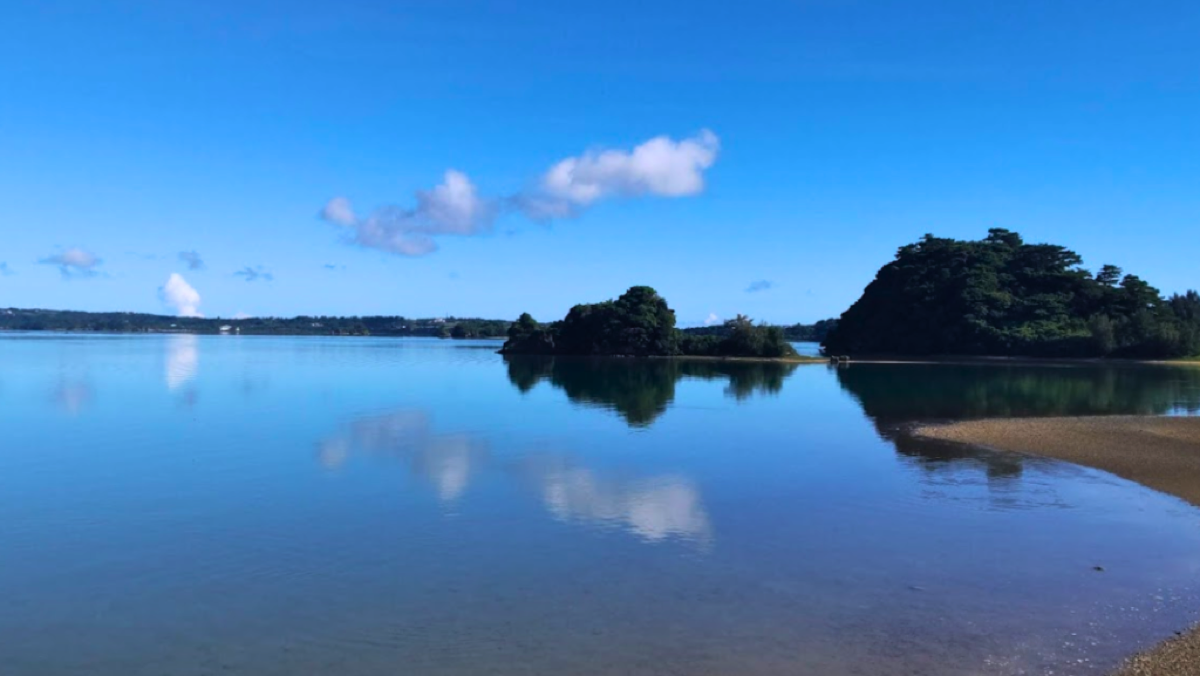
Local chicken and eggs, and a free view over the inland sea.

A drive-in at the foot of Warumi Bridge, on the way to Kouri.
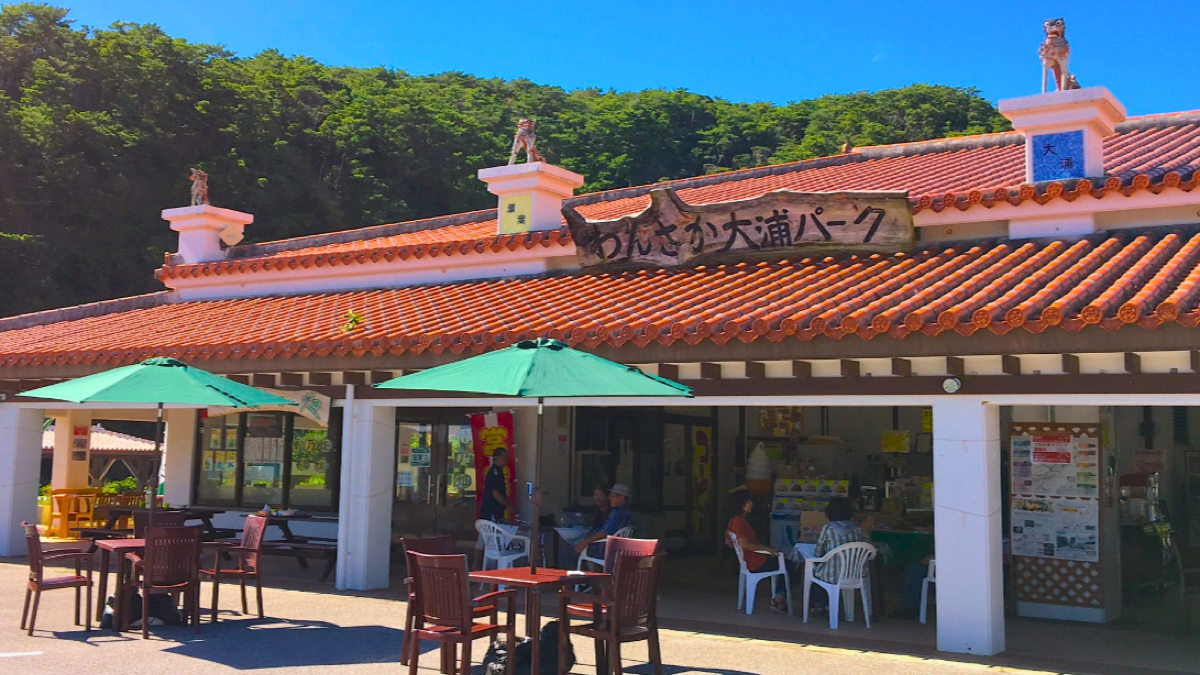
A quiet community park on the bay, on the east coast road.
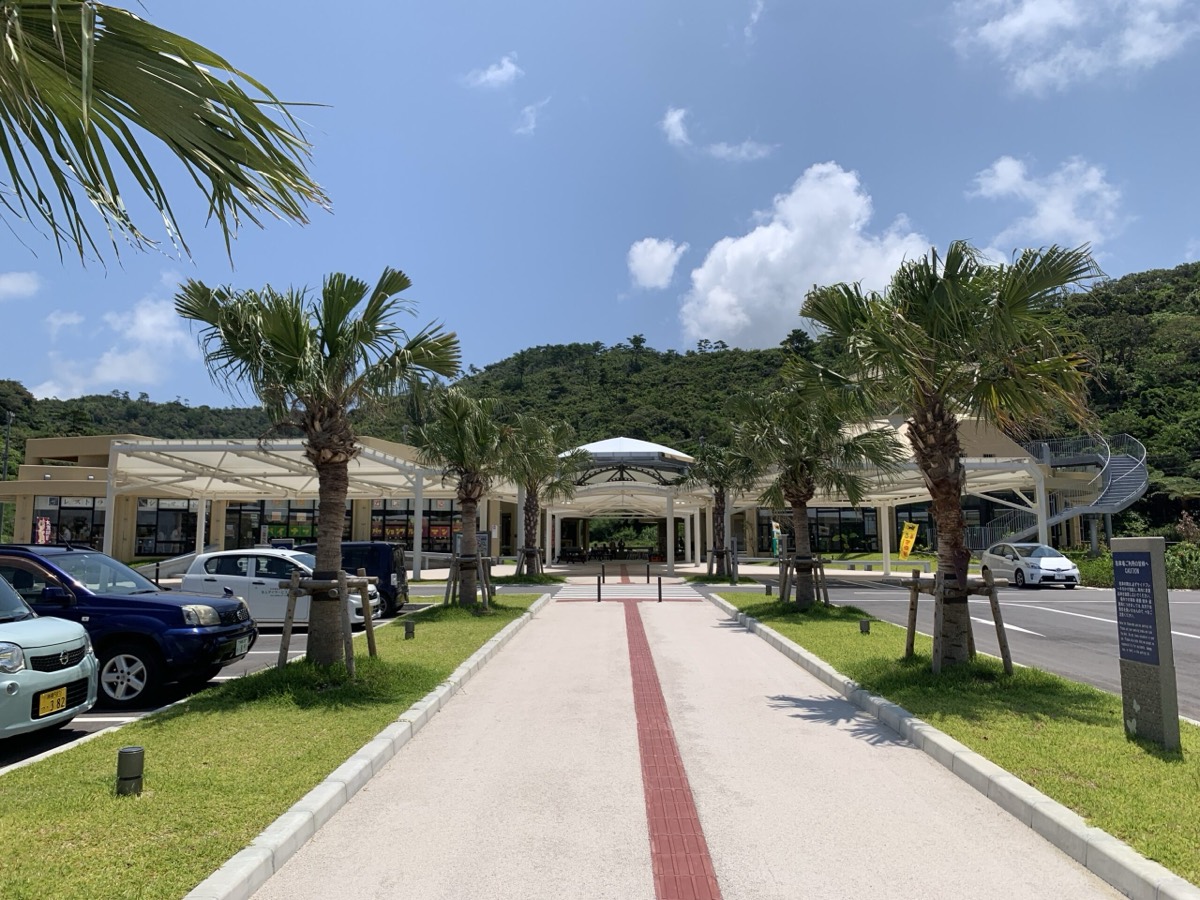
A forest visitor centre in the village of longevity.
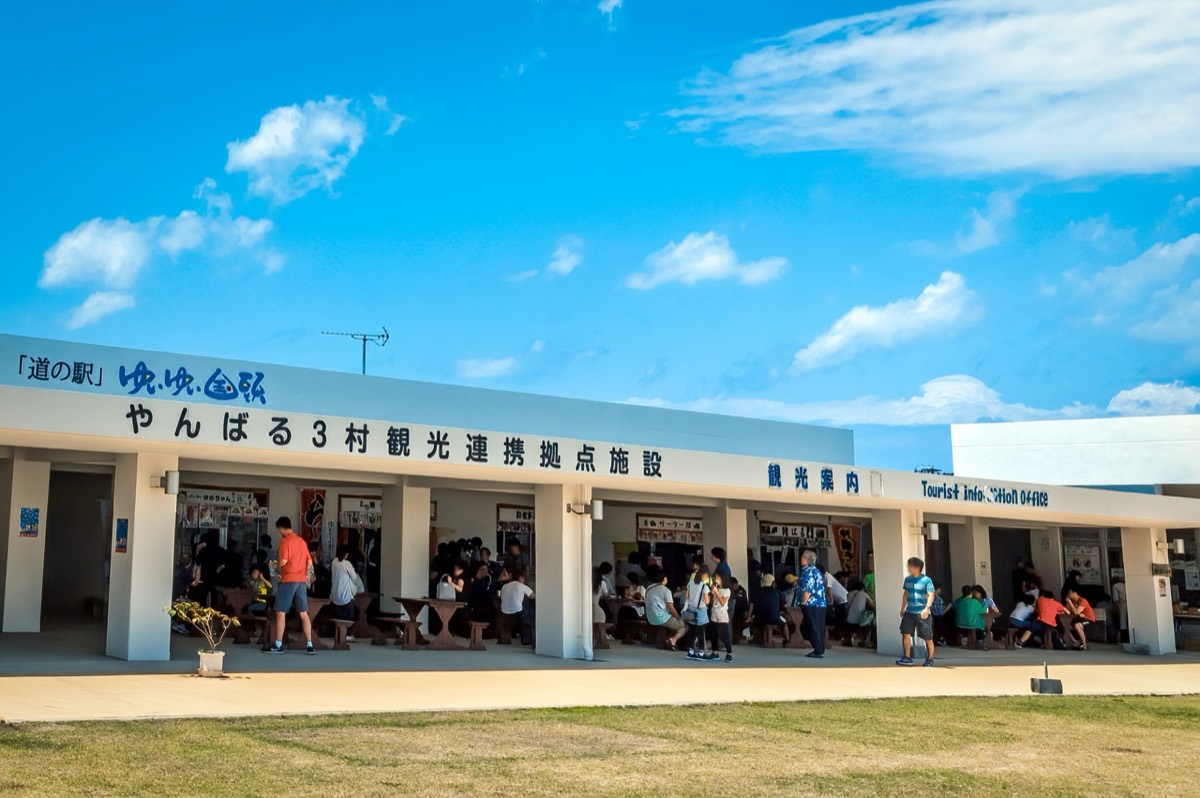
The island's northernmost station, at the edge of the Yanbaru forest.
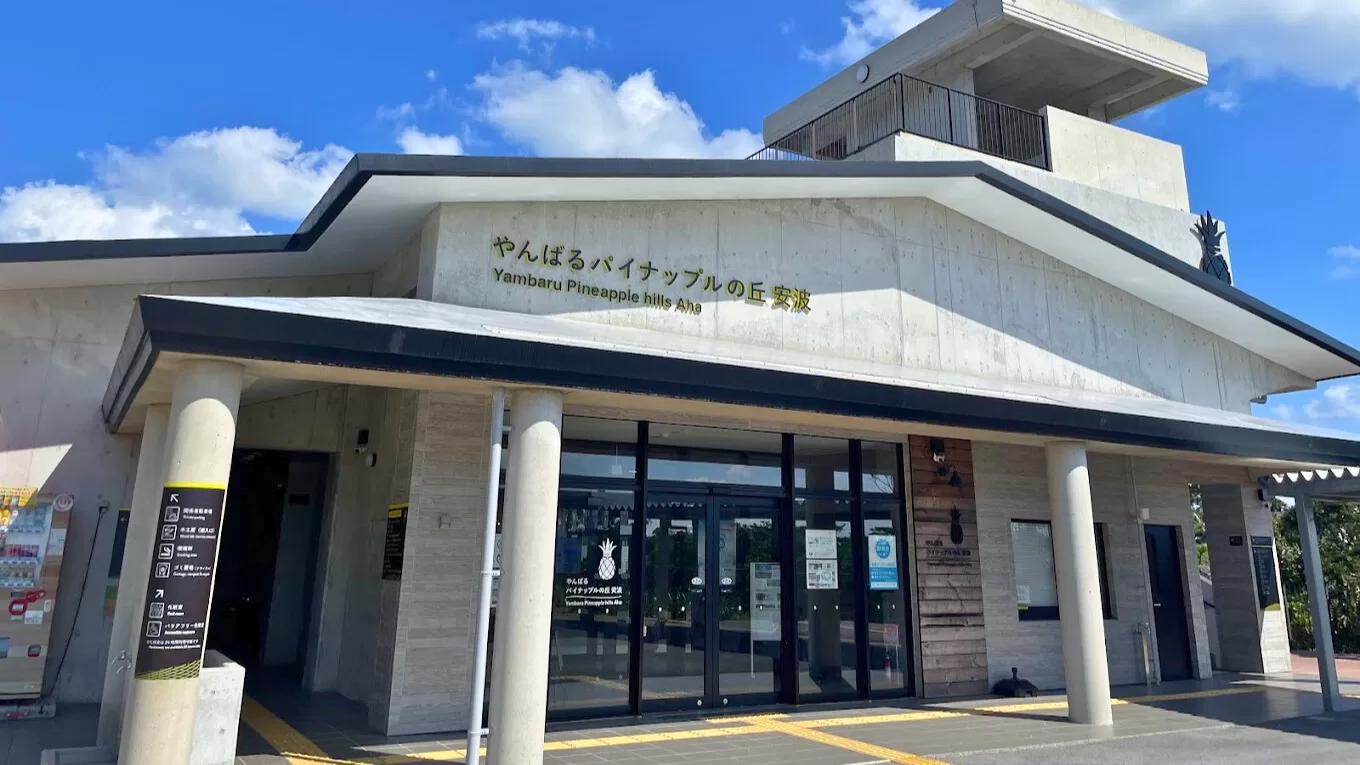
Pineapple country on the wild east side of the north.

Sunrise, pineapples and mangrove country on the east coast.
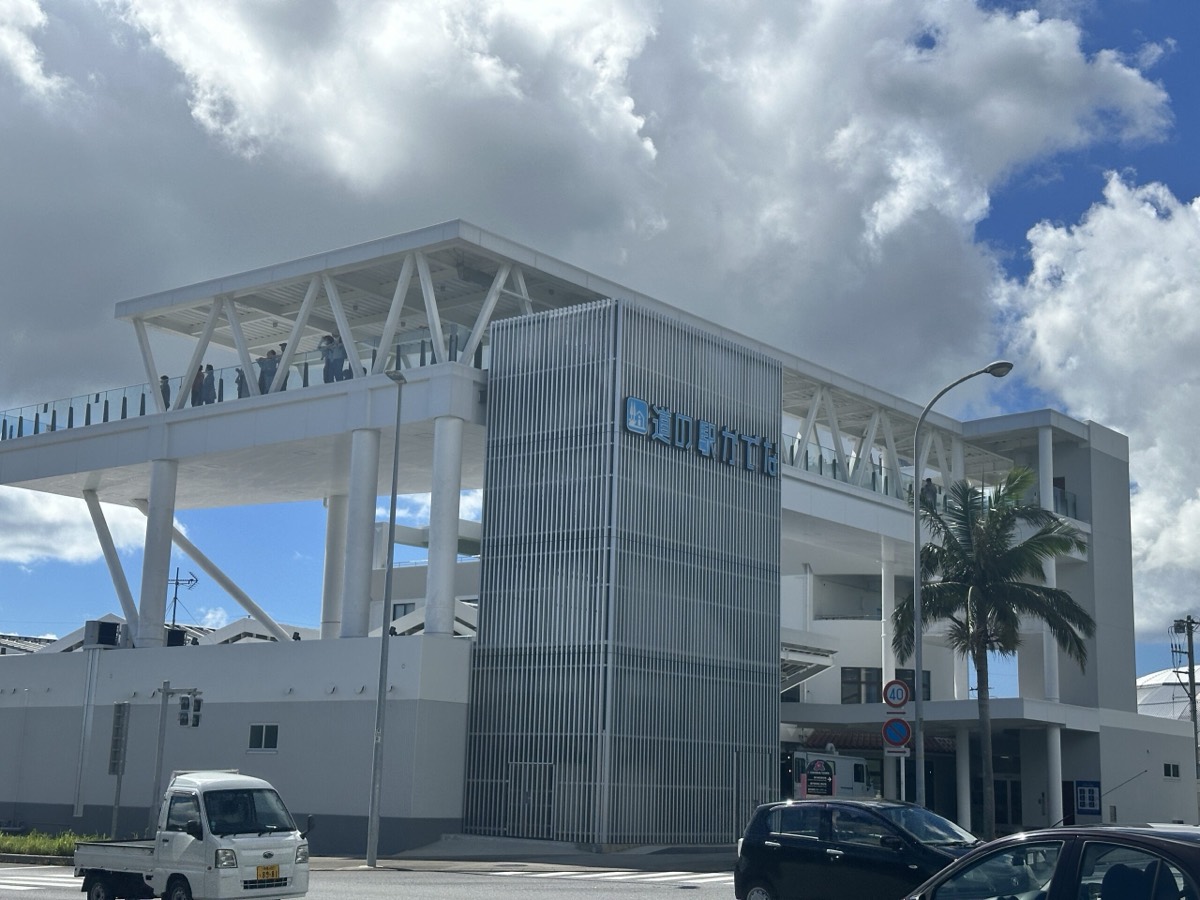
A free deck over the air base, and an award-winning exhibit.

Ten food stalls and mango season on the resort coast.
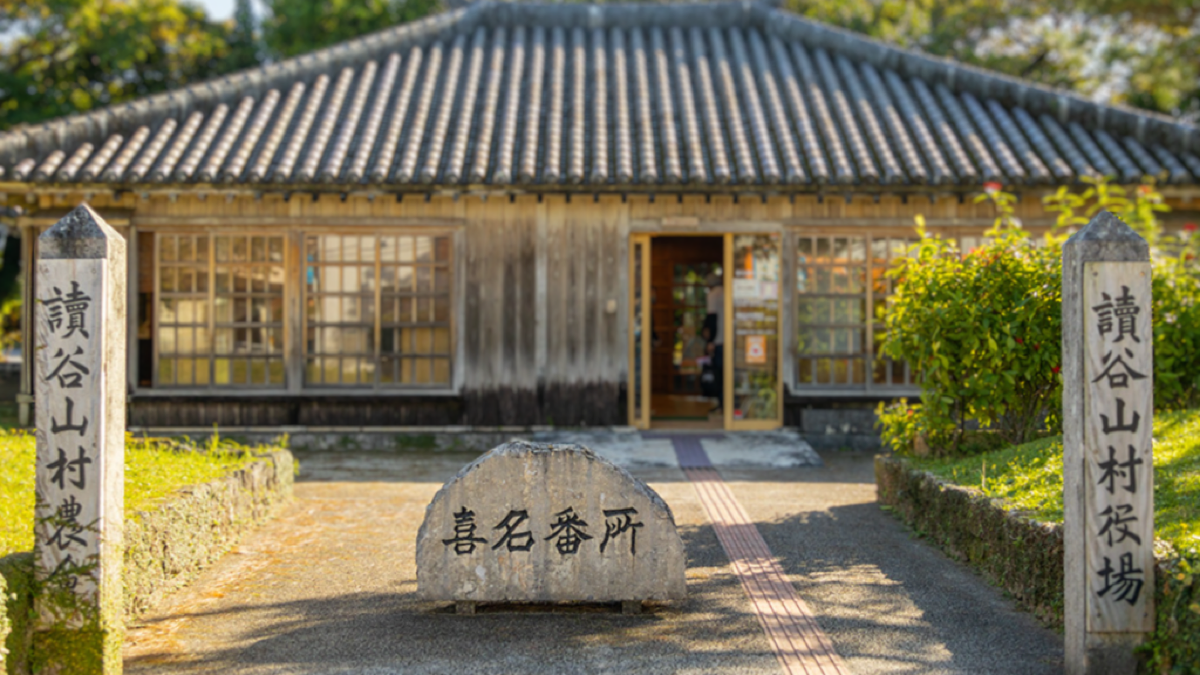
A rebuilt Ryukyu district office that sells nothing at all.

Open until eight, at the gate to the sea road and its islands.

A free water playground and climbing frames on the east coast.
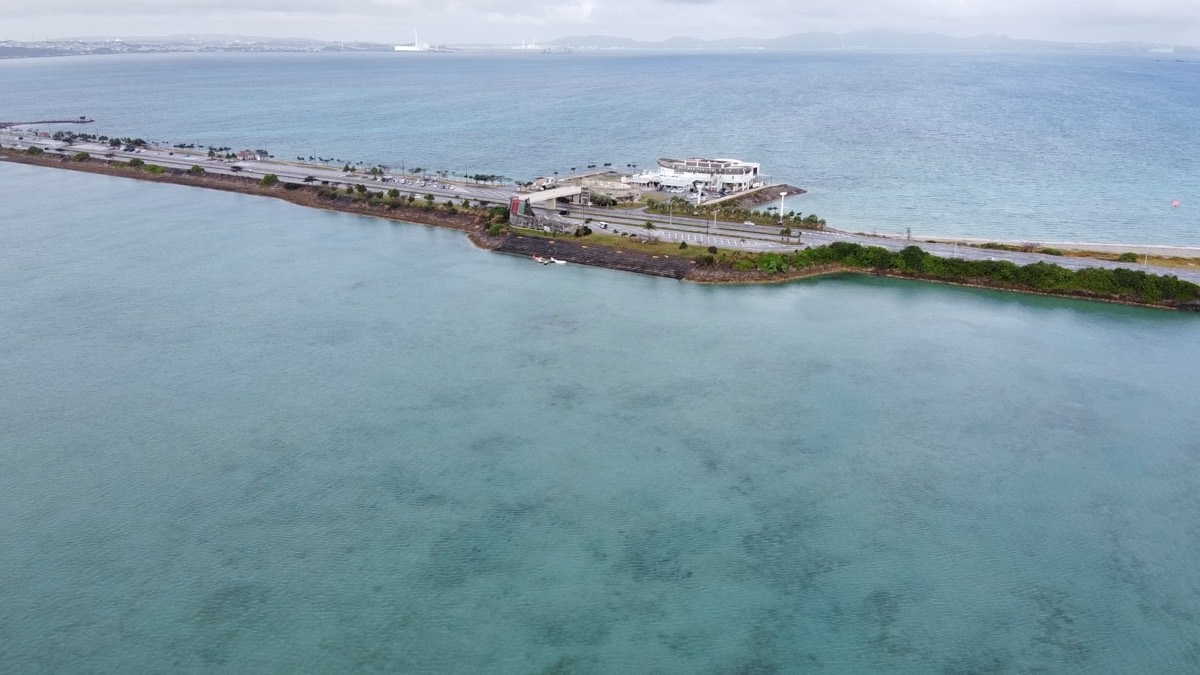
The sea station standing in the middle of the causeway.

Tropical fruit and smoothies, in the middle of the city.
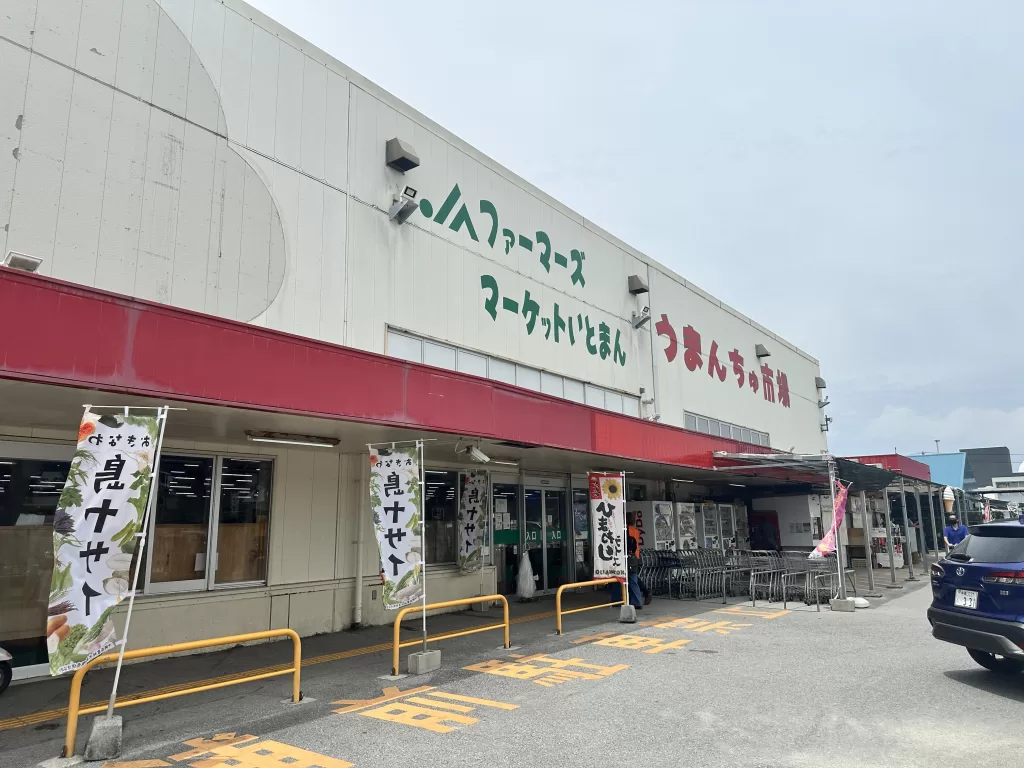
Japan's southernmost station, and a co-op fish counter.
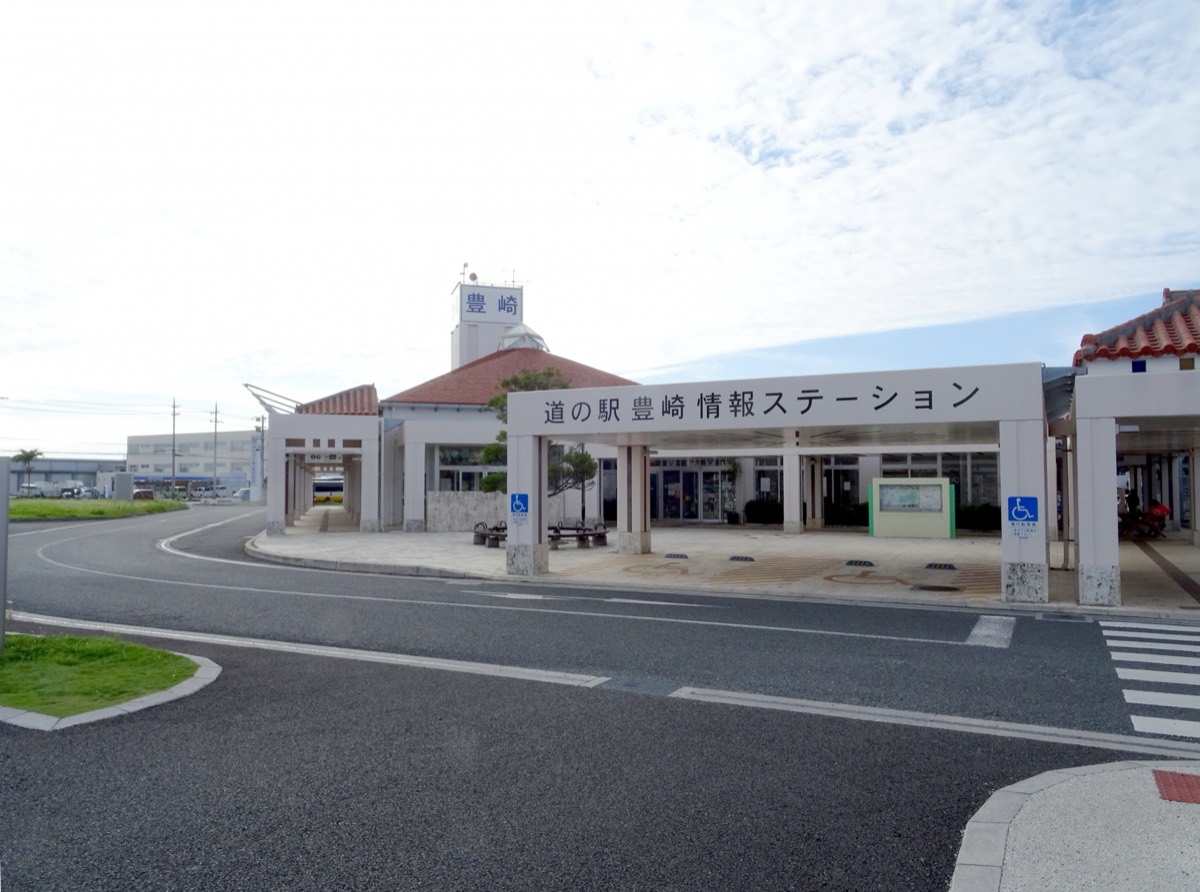
Fifteen minutes from the airport, with the departure board inside.
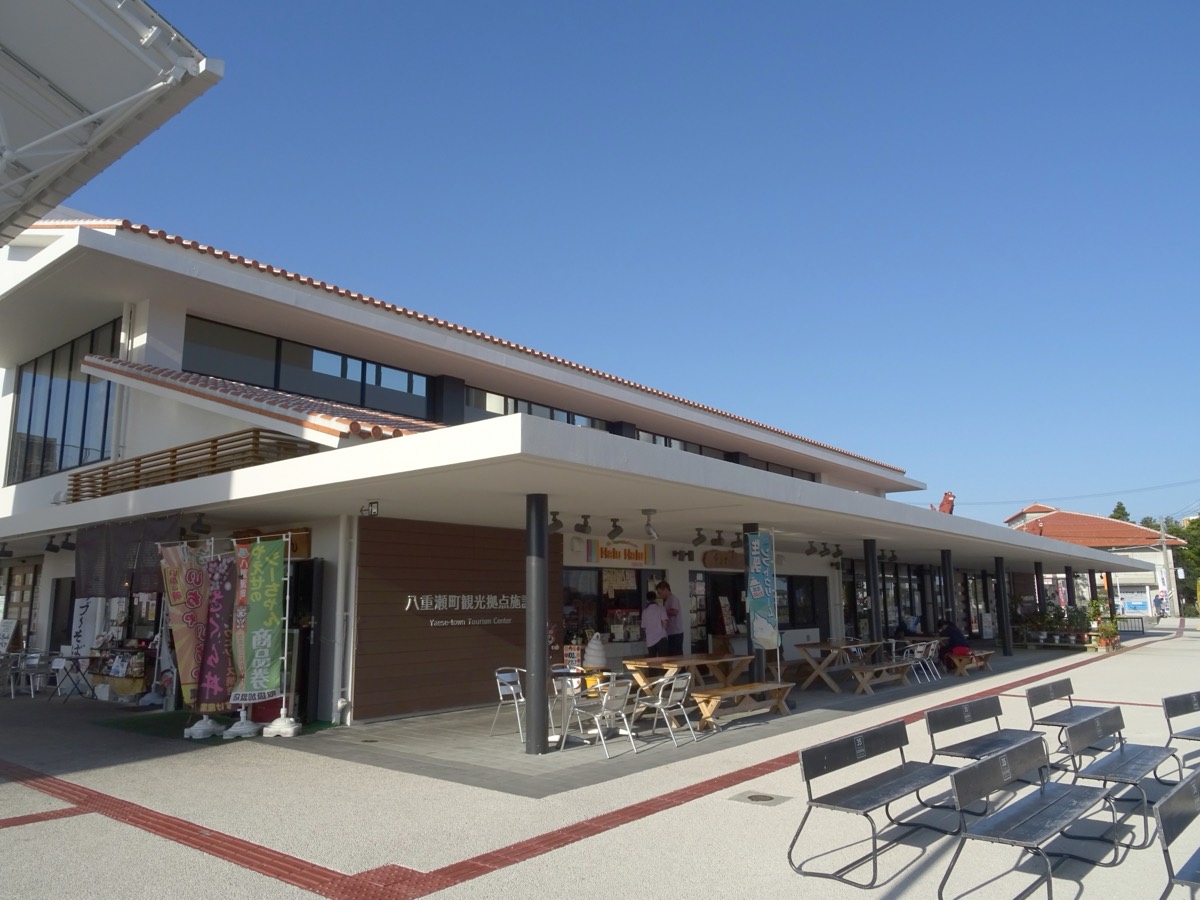
A farm station in the southern hills, strong in mango season.
Rural Okinawa has no street-hail taxis, and calling a Japanese number from a foreign SIM often fails. Three ways that actually work:
Use an app. GO, Japan's main taxi app, works in Okinawa with an English interface. DiDi and Uber cover parts of the island. Install before your trip.
Dial with +81. From a foreign phone, replace the leading 0: 098-XXX-XXXX → +81 98-XXX-XXXX. Wi-Fi calling works too.
Ask the staff. Show them this:
タクシーを呼んでください
Takushī o yonde kudasai