


If you come to Okinawa, there is one spot you must not miss: Kokusai Street! This street, which graces the center of Naha City, is a 1.6-kilometer shopping and gourmet street full of energy.
From souvenir shopping and Okinawan dining to live performances, Kokusai Dori is packed with the “present” and “traditions” of Okinawa! Whether you are a first-time visitor or a repeat visitor, you are sure to discover something new as you walk down Kokusai Dori! Whether you are a first-time visitor or a frequent visitor, you are sure to discover something new as you walk down Kokusai-dori!
- 1 Features of Kokusai Dori
- 2 Basic Information on Kokusai Dori
- 3 How to get to Kokusai Dori
- 4 Charm of Kokusai-dori
- 5 Why you should go to Kokusai Dori
- 6 Culture and history of Kokusai Dori
- 6.1 Prewar Kokusai Dori: Quiet Streets and Ryukyuan Culture
- 6.2 During the war: devastation caused by the Battle of Okinawa
- 6.3 Under U.S. rule: Revival as a miracle mile
- 6.4 After Okinawa's reversion: Revival of local culture and expansion of tourism
- 6.5 Current Kokusai Dori: Coexistence of Tourism and Local Culture
- 7 summary
- 8 Climate and Clothing by Month
- 9 If you want to enjoy Okinawa, get discount tickets online!
- 10 special feature article
Features of Kokusai Dori

Kokusai-dori is the main street of Naha City, a 1.6-kilometer-long downtown area. Both sides of the street are lined with souvenir shops, restaurants, cafes, and local craft stores, loved by locals as well as tourists. The area developed rapidly after the war and is now so vibrant that it is often referred to as the “Miracle Mile.
It is a lively spot that is aptly described as the “heart of Asia.
On the street, there are many stores selling traditional Okinawan handicrafts such as “Yachimun”, “Bingata dyeing”, and “Kariyushi wear” like Aloha shirts, allowing visitors to feel the essence of Okinawan culture.
The Kokusai-dori area is also dotted with historical spots and museums, offering not only shopping but also cultural experiences.
Basic Information on Kokusai Dori

| Location | Matsuo – Makishi, Naha City, Okinawa, Japan |
| Business Hours | Depends on the store, but generally 10:00-22:00 |
| business holiday | Varies by store, but many are open year-round. |
| Access | 5 min. walk from Yui Rail Makishi Station and Miebashi Station |
| Charge | free |
How to get to Kokusai Dori

Access to Kokusai-dori is very convenient. It is easy and recommended to use the “Yui Rail” from Naha Airport. The Yui Rail can be accessed from Naha Airport Station by getting off at either “Makishi Station” or “Miebashi Station”, which is the closest station to Kokusai-dori, and it takes about 5 minutes on foot to reach the street. Buses and cabs are also available from major hotels, and many bus routes also run through the area.
Access by train
- Yui Rail (monorail): Makishi Station and Miebashi Station are the nearest stations.
- About 15 minutes from Naha Airport (about 300 yen one way)
Access by car
- It is about 20 minutes by car from Naha Airport. There are several coin-operated parking lots along the street, but it is recommended to visit early as they are often crowded.
How to choose a car rental without making mistakes! Thorough explanation!

Car Rental
Be careful with cheap rental cars…
A rental car is essential to fully enjoy sightseeing in Okinawa. However, there are several points to consider when choosing a rental car company.
Charm of Kokusai-dori

Kokusai-dori is a place where Okinawan culture and modern commercial facilities are in harmony. Restaurants serving “Okinawa soba” and “goya chanpuru,” representative Okinawan cuisine, as well as trendy sweets such as tapioca and ice cream, are abundant here. The entire street is also illuminated at night, creating a lively atmosphere, especially on summer nights.
In addition, there are spots dotted along the way where visitors can enjoy live performances and sanshin (Okinawan guitar) music, allowing them to experience Okinawan music and dance just by walking along the streets. Strolling itself is an enjoyable experience, whether you are looking for souvenirs, finding handmade handicrafts at a store you wander by, or taking a break at a café.
Why you should go to Kokusai Dori
- Shopping heaven
A wide variety of products ranging from souvenirs to fashion to local crafts are available. In particular, Okinawan-only snacks, sweets and accessories are very popular among tourists! - Enjoy Okinawan food culture
Kokusai-dori is home to many restaurants where you can enjoy Okinawan cuisine. From reasonably priced set menus to slightly more luxurious dinners, there is a wide range of choices. - Rich in entertainment
You can also enjoy Okinawa’s unique entertainment such as sanshin (Okinawan guitar) live performance and eisa (Okinawan folk dance). You will be especially surprised by the performances that suddenly start when you are walking down the street!
Culture and history of Kokusai Dori
Kokusai-dori is a place that cannot be missed when discussing Okinawa’s history. The quiet streets of prewar days, the devastating destruction during the war, the reconstruction and growth under the U.S. rule after the war, and now, the Okinawa of the future are all condensed here.
Here, we will delve deeper into the background of how Kokusai Dori Street has evolved and become an iconic place in Okinawa.
Prewar Kokusai Dori: Quiet Streets and Ryukyuan Culture
Before Kokusai Dori became the commercial street it is today, prewar Naha City was the commercial and cultural center of Okinawa. At that time, the area had a “rural landscape” and was a peaceful place with markets and small stores closely connected with daily life. The area where Kokusai-dori Street is located was not a main street as it is today, but a quiet street where the lives of ordinary people were conducted.
In addition, prewar Okinawa was a land of unique culture that has remained strong since the days of the Ryukyu Kingdom, and Naha was at the center of this culture. As the commercial and trading center of the Ryukyu Kingdom, international culture flowed into Okinawa, which has influenced the current Kokusai Street. At this time, Naha was home to a diverse mix of cultures as trade was actively conducted between East and Southeast Asia.
During the war: devastation caused by the Battle of Okinawa
However, the Battle of Okinawa in 1945 devastated Naha City. As the “last bastion” for the defense of Japan’s mainland, all of Okinawa became a battleground, with the central area of Naha City in particular caught up in the fierce fighting. In an instant, the peaceful prewar streets and the city where Ryukyuan culture was still alive were reduced to rubble. The area where Kokusai-dori Street was located during the war was completely destroyed, and reconstruction was accompanied by many difficulties.
During this period, the whole of Okinawa was in ruins, and lack of supplies and starvation were serious problems. All infrastructure and commercial facilities in Naha City, including Kokusai-dori Avenue, were lost, and residents had to rebuild their lives from scratch.
Under U.S. rule: Revival as a miracle mile
After the Battle of Okinawa in 1945, Okinawa came under U.S. military rule. The reconstruction of Kokusai-dori Street began during this period. Under the influence of the U.S. military, goods and funds flowed in, and the city of Naha was rapidly rebuilt. Kokusai-dori in particular, despite being completely destroyed during the Battle of Okinawa, began to recover as a bustling commercial street only a few years after the war. This astonishing speed of reconstruction is the reason why it is called the “Miracle Mile.
As a result of the strong influence of American culture after the war, movie theaters, cafes, and American-style restaurants opened one after another on Kokusai-dori. At that time, the street was transformed into an international commercial street as a place frequented by American soldiers and foreign tourists. Lined with stores selling goods for the U.S. military and restaurants serving Western cuisine, it became a place of desire for the locals.
At this time, Okinawa’s commerce, while strongly influenced by outside influences, began to merge with local culture. Stores featuring Okinawan-specific foodstuffs and crafts began to increase in number, creating a unique atmosphere where local residents and foreigners coexisted.
After Okinawa’s reversion: Revival of local culture and expansion of tourism
After Okinawa was returned to Japan in 1972, Kokusai-dori Street underwent further changes. While still influenced by American culture, the original culture and traditions of Okinawa were gradually reevaluated, and the street became a popular tourist destination. In particular, the number of souvenir stores and restaurants offering Okinawan cuisine for tourists increased, and Kokusai-dori Street came to function as the gateway to Okinawa tourism.
During this period, there was an active movement to revive traditional Okinawan culture, and traditional performing arts such as eisa, Okinawan dance, and sanshin performances became popular on Kokusai-dori. Many events and festivals were also held to attract tourists, and Kokusai-dori grew into an increasingly diverse tourist attraction.
In particular, the development of historical areas such as Tsuboya Yachimun Street has increased opportunities for tourists to experience traditional Okinawan crafts and history. Traditional Okinawan pottery and crafts, as well as local food culture, are now widely accepted by tourists.
Current Kokusai Dori: Coexistence of Tourism and Local Culture
Today, Kokusai-dori is both a tourist destination and a place that preserves local culture. While many shopping spots and restaurants catering to tourists line the street, there are still markets where local residents gather and places where visitors can experience traditional Okinawan culture.
For example, the Makishi Public Market, located a short walk from Kokusai-dori Avenue, offers fresh local seafood and vegetables, and is a popular place for both tourists and locals to shop. Walking along the street, the sound of sanshin (Okinawan traditional three-stringed instrument) and eisa dance performances can be heard from time to time, reminding us that Okinawa’s unique culture is still alive and well.
summary
Kokusai-dori is a charming spot where the “present” and “tradition” of Okinawa coexist. Not only does it offer an energetic shopping experience and a taste of Okinawan cuisine, it is also a place where history and culture can be experienced. In particular, as the “Miracle Mile” symbolizing the postwar reconstruction, it is a place where local pride and Okinawa’s unique culture are concentrated. Whether it is your first trip to Okinawa or you are a repeat visitor, you will discover something new and fascinating every time you visit Kokusai-dori. We encourage you to take a walk down this energetic street on your next trip to Okinawa!
Climate and Clothing by Month
Okinawa Travel Guide! A thorough guide to travel costs and staycation techniques by time of year


If you want to enjoy Okinawa, get discount tickets online!



special feature article

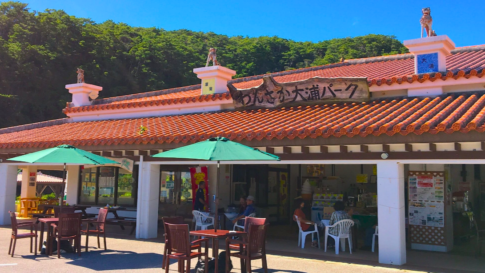
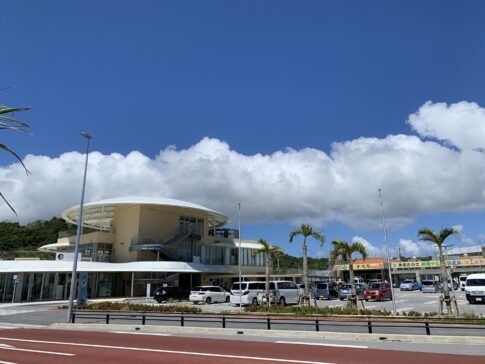
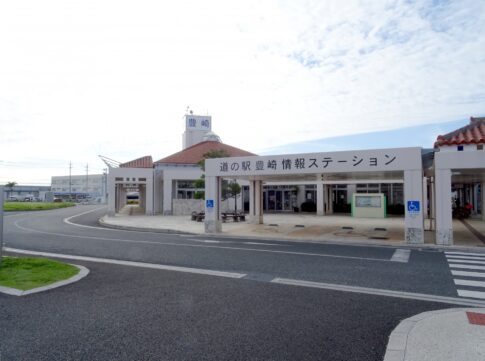
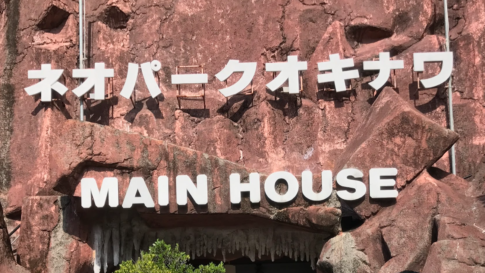
Roadside Stations and Direct Selling Stations Special Feature!
Michi no Eki (Roadside Stations) and direct sales shops in Okinawa are very popular tourist attractions. Each has its own unique characteristics, making them 200% worth visiting! Please visit them!

Special feature on beaches on the main island of Okinawa!
The main island of Okinawa has many wonderful beaches that can only be found in the tropics. We will introduce each of them in an easy-to-understand manner, from the very secluded to the well-serviced executive beaches.

Typhoon Okinawa
We have compiled a list of points to keep in mind when a typhoon approaches so that you can respond without panic before or during your trip. We hope you will find it useful.