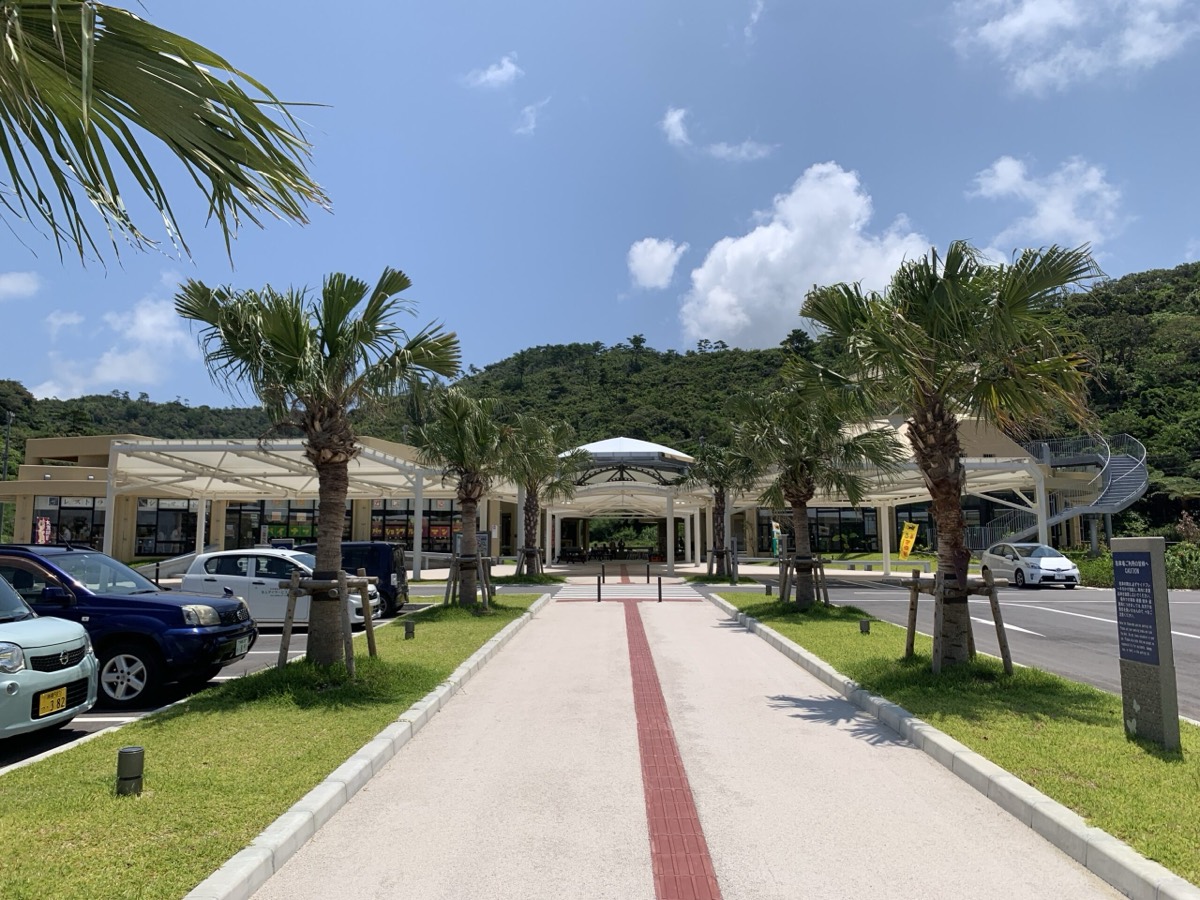
Entry
Free. Shop, café and restaurant on site.
Not a lime, not a yuzu. A 3-centimetre citrus that Okinawa grows almost all of, and that gets cut off the tree before it ripens, for a reason.
Every menu in Okinawa translates it as "Okinawan lime", and that is the wrong idea.
Shikuwasa is its own species: Citrus depressa, called hirami lemon in Japanese, which means flat lemon. The fruit is 3 to 4 cm across and weighs 25 to 30 grams, so it fits inside a closed hand. The juice is sharper than a lime and more perfumed, and the peel carries a bitterness that is part of the point.
Nobody eats it as fruit. It gets squeezed over grilled fish, over sashimi, into awamori, into ponzu. It is a seasoning that happens to be a citrus.
Almost all of Japan's shikuwasa is grown in Okinawa, and roughly 60 percent of the prefecture's crop comes from a single village: Ogimi, in the north, which also happens to be the village that declared itself Japan's longest-living. Annual production runs at about 3,000 to 3,500 tonnes.
The harvest opens with unripe green fruit, and most of the crop is taken this way. The acidity is at its peak, which is what juice and seasoning need. Nobiletin, the flavonoid the fruit is known for, is at its highest in September fruit and decreases as the fruit matures, so the early, sour, green harvest is also the one the health claims attach to.
The factories run. This is the only window in which you can watch fruit actually being pressed rather than a video of it.
Left on the tree, the skin yellows and the sugar comes up. Ripe shikuwasa is sweeter and gentler, sold as eating fruit rather than as juice. Harvest generally finishes around here.
This is the fact that reframes the shelf. When you see "青切り / ao-giri" on a bottle, it is not a brand. It means the fruit was cut green, and it tells you the juice will be sharper and more bitter than one made from ripe fruit.
On nobiletin itself, the sensible position is restraint. It is a flavonoid, and the growers' own material describes effects on blood sugar, blood pressure and metabolism as things that are hoped for rather than established. We are not going to translate that into a health claim, and you should be suspicious of any English page that does.
What is verifiable is the timing: earlier fruit, more nobiletin. That is why the green harvest dominates.
| Form | What it is for |
|---|---|
| 100% juice (原液) | The default. Undiluted, very sour. A splash goes into water, spirits, dressings, or over fish. |
| Ao-giri (青切り) | Pressed from green unripe fruit: sharper, more bitter, higher nobiletin. Most bottles are this. |
| Ponzu | Shikuwasa juice cut with soy and dashi. The one to buy if you cook Japanese food at home. |
| Diluted drinks | Ready-to-drink bottles and cans. Cheaper, and mostly water and sugar. Check the percentage before assuming it is juice. |
| Jam, sweets, dressings | Sold everywhere. Solid, so they travel in the cabin unlike the bottles. |
The honest advice is to taste it first. A glass of shikuwasa juice at Michi-no-Eki Ogimi is ¥200, which is a much cheaper way to discover you do not like it than a ¥1,430 bottle you carry home and never open. It is a genuinely sour, genuinely bitter drink and it does not suit everyone.
Prices for the same bottle vary widely between the maker's own shop, farm markets, supermarkets and airport concessions. The ¥1,430 above is the manufacturer's figure and is the number to judge the others against.
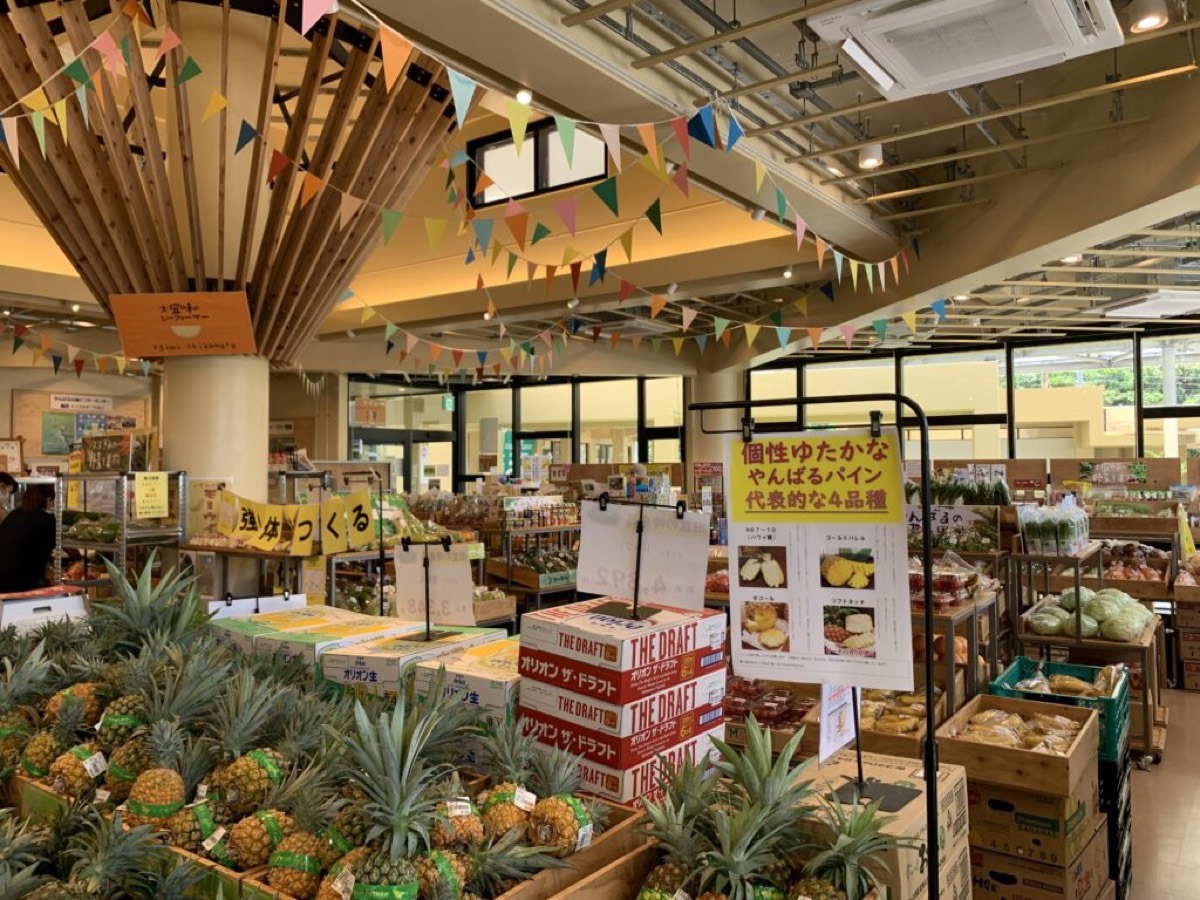
Supermarkets carry the mainstream brands at ordinary grocery prices; farm markets and roadside stations carry small-producer bottles you will not see elsewhere, usually for cash. Which supermarket chain to use →
Ogimi Shikuwasa Park, in the village that grows most of the fruit, is free to enter. The factory tour runs through glass over the pressing line, takes about 15 minutes, and needs no reservation. Groups of 15 or more are asked to book.
Between September and November you see the actual pressing. Outside that window you get a video walkthrough instead, which is worth knowing before you drive an hour and a half north for it.
Free. Shop, café and restaurant on site.
The length of the factory tour. No booking needed.
Outside these months the tour shows a film of the pressing.
Shikuwasa juice is a liquid. On an international flight that means bottles over 100 ml cannot go in your hand luggage. They have to be in a checked bag, and a 500 ml bottle is five times the limit.
This sounds obvious written down, and it still catches people who buy a bottle at the airport shop after security assuming that makes it fine. It does, on that flight, but not if you have a connection where you re-clear security, which is most routes out of Okinawa that are not direct.
The practical rule: buy the bottles on a day you are checking a bag, and leave the cabin for things that are solid.
Juice, ponzu, dressings: any bottle over 100 ml.
Jam, sweets, dried peel, and yukishio salt, which is a solid.
One more thing worth timing. From 1 November 2026 Japan switches to a refund model for tax-free shopping: you pay the tax in the shop and get it back only after customs confirms at the airport that the goods are leaving.
For a bottle of juice that is a small sum, but the same reform abolishes the sealed bag on food and drink bought tax free, which currently means you cannot open it before you leave the country. After November the bottle is no longer sealed shut. Drinking it here still costs you the refund, though, because goods consumed in Japan cannot pass the customs check. What changes on 1 November →
Note also that most farm markets and roadside stations are not registered tax-free shops at all, so the question usually does not arise where the best bottles are.
No. It is Citrus depressa, a separate species, known in Japanese as hirami lemon, or flat lemon. It is much smaller than a lime, more floral, and more bitter in the peel. Lime is a workable substitute in a drink and a poor one over fish.
Because it is picked before it ripens. Most of the crop is cut green from around September, when acidity is highest and nobiletin content is at its peak. The flavonoid declines as the fruit matures. Left alone the fruit yellows and sweetens.
¥1,430 for 500 ml of 100% juice at the manufacturer's own price, with a 180-day shelf life. Try a ¥200 glass at Michi-no-Eki Ogimi first. It is very sour and it does not suit everyone.
No. Over 100 ml of liquid has to be checked. If you are flying home with a connection, buying after security does not solve it. Salt and sweets can ride in the cabin; bottles cannot.
It contains nobiletin, a flavonoid, and the growers describe hoped-for effects on blood sugar, blood pressure and metabolism. That is not the same as a proven health benefit and we are not going to present it as one. Treat pages that promise more with suspicion.
Yes. Ogimi Shikuwasa Park is free to enter and its 15-minute tour looks over the pressing line through glass, with no reservation needed. Come between September and November if you want to see fruit actually being pressed.