The scaling option
Chinsuko is the only thing here that gets cheap per head. One ¥1,620 box is 24 sealed packets, enough for an office, a class, or a street. Five flavours in one box also removes the need to choose.
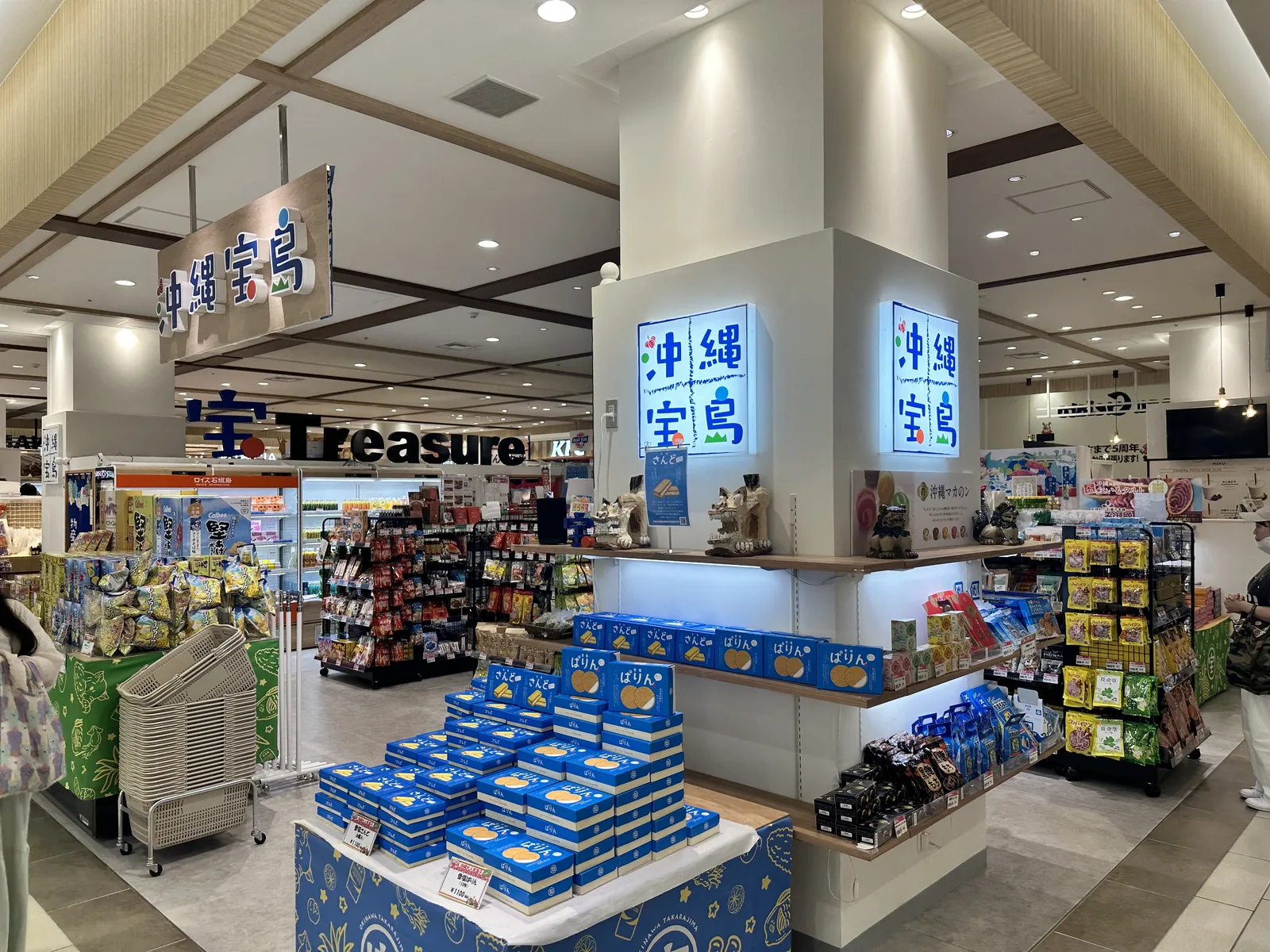
A box of 48 chinsuko works out at ¥34 a biscuit and lasts 70 days. A box of six tarts is ¥216 each and lasts 30. Nobody tells you this until you are at the airport.
English has no good word for what these boxes are.
"Souvenir" suggests a keepsake: a magnet, a t-shirt, something that goes on a shelf and stays there. The Japanese omiyage is a different object entirely. It is bought on behalf of the people who did not come, and its whole design assumes it will be broken up and distributed: to an office, to neighbours, to whoever covered your shifts.
Once you see that, the packaging stops looking like waste and starts looking like engineering. Everything is sealed in twos so a single serving can be handed over without touching the food. Box counts land on numbers that divide evenly. Shelf lives run long enough to survive a flight and a week of waiting for everyone to be in the same room.
Which means the questions that decide a good purchase are not about flavour. They are how many people, how long until you hand them out, and what those people cannot eat.
| Box | Price | Pieces | Per piece | Keeps |
|---|---|---|---|---|
| Chinsuko, 5-flavour assortment (large) | ¥1,620 | 48 (24 sealed pairs) | ≈ ¥34 | 70 days |
| Yukishio chinsuko, bag | ¥486 | 16 (8 pairs) | ≈ ¥30 | 70 days |
| Yukishio chinsuko, small box | ¥810 | 24 (12 pairs) | ≈ ¥34 | 70 days |
| Yukishio sando | ¥1,200 | 6 | ≈ ¥200 | 240 days |
| Beni-imo tart | ¥1,296 | 6 | ≈ ¥216 | 30 days |
| Beni-imo tart, larger box | ¥2,160 | 10 | ≈ ¥216 | 30 days |
Chinsuko is the only thing here that gets cheap per head. One ¥1,620 box is 24 sealed packets, enough for an office, a class, or a street. Five flavours in one box also removes the need to choose.
Yukishio sando keeps eight months. If you are the sort of person who finds the gift bag in a cupboard in November, this is the one that survives it.
Beni-imo tart keeps 30 days from manufacture, not from purchase. Buy it late in the trip, check the printed date, and hand it out in the first fortnight home.
Most visitors buy backwards. They pick a sweet they liked, then wonder whether there is enough of it. Do it the other way round. Write down the number of people, then choose the format that covers them.
The mistake worth avoiding is buying eight premium six-packs when two large chinsuko boxes would have covered the same people for a third of the money, and been easier to carry.
Weight matters too. Boxed sweets are light but bulky, and a suitcase fills up faster with cardboard than you expect. Bags rather than boxes save space if presentation is not the point.
And all of this is solid, so unlike shikuwasa juice it can travel in the cabin.
This is the part English souvenir guides skip entirely, and it is the one that can actually go wrong. You are handing packaged food to colleagues and neighbours, and the labelling is in Japanese.
| Item | Declared |
|---|---|
| Beni-imo tart | Wheat, egg, dairy. The maker also notes that its Yomitan factory produces items containing peanuts, and that this factory is the usual source. |
| Yukishio sando | Wheat, egg, dairy, almond, soy. |
| Chinsuko | Traditionally flour, lard and sugar. Check the individual box. Flavoured versions add ingredients. |
If you are buying for a group whose allergies you do not know, the shared-production-line note on the tarts is worth taking seriously. Nut traces are the most common reason a well-meant food gift cannot be eaten.
Photograph the ingredients panel before you throw the outer box away. It is the only record that travels with you.
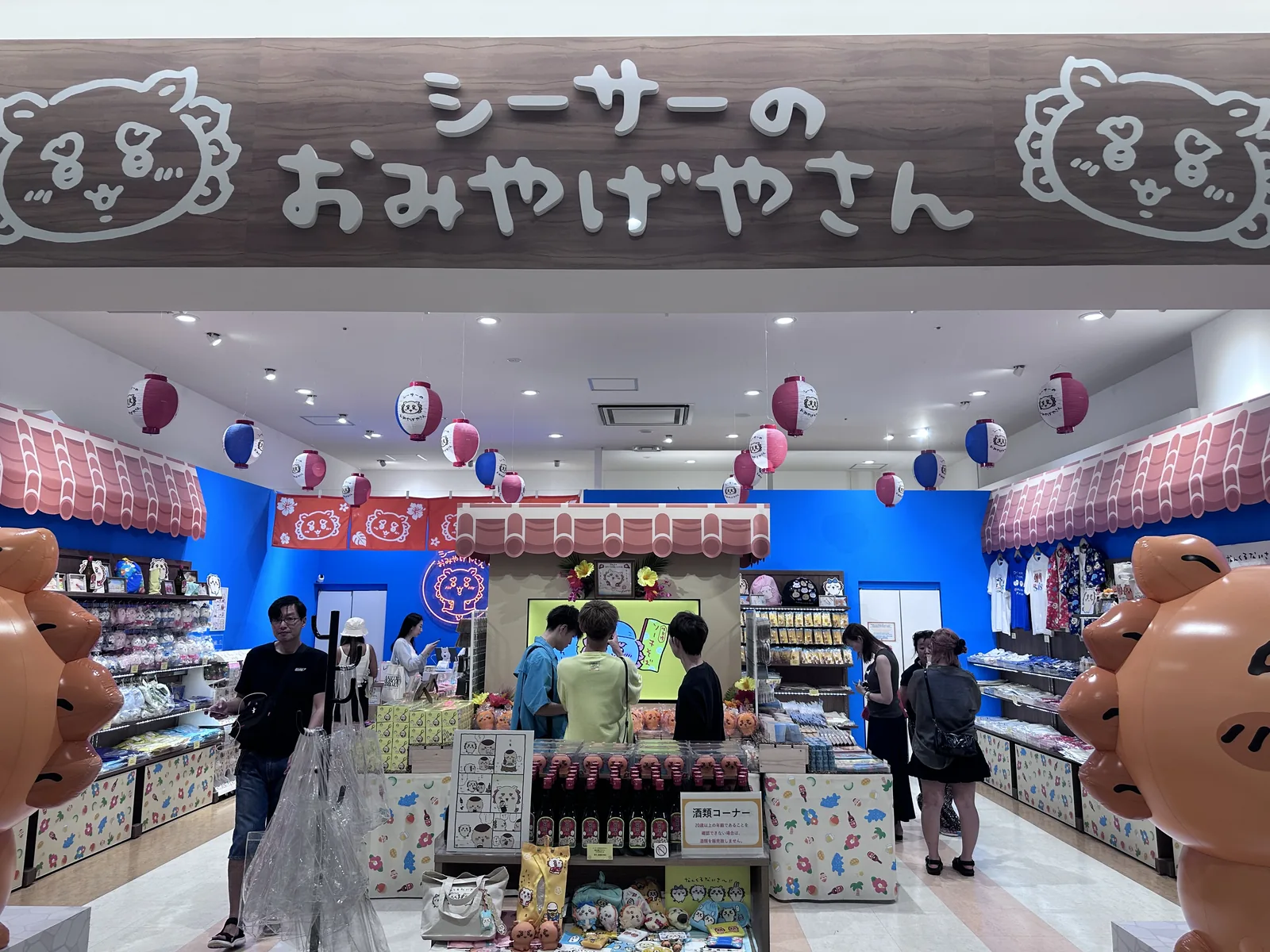
The commonest mistake with Okinawan souvenirs is not picking the wrong thing. It is picking the right thing on the wrong day. People hunt on day one for something sold only at the airport, buy chilled cakes before three days of driving, or pick up the heavy brown sugar first and carry it around for the rest of the trip.
Settle the order and the choosing takes care of itself.
Baked sweets, salt, coffee, seasonings. Nothing here needs a fridge or a rush.
But leave the heavy items until last. Brown sugar, salt and anything in glass will otherwise ride around in the boot for three days. Bottles also have to go in checked baggage.
Chinsuko, Jagariko in taco rice flavour, Ajikame rice crackers, Okiko ramen.
The same products are usually cheaper in a supermarket than in a tourist shop. San-A and Kanehide have branches everywhere on the island. Which chain is which.
Beni-imo Rare Cake Shuri and Manhattan no Koi Petit are sold at Naha Airport and nowhere else. Looking for them on Kokusai-dori is a wasted hour.
Both are made by Festivalo and need refrigeration, as do Blue Seal ice cream and sorbet, so they belong at the end of the trip regardless.
Candy floss, canelés and anything tart-shaped come out of a suitcase a different shape from the one they went in.
Keep one carrier bag free to hold by hand. That single decision saves more boxes than any amount of careful packing.
A list of forty names is not a choice, only a wall of text. So here is the shelf as photographs instead, each with a rough price band and one line saying what it is. Prices move between the airport, the malls and the supermarkets, so read the bands as a guide rather than a quote.
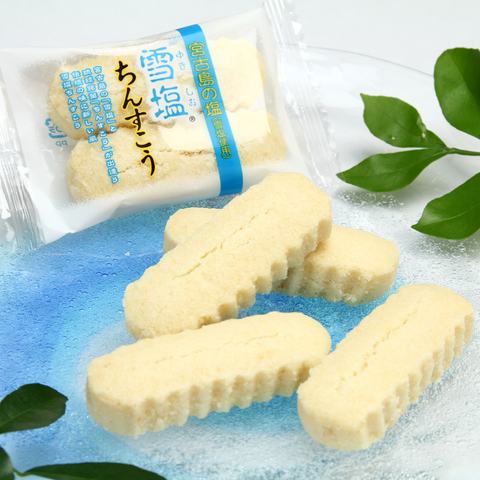 Yukishio chinsukoup to ¥1,300
Made with Miyakojima yukishio salt. Wrapped in pairs, keeps a long time, the default choice for handing out.
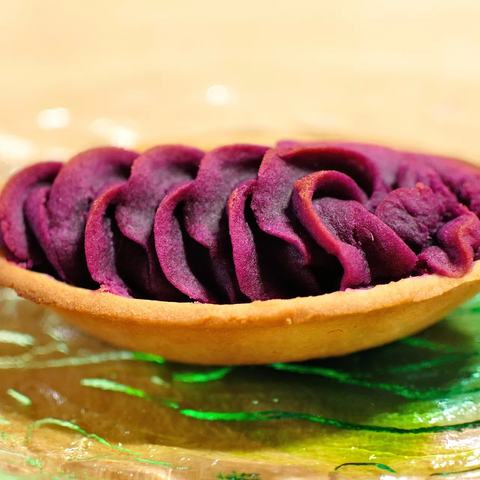 The original beni-imo tartup to ¥1,600
Okashi Goten. 100% Okinawan beni-imo, no preservatives and no colouring.
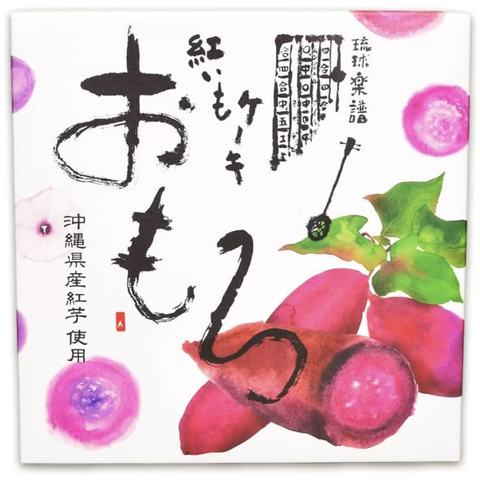 Omoroup to ¥1,400
Beni-imo, golden sweet potato or shikuwasa paste with cream cheese, baked in pastry.
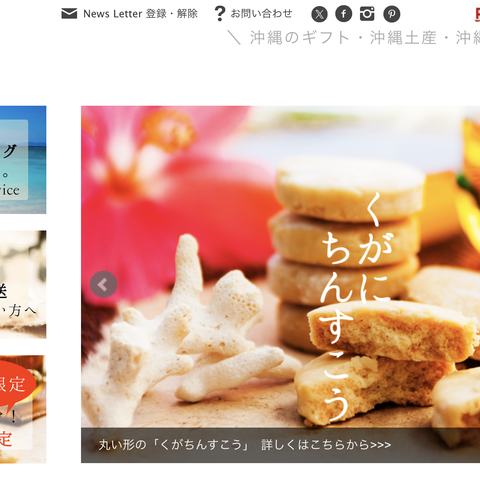 Kugani chinsuko Premiumup to ¥2,100
Kugani Kashi Honten. For when the gift has to look properly chosen.
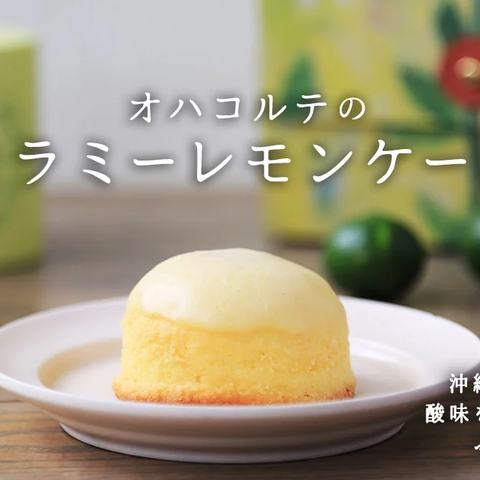 Hirami lemon cakeup to ¥1,800
Ohacorte. Chill it and the icing turns crisp.
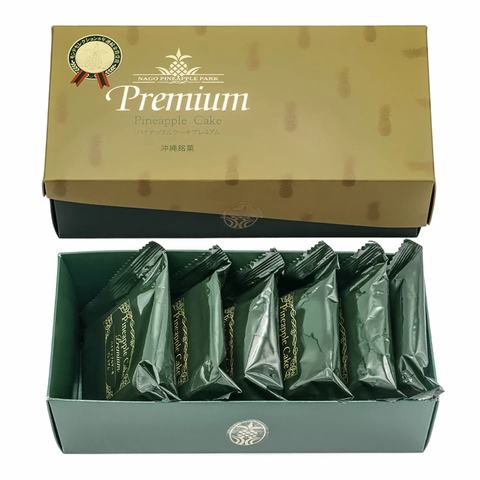 Pineapple cake Premiumup to ¥2,600
A pound cake worked through with the juice and flesh of ripe pineapple.
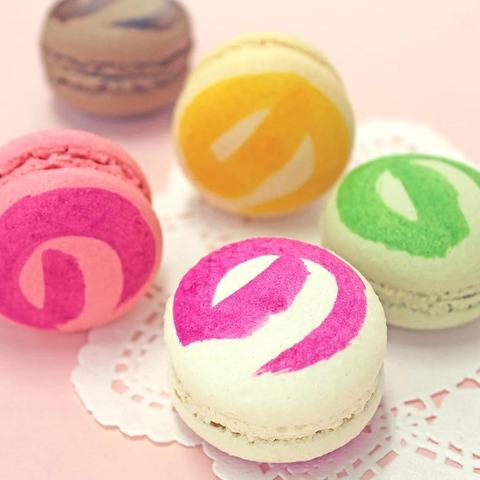 Makanonup to ¥1,400
Macarons made with Okinawan ingredients.
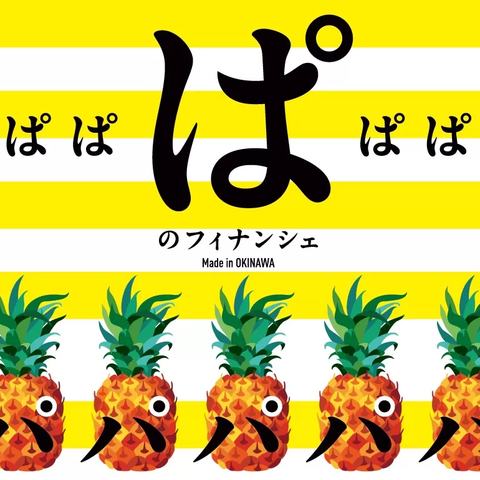 Pano financierup to ¥1,500
Baked sweets on the soft, moist side.
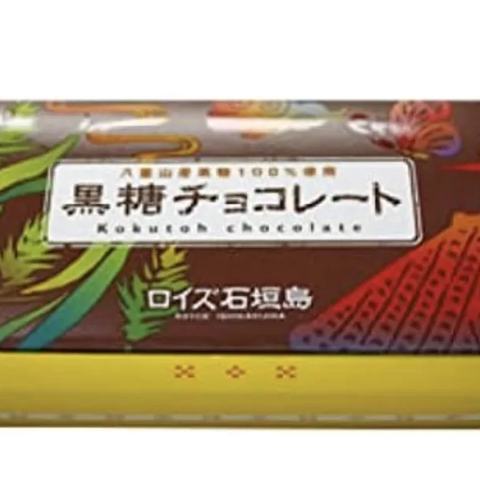 Royce' Ishigaki Island brown sugar chocolateup to ¥1,400
The individual wrappers are printed with shisa and hibiscus.
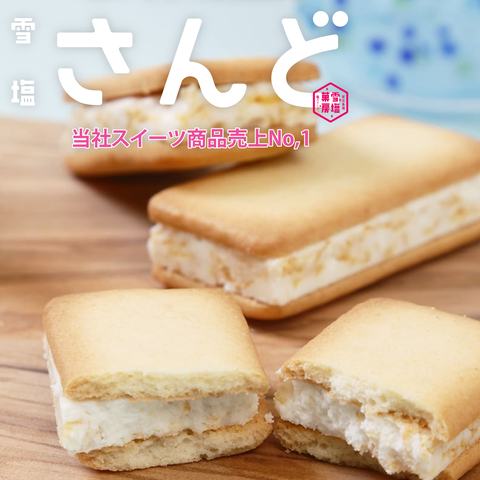 Yukishio sandoup to ¥2,100
White chocolate made with yukishio salt, sandwiched between biscuits.
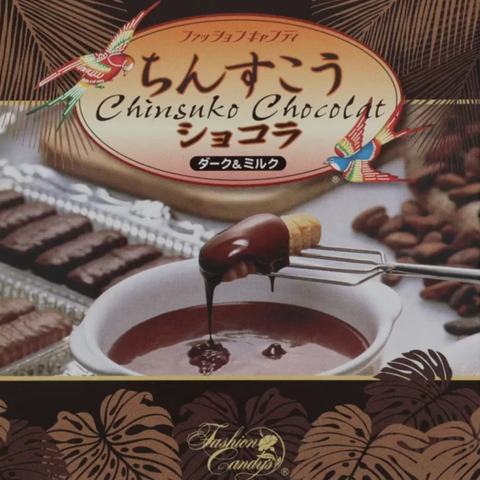 Chinsuko chocolatup to ¥900
Chinsuko biscuits coated in chocolate.
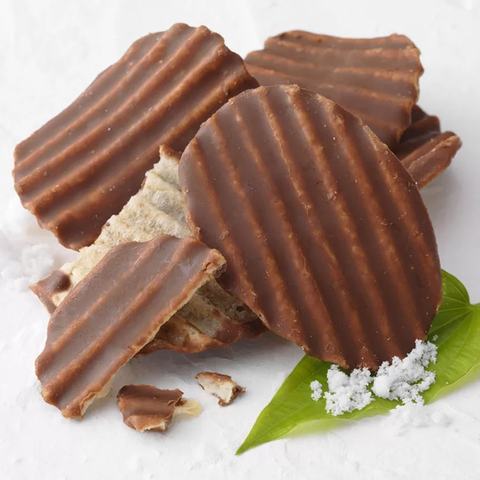 Royce' Ishigaki Island potato chip chocolateup to ¥900
Ishigaki salt. Works for people who do not much like sweet things.
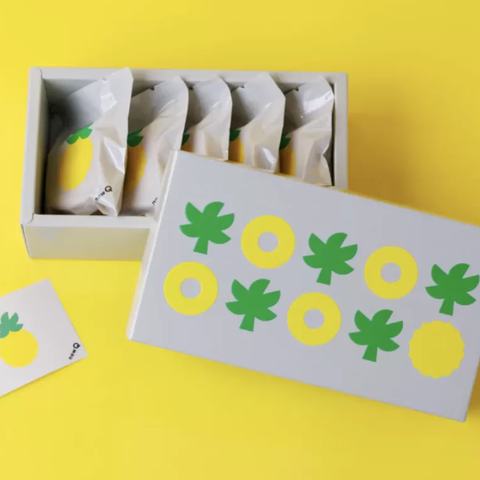 newQ tartup to ¥3,000
Pineapple, mango and brown sugar in three layers.
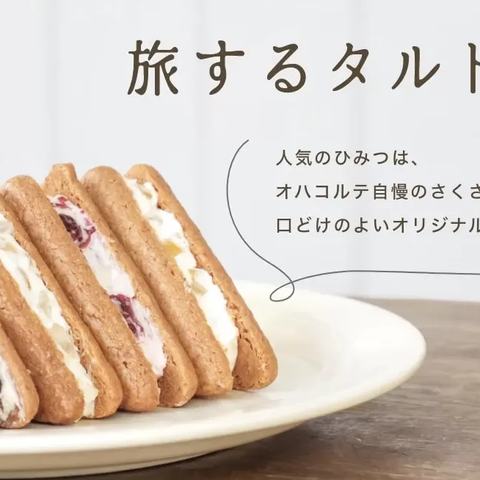 Tabisuru tart sandoup to ¥3,000
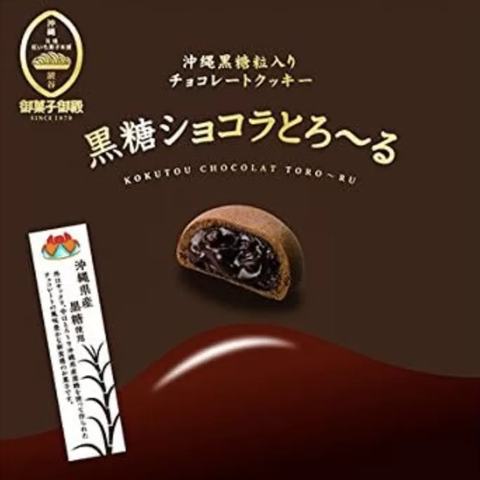 Brown sugar chocolat rollup to ¥1,300
A roll cake made with Okinawan brown sugar.
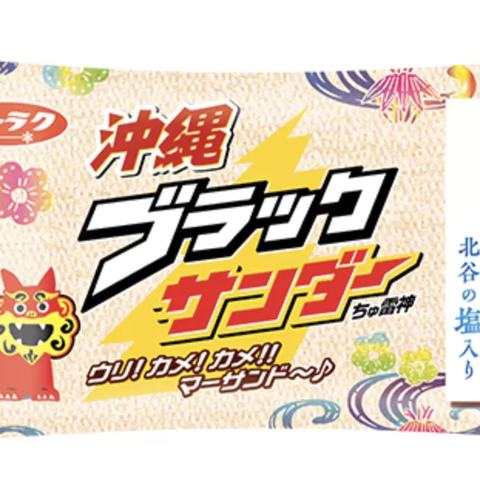 Okinawa Black Thunderup to ¥1,500
An Okinawa-only flavour. The one to reach for when you need numbers.
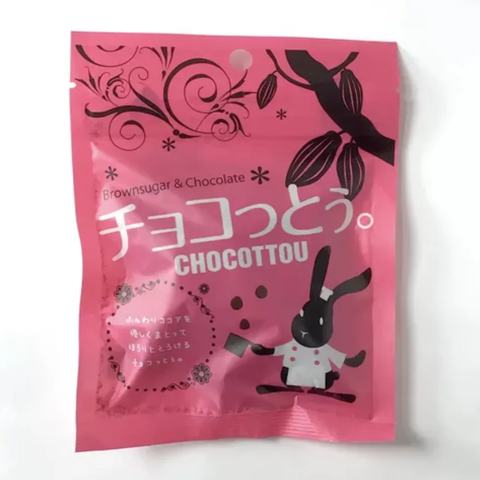 Choco-touup to ¥200
A small bag of brown sugar coated in chocolate.
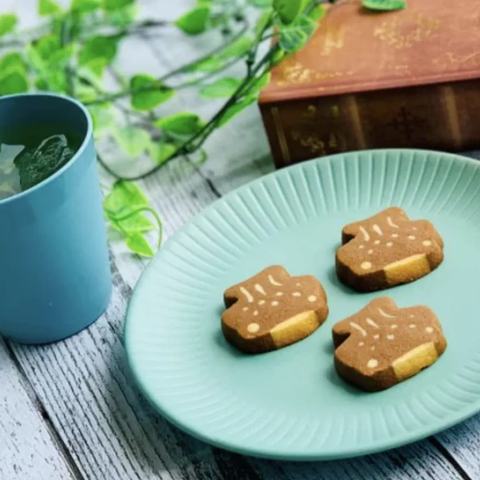 Whale shark bite-size cookiesup to ¥600
The one to hand out to children.
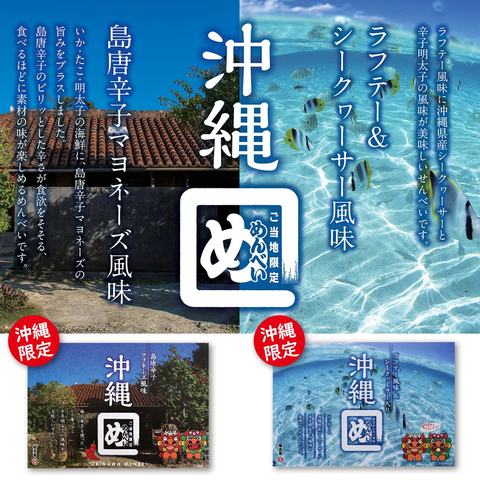 Okinawa Menbeiup to ¥900
Okinawa-only flavours, including rafute pork and shikuwasa.
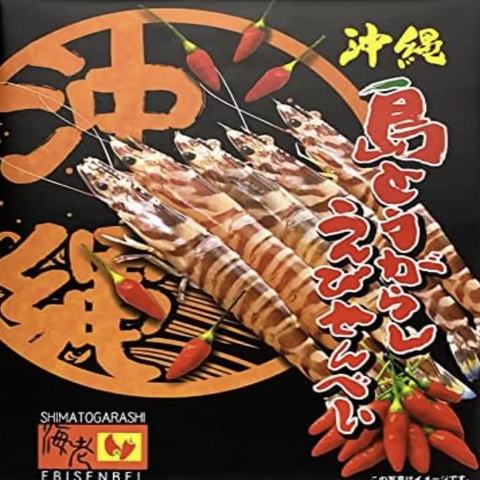 Island chilli prawn crackersup to ¥1,200
Toasted prawn first, then the island chilli arrives.
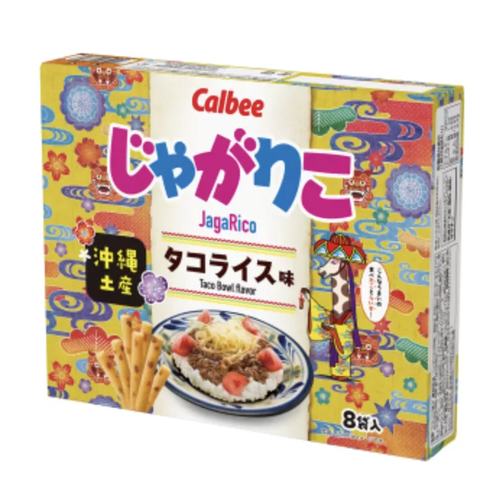 Jagariko, taco rice flavourup to ¥1,000
An Okinawa-only flavour.
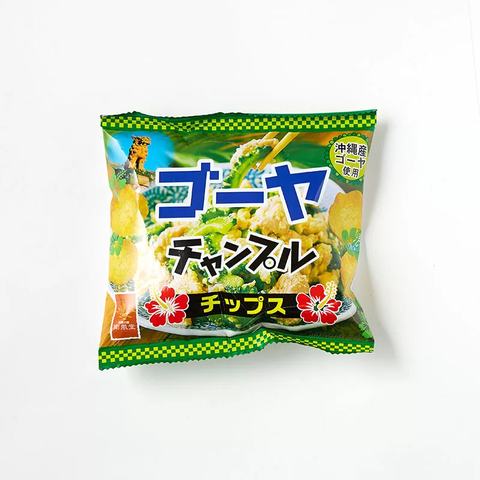 Goya champuru crispsup to ¥200
The lightest thing here to hand round.
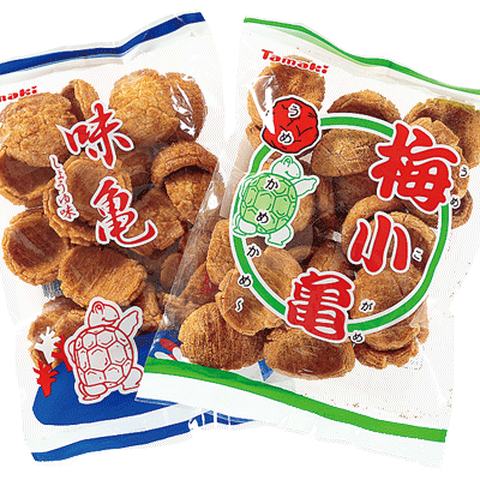 Ajikame rice crackersup to ¥200
What people here actually snack on, in the ¥100s.
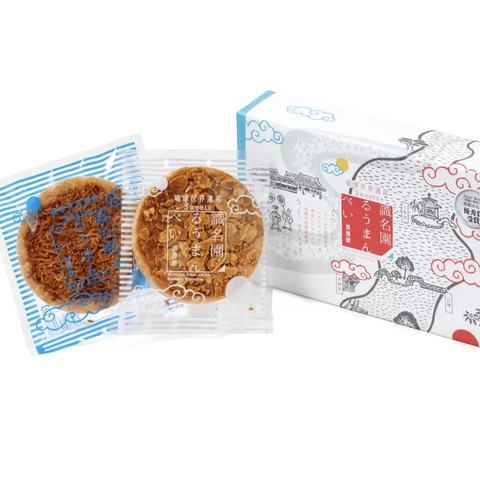 Roumanpeiup to ¥1,500
Salt senbei rebuilt as a sweet, with caramelised nuts.
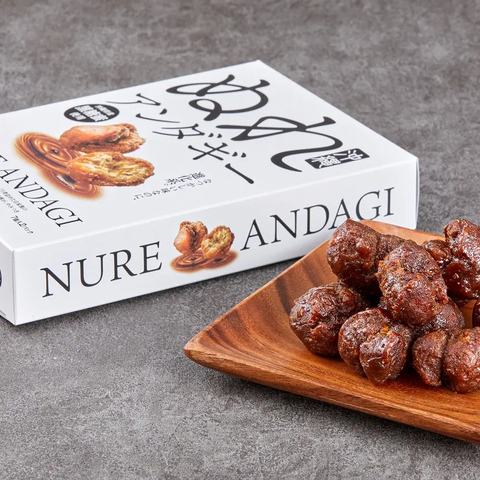 Okinawa nure andagiup to ¥1,300
Sata andagi on the soft, moist side.
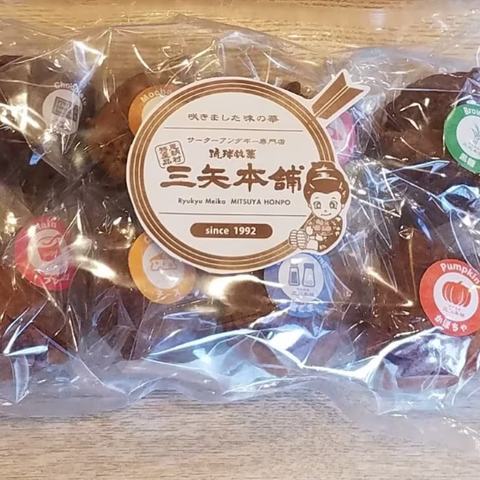 Mitsuya Honpo sata andagiin the ¥100s each
Mitsuya Honpo. Fried as you wait, and sold on Kokusai-dori too.
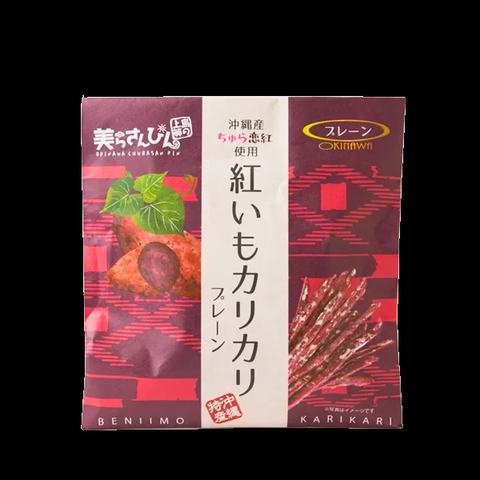 Beni-imo karikariup to ¥500
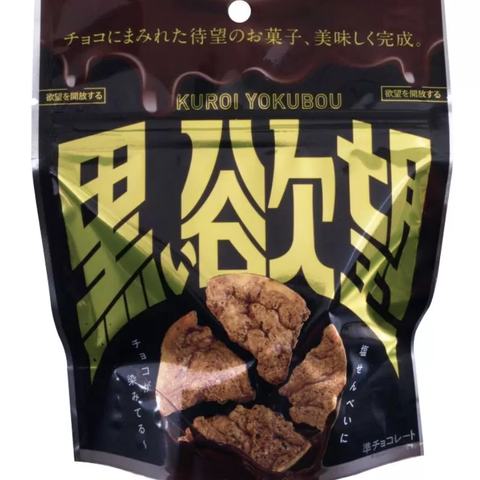 Kuroi Yokubo, “black desire”up to ¥300
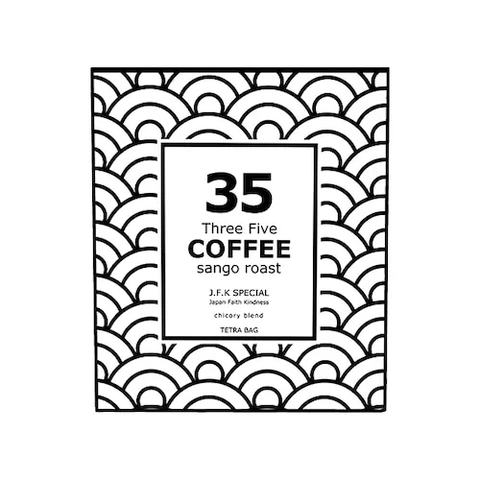 35COFFEEup to ¥1,100
35COFFEE. Roasted over bleached coral, with 3.5% of sales replanting coral.
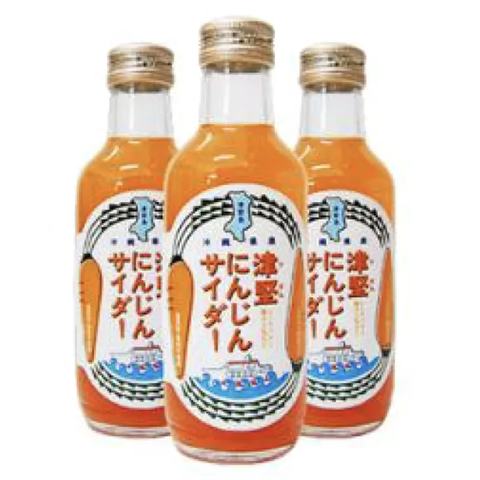 Tsuken carrot sodaup to ¥600
Carrot puree from Tsuken Island, cut with shikuwasa so it stays sharp.
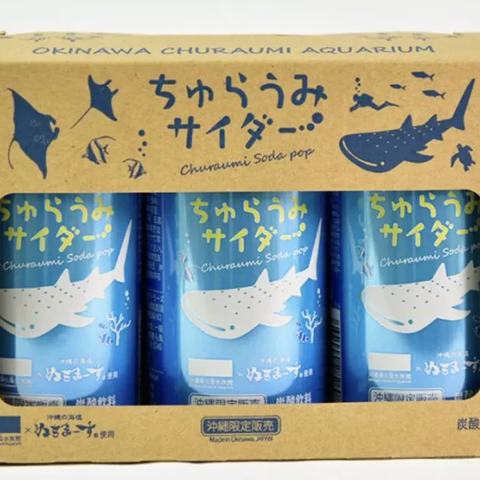 Churaumi sodaup to ¥200
A small gift that takes up almost no room.
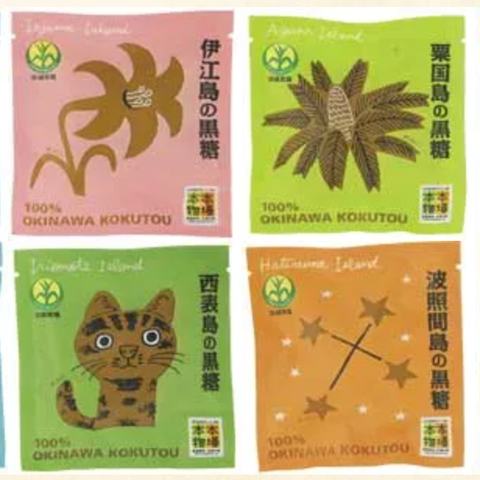 Yashima brown sugarup to ¥1,300
Brown sugar from eight islands, side by side.
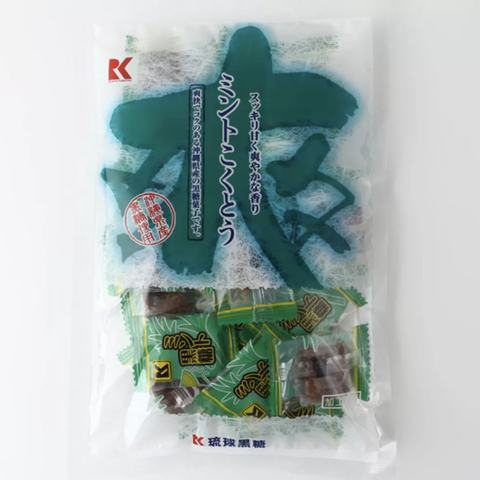 Mint brown sugarup to ¥400
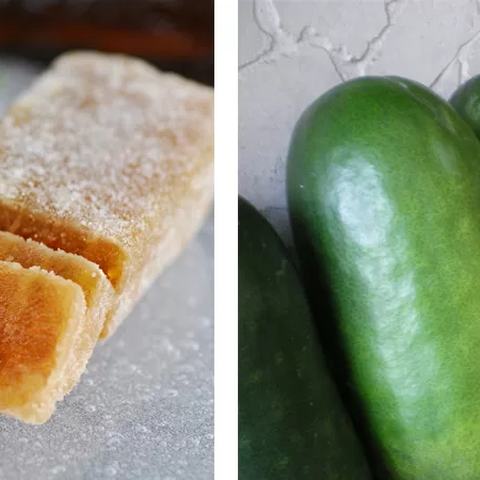 Kippanfrom ¥600 each
A citrus sweet carried down from the Ryukyu court. Dear, from the ¥600s a piece, but in a class of its own.
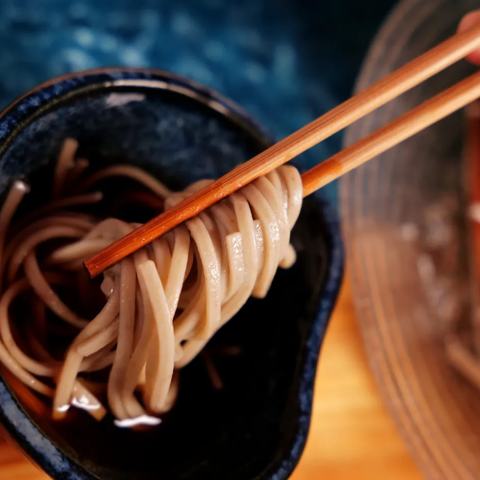 Mozuku udonup to ¥800
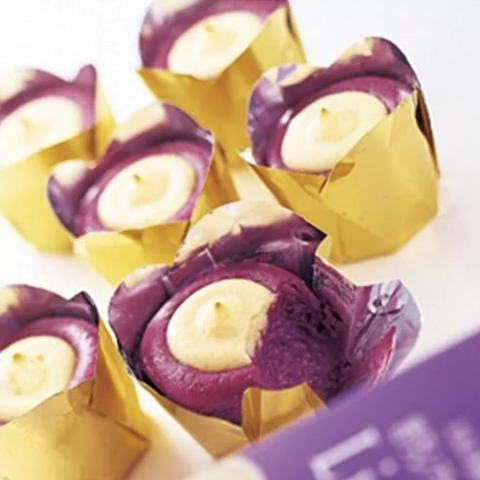 Beni-imo Rare Cake Shuriup to ¥2,600
Sold by Festivalo at Naha Airport. Two layers, beni-imo and golden imo.
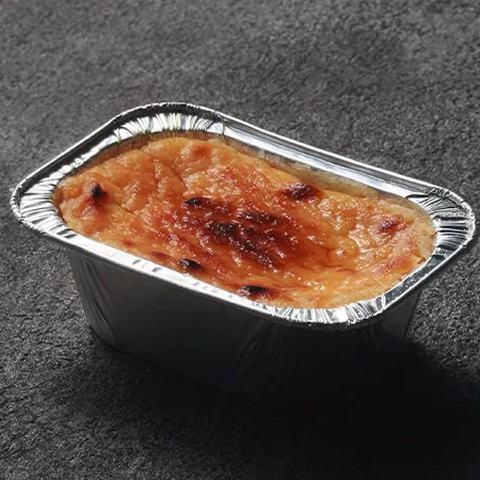 Manhattan no Koi Petitup to ¥2,000
PUZO's cheesecake, in an airport-only size you can finish in one go.
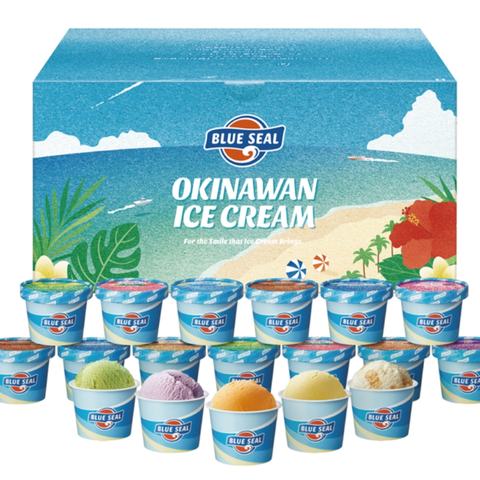 Blue Seal ice creamup to ¥4,000
At the airport and at shops across the island. Gift sets can be posted.
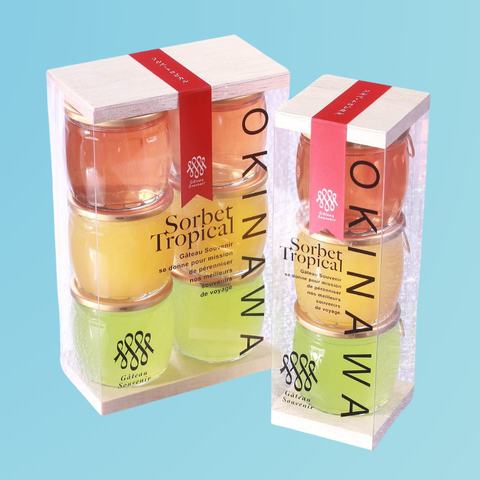 Sorbet Tropicalup to ¥600
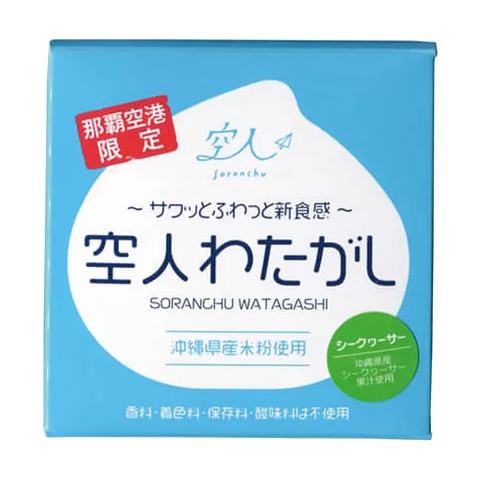 Soranchu candy flossup to ¥600
The look is the whole point. It crushes easily, so carry it by hand.
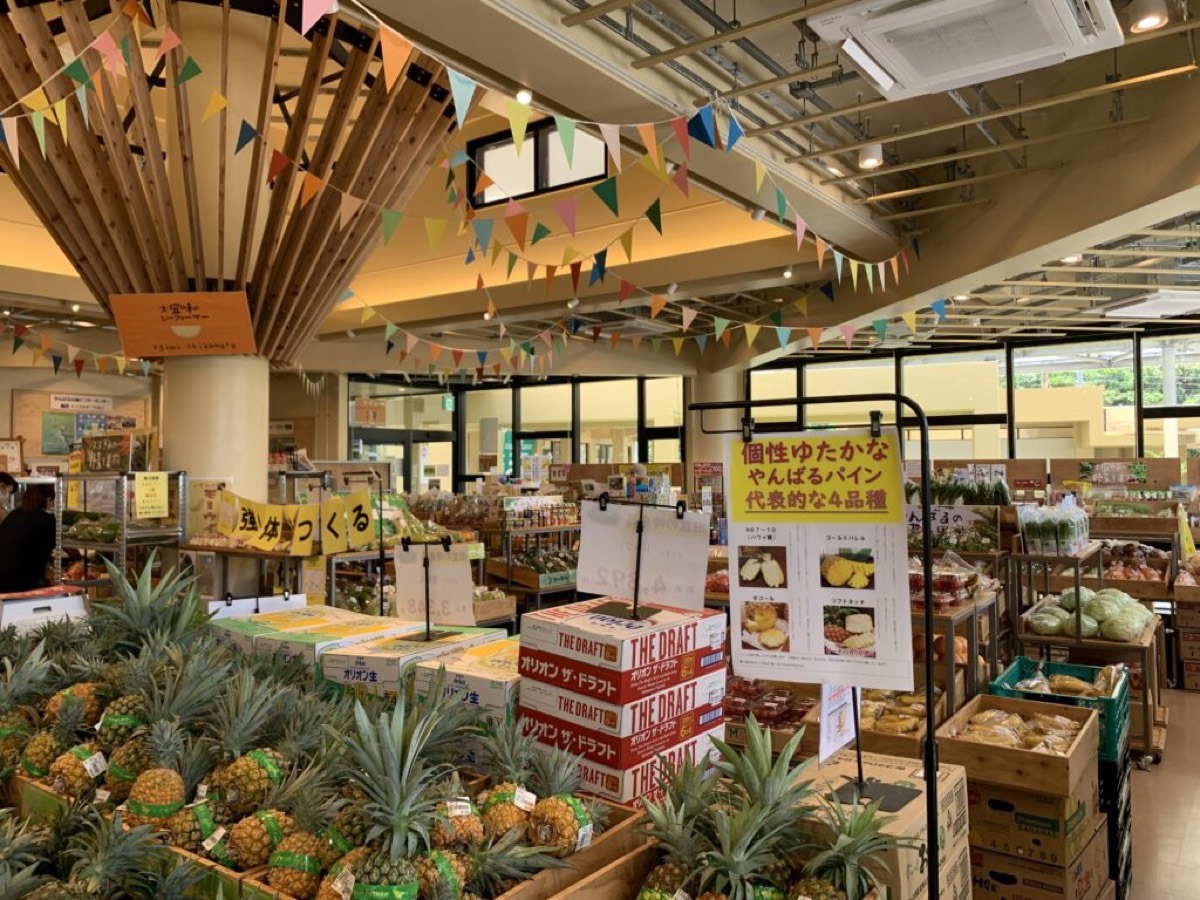
These boxes are sold everywhere in Okinawa: supermarkets, convenience stores, roadside stations, the souvenir halls inside the malls, and the airport. The prices are not the same in all of them, and the airport is rarely the cheapest.
A supermarket carries the mainstream boxes at grocery prices. The souvenir halls inside PARCO CITY and Rycom carry a wider range with staff who can answer questions. Roadside stations carry small-producer boxes you will not see anywhere else, though usually for cash.
Buy them earlier in the trip than feels natural. The last-morning airport dash is how people end up paying more for a shorter-dated box.
One last thing about the money. Okinawan gift boxes are cheap by Japanese standards, and it is easy to over-buy because each box feels inexpensive. Set the number of people first, buy for that, and stop.
Because the box is meant to be broken up. A sealed pair is one person's share, handed over without anyone touching the food. It is packaging designed for distribution, not for display.
Chinsuko, by a distance. The five-flavour box is ¥1,620 for 48 biscuits in 24 sealed pairs, about ¥34 a biscuit or ¥68 a packet. Tarts and sando work out around ¥200–216 per piece.
Yukishio sando at 240 days, then chinsuko at 70. Beni-imo tart is the short one at 30 days from manufacture, so buy it late and hand it out early.
Yukishio sando declares almond. Beni-imo tart does not contain peanuts but the maker states its Yomitan factory also produces peanut products, which matters for severe allergies. Check each box.
Yes. They are solid, so the liquid rules do not apply. Bottles of juice or awamori are the ones that have to be checked.
Only if you have run out of time. The same boxes are sold across the island, often for less, and buying earlier gives you a longer-dated box and a calmer decision.