OL Okinawa Lovers
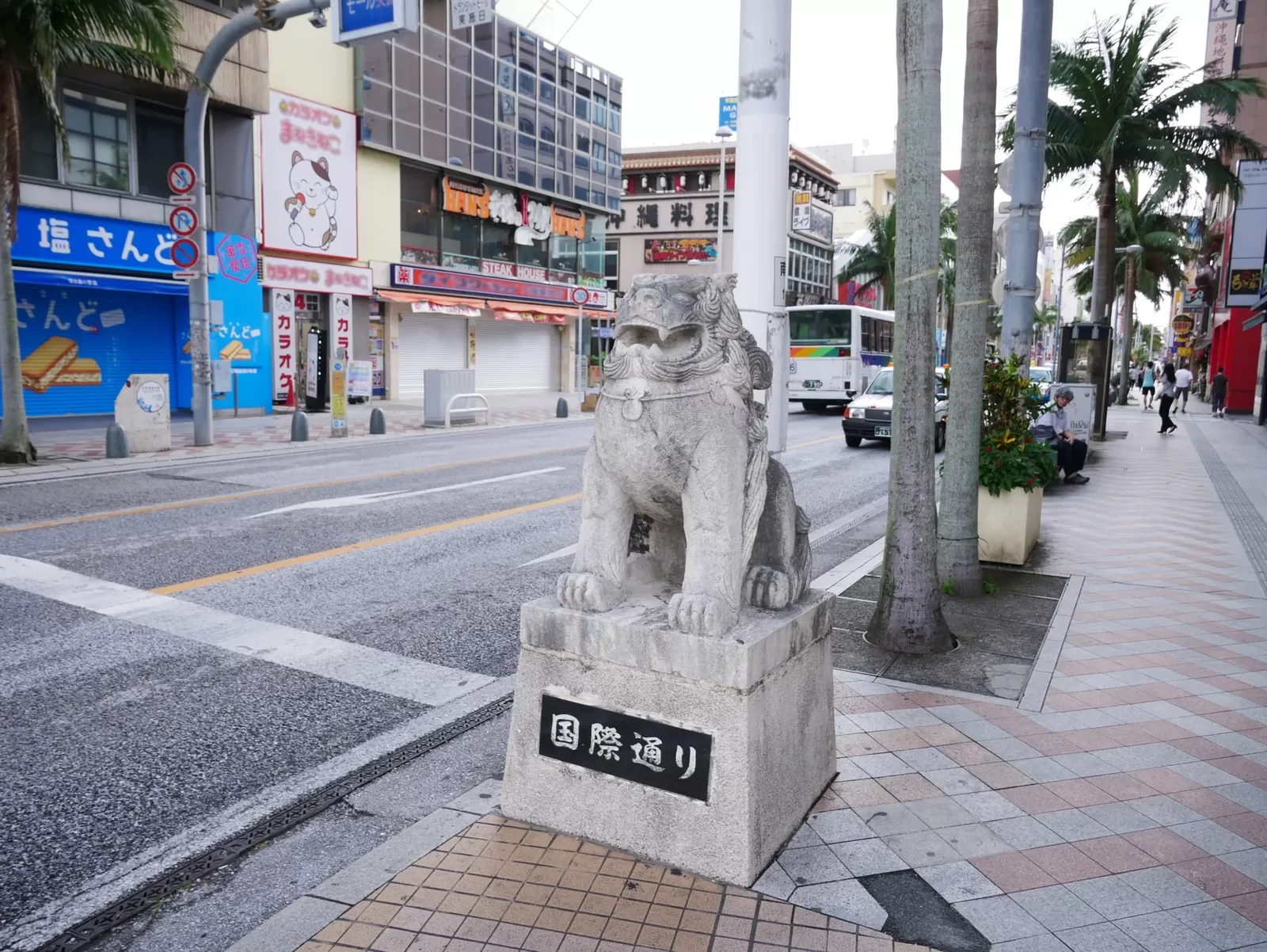
A stone shisa on a plinth marked Kokusai-dori, at the entrance to the street in Naha
Okinawa's guardian lion

Shisa,
and no wrong way to put one out

The oldest village shisa in Okinawa was set up in 1689 to stop fires. Most of the placement rules you read online come from individual workshops. What a visitor needs is simpler: where to buy one, whether you can make your own, and how to get it home.

Oldest village shisa: 1689 (Tomori, Yaese) Make your own: ¥1,600 to ¥4,400 Clay: posted 1 to 2.5 months later Painting and plaster: home the same day Checked September 2026
Oldest village shisa: Tomori, Yaese TownFree · open at all times · parking
Make your own
Walk anywhere in Okinawa and you are being watched. From rooftops, from gateposts, from shop doorways.

Look them up and you will find plenty of rules: open mouth on the right, closed mouth on the left, face south to keep fire away. Follow those rules back to where they came from and almost all of them lead to a workshop or a souvenir shop. We could not find a prefectural office or a museum that says a shisa must be placed a certain way. The people who make them say plainly that there is no rule.

So this page does not list rules. It sets out what can be checked, and what is actually useful when you are here: where to buy one, whether you can make your own, and how to get it on a plane.

What a shisa is

a guardian lion, in three stages

A guardian lion. The lion statue came from China and reached the Ryukyu Kingdom over a long stretch of time. When exactly is unclear: sources say the 13th century, the 14th to 15th, or the 15th.

Where they stand widened in three steps.

1

Palace lions (miya-jishi)

At temples, castle gates and tombs connected to the royal government.

2

Village lions (mura-jishi)

At the entrance to a village or on high ground, guarding the whole community.

3

House lions (ya-jishi)

On the roof or gate of a single home, from the late 19th century onwards.

1689: it started with fire

The first recorded village lion is the large stone lion of Tomori, in what is now Yaese Town in the south of the island.

Tomori kept catching fire. The villagers asked a feng shui master, who told them that nearby Mount Yaese carried the energy of fire. In 1689 they set a lion facing the mountain. The Kyuyo, an official history of the Ryukyu Kingdom, records it.

It stands 141 cm tall and 176 cm long, and is described as the oldest and largest village lion. It is a designated cultural property of Okinawa Prefecture. It still carries bullet marks from the Battle of Okinawa, and there is a photograph of an American soldier using it as cover.

WhereLarge stone lion of Tomori
Tomori, Yaese Town, southern Okinawa
Set up1689, facing Mount Yaese, to stop fires
Size141 cm tall, 176 cm long
VisitingFree, no gate, parking. About 30 minutes by car from Naha Airport (approximate)

The rooftop shisa were made by roofers

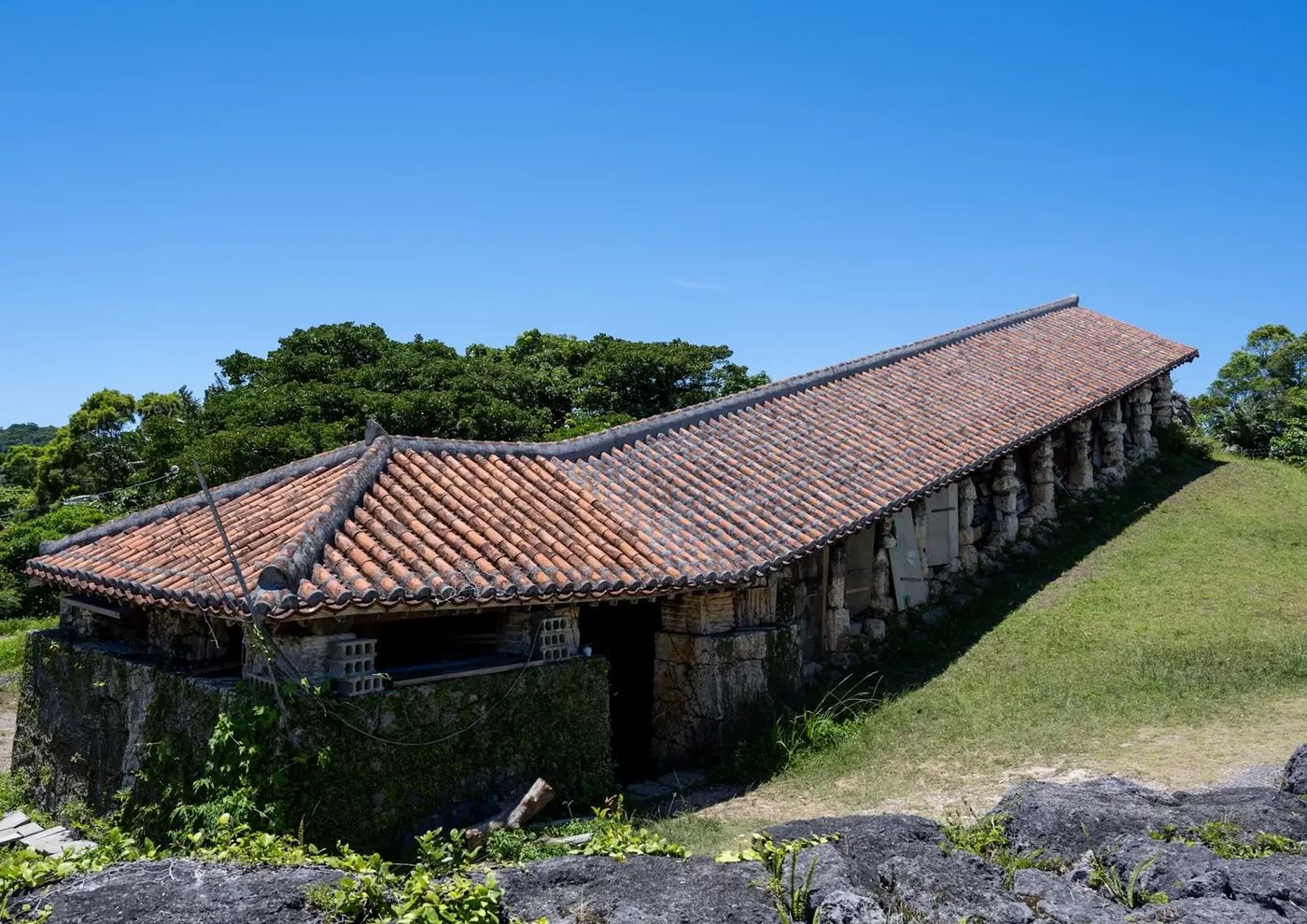
Ordinary households were allowed tiled roofs only in the Meiji era (1868 to 1912). As red tile roofs spread to ordinary homes, the roof tilers are said to have started shaping shisa out of leftover tiles and plaster and setting them on top. Most of the shisa you see on Okinawan roofs come from that tradition.

Ceramic shisa have long been made in Tsuboya, the pottery district of Naha. Tsuboya ware is a nationally designated traditional craft, and shisa are one of its main products.

Open mouth, closed mouth

what you will hear, and what is actually known

In a pair, one usually has its mouth open and the other closed.

The explanation you will hear most often in Okinawa is that the open-mouthed one is male and the closed-mouthed one is female. You will also hear that the open mouth invites good fortune in and the closed mouth keeps it from escaping. Shop staff and potters say it all the time, so it is worth knowing.

It is not a rule, though. According to a curator at the Ryukyu Kingdom history museum, a shisa can stand alone or in a pair, and it does not have to have a sex. A single shisa almost always has its mouth open. The workshops themselves note that there are many interpretations of what the mouths mean.

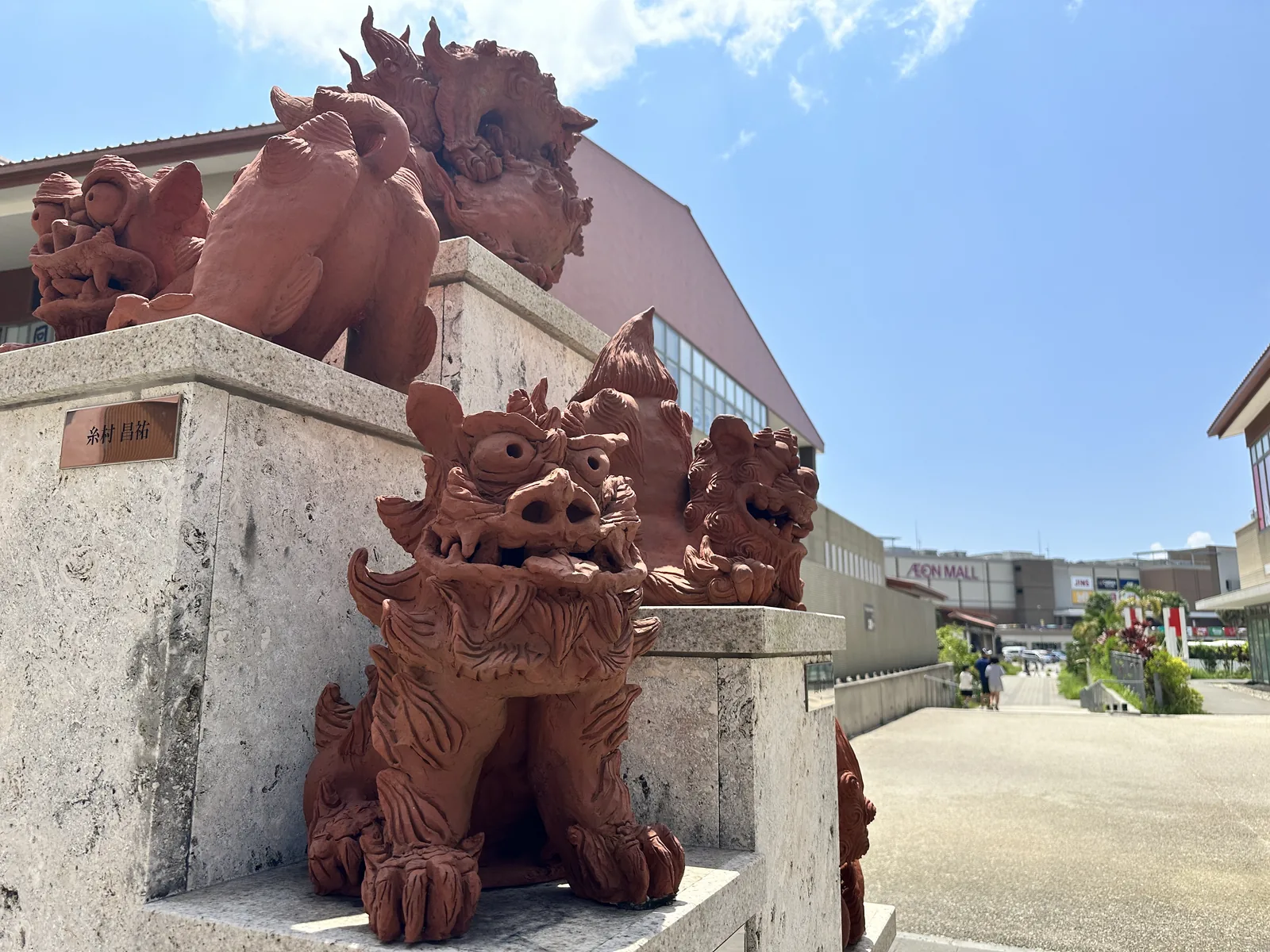
A pair of red clay shisa on plinths outside AEON MALL Okinawa Rycom, the front one with its mouth open
Red clay shisa at the entrance of AEON MALL Okinawa Rycom.

Where to put one

no rule, three useful points

In the words of one maker, Shimanchu Kobo: "There is no rule that says it must go in a particular place."

Beyond that, the makers agree on three things.

1

Point it at what you want it to watch over

At a door or gate, face it towards where people arrive. Indoors, put it where it can see the family.

2

Do not face it at a wall

A shisa is there to look out, so give it a view.

3

In a cold climate, keep pottery indoors

Shisa fired at a low temperature can crack when they freeze. A shelf by the front door or a spot in the living room works well.

When you set a pair side by side, the most common arrangement is open mouth on the right as you face them and closed mouth on the left. Some areas and families do the opposite. This is not a rule either.

From the editors, in Yomitan

Count them
on your trip

In Okinawa there is hardly a day when you do not see a shisa. Unless you never leave the house, they really are everywhere.

When you come, try counting how many you meet during your trip, and which one stays with you. Share it with friends or on social media. It makes for one more good story from Okinawa.

Where to buy one

three places, three kinds of shop

Tsuboya Yachimun Street (Naha)

A pottery street in central Naha, within walking distance of Kokusai-dori. Workshops sell directly here, so it is easy to find a shisa where you know who made it.

!
The Tsuboya Pottery Museum on the street is closed for exterior repairs from 1 September 2026 to 31 March 2027.

Yachimun no Sato (Yomitan Village)

When Naha stopped potters from using wood-fired kilns, the ones who wanted to keep firing with wood moved here. It now holds 19 independent workshops. Opening hours and closing days differ from workshop to workshop, so check ahead if you have one in mind.

Kokusai-dori

The main shopping street in Naha, with many souvenir shops open into the evening. It has the widest range of styles and prices. If you want one made in Okinawa, choose a piece with the maker or workshop named on it, or ask the staff. Getting around Naha →

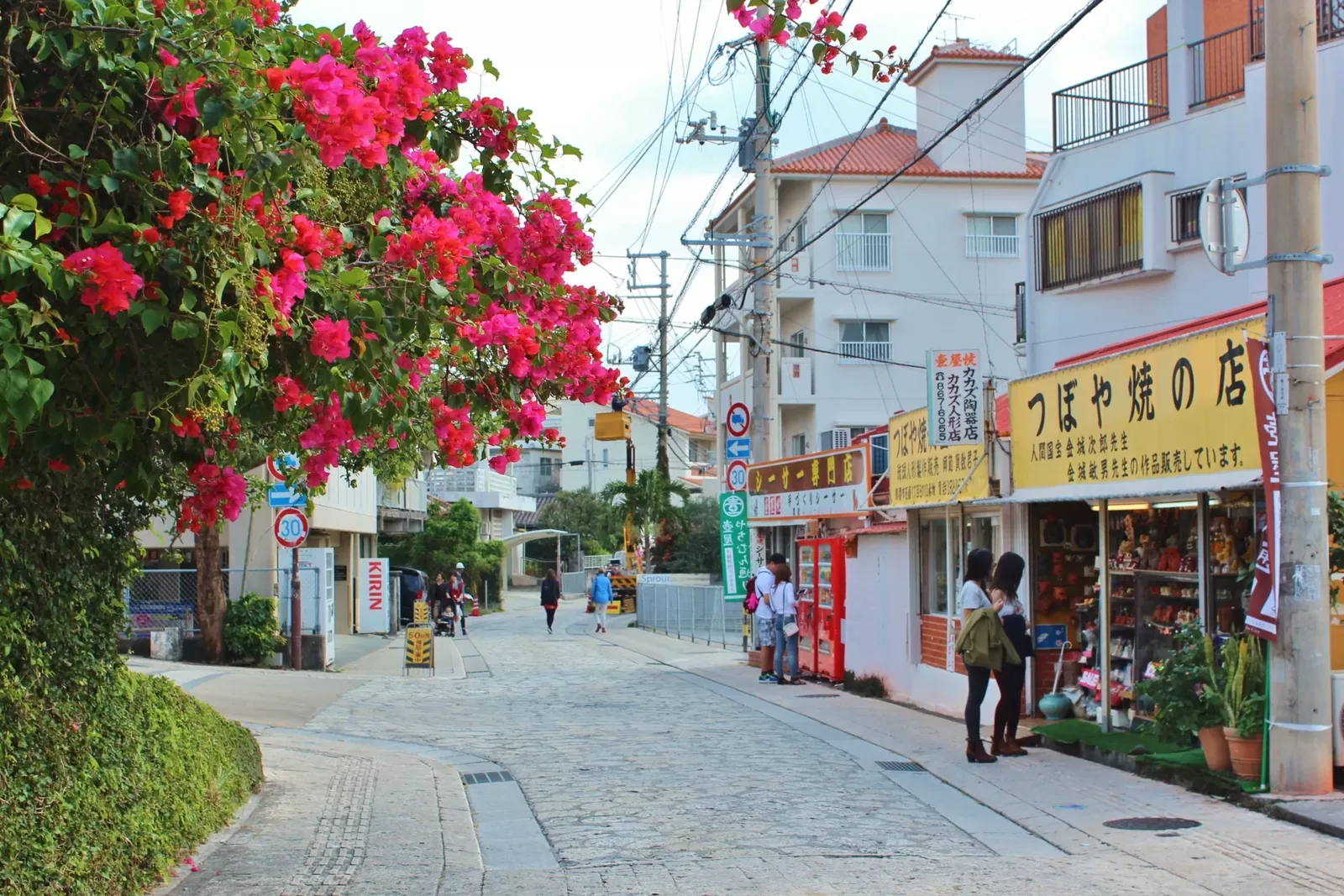
Pottery shops along Tsuboya Yachimun Street in Naha, with a shisa shop sign
Tsuboya Yachimun Street, a short walk from Kokusai-dori.
The old climbing kiln at Yachimun no Sato in Yomitan, with a red tiled roof
The climbing kiln at Yachimun no Sato, Yomitan.

Make your own

the question is whether it goes home today

Shisa-making experiences fall into three types. For a visitor, the question that matters most is whether you can take it home the same day.

See shisa experiences you can take home the same dayAd

Painting and plaster plans on Klook, bookable in English.

See shisa experiences on Klook →

Ad / Book in English. Check the plan description to see whether you take it home the same day or it is posted later.

ExperienceExamplePrice (approx.)TimeTake it home
PaintingRyukyu Mura (Onna)¥2,200 (one shisa)About 50 minSame day
Painting a plaster shisaOkinawa World (Nanjo)From ¥1,600From about 20 minSame day
Making a plaster shisaMurasaki Mura (Yomitan)From ¥3,900From about 1.5 hoursSame day, boxed
Shaping one from clay (pottery)Ikutouen Yachimun Dojo (Tsuboya, Naha)¥4,400 plus postageAbout 60 to 90 minPosted 1 to 2.5 months later

Prices checked on each venue's official site in September 2026. Ryukyu Mura and Okinawa World charge park admission on top.

Clay shisa need time in the kiln, so the finished piece is posted to you later. Whether a venue will post overseas varies, and we could not confirm it. If you do not have an address in Japan, a painting or plaster experience that you take home the same day is the safe choice.

Check availability and pricesAd

Plans in Naha, Onna, Ishigaki and more.

Check shisa experiences on Klook →

Ad / Plans in Naha, Onna, Ishigaki and more. As of September 2026, from about US$12.69 per person (varies with the display currency).

Links to Klook are affiliate links. If you book through them we earn a small fee, and your price does not change.

Getting it home on a plane

fragile, so keep it with you

A ceramic shisa is fragile. Airlines say they cannot take responsibility for fragile items such as pottery if they are damaged in checked baggage (ANA). Carrying it on board is the safest option.

Ask the shop to wrap it as a breakable item. Plaster shisa chip easily too, so treat them the same way.

Questions

Can I buy just one?+

Yes. A museum curator says one or two are both fine. A single shisa almost always has its mouth open.

Which one is male and which is female?+

The usual answer is that the open mouth is male and the closed mouth is female. It is not a rule, and explanations differ between workshops and areas.

Does it have to go on the roof?+

No. Rooftop shisa are something roof tilers made for red-tiled houses. Today most people put theirs by the front door or indoors.

Can I see the oldest one?+

Yes. The large stone lion of Tomori in Yaese Town is free to visit, open at all times, with parking.

Sources

checked 23 September 2026