By monorail
Shuri Station, at the far end of the Yui Rail from the airport, then about 15 minutes on foot, uphill most of the way, or 5 minutes on the ⑦ or ⑧ bus.
Keep the pass: it gets you the group rate at the window.
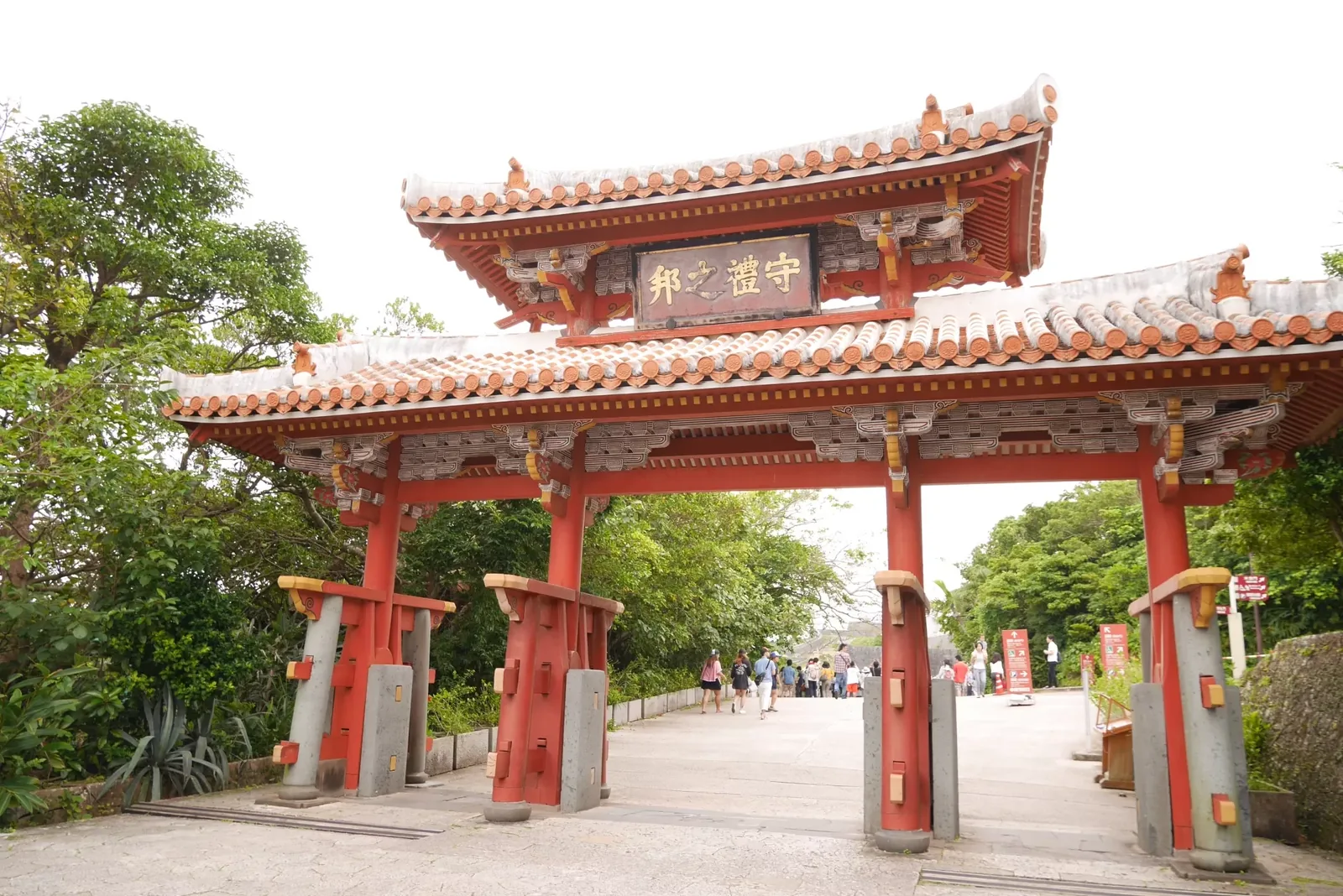
The main hall opens to the public on 23 November 2026, and admission goes from ¥400 to ¥1,000 the same day. The World Heritage site, meanwhile, is not the building. It is what lies under it.
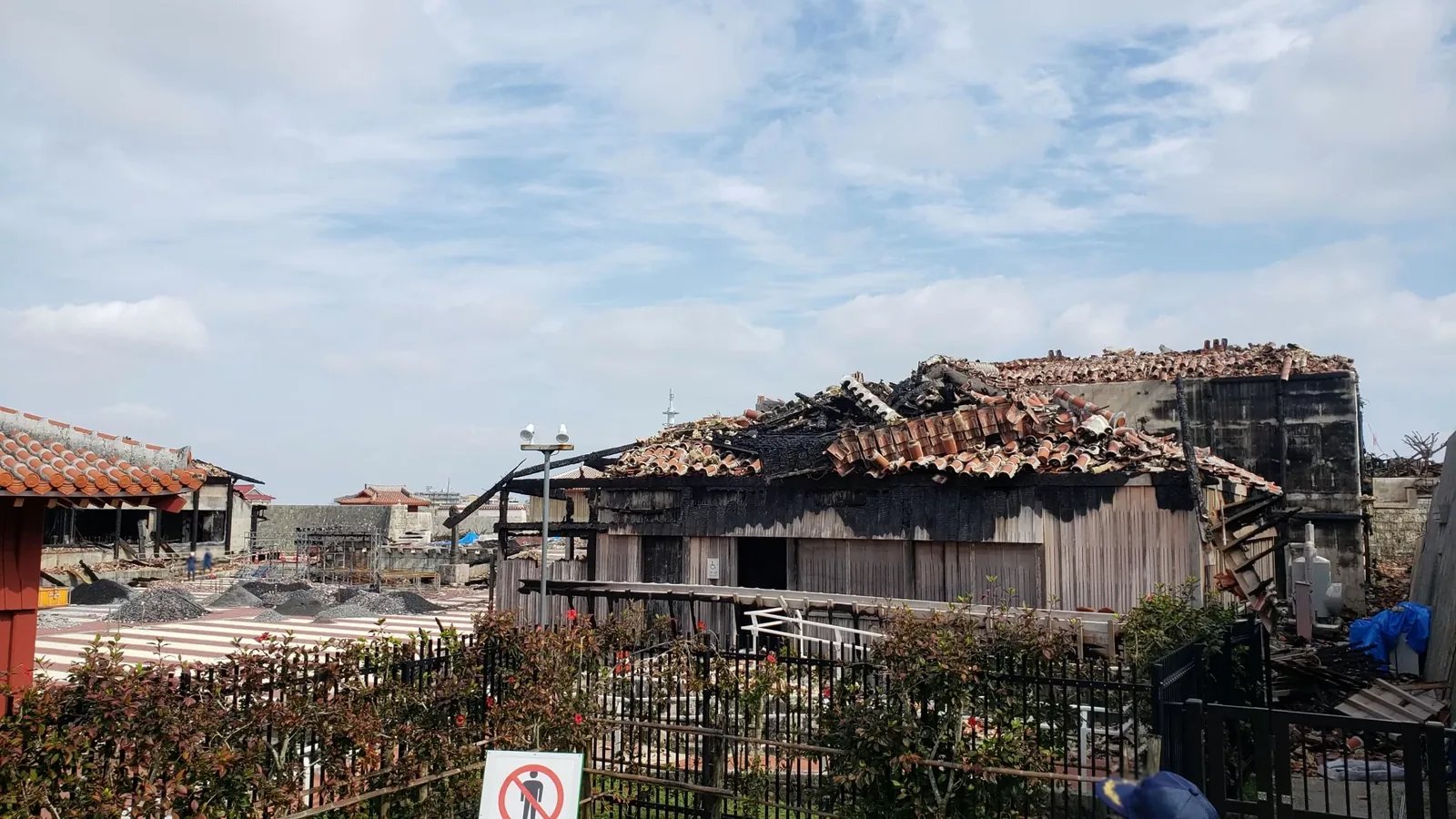
Shuri Castle burned down on 31 October 2019, and most English pages about it have been slightly wrong ever since: about what was lost, about whether you can visit, and now about what it costs.
All three have answers, and they are more interesting than the summaries. The park never closed. The World Heritage listing was barely touched. And on 23 November 2026 the rebuilt main hall opens to the public, on the same day the adult ticket goes from ¥400 to ¥1,000.
The inscribed property at Shuri is the castle site, the archaeological remains. Stone foundations, pillar holes, ditches: the physical evidence of the Ryukyuan royal court, most of it below the present ground surface. It was inscribed in 2000 as part of the Gusuku Sites and Related Properties of the Kingdom of Ryukyu.
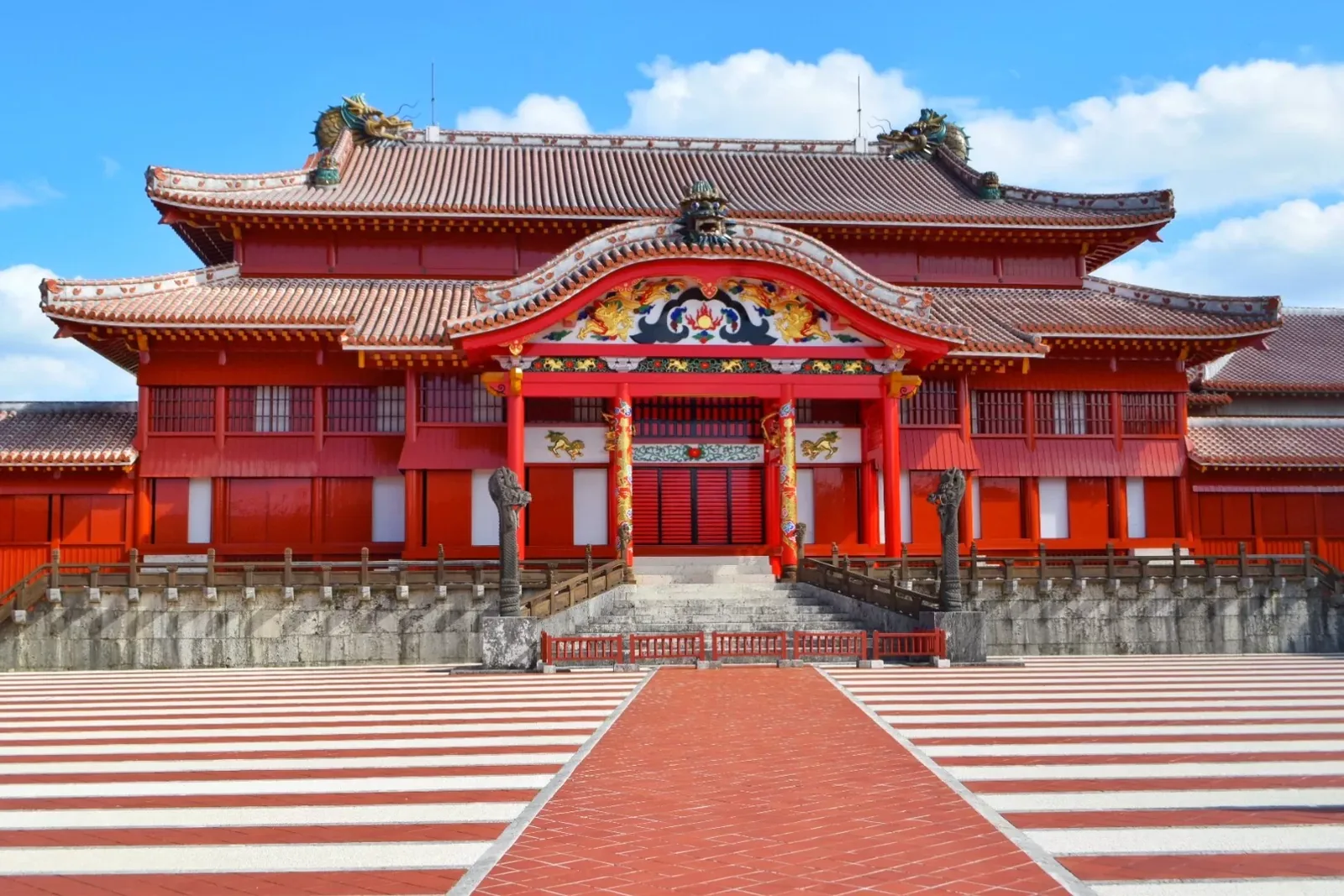
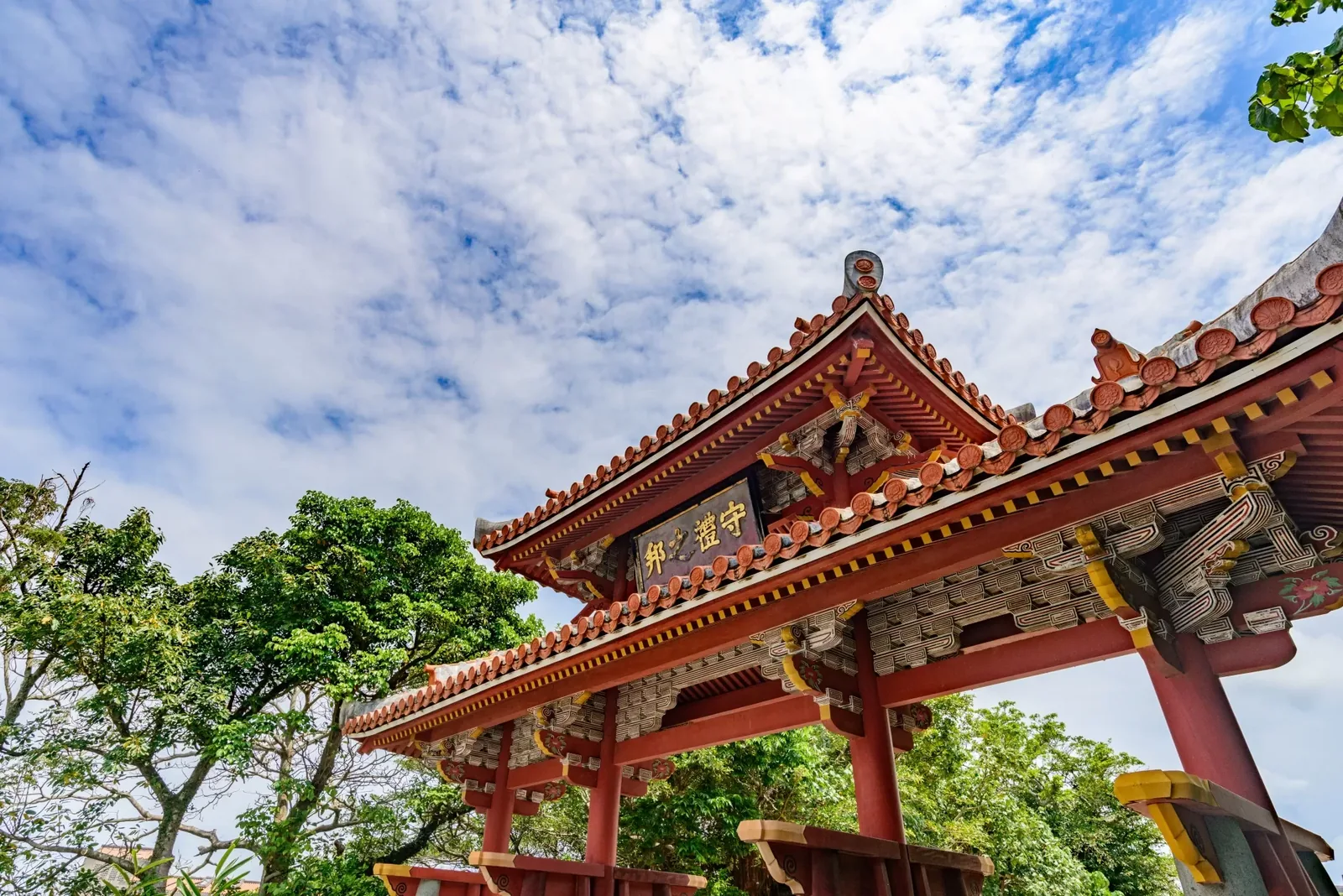
The buildings you photograph are reconstructions, begun in 1992. They are careful, expensive and built with traditional joinery, and they are not what UNESCO listed. The distinction is dry until the night of 31 October 2019, when it becomes the whole story.
The fire destroyed the main hall and its neighbours. Japan's Agency for Cultural Affairs then reported to UNESCO that damage to the remains beneath amounted to about 0.05 percent of their area, and that the impact on the value of the World Heritage property was minimal. Most of the remains lie under a protective covering of soil; the damaged patches were ones that had been left exposed for display and research.
So the honest sentence is this: Okinawa lost a magnificent reconstruction, and kept its World Heritage site. Both halves matter, and most English pages give you only one of them.
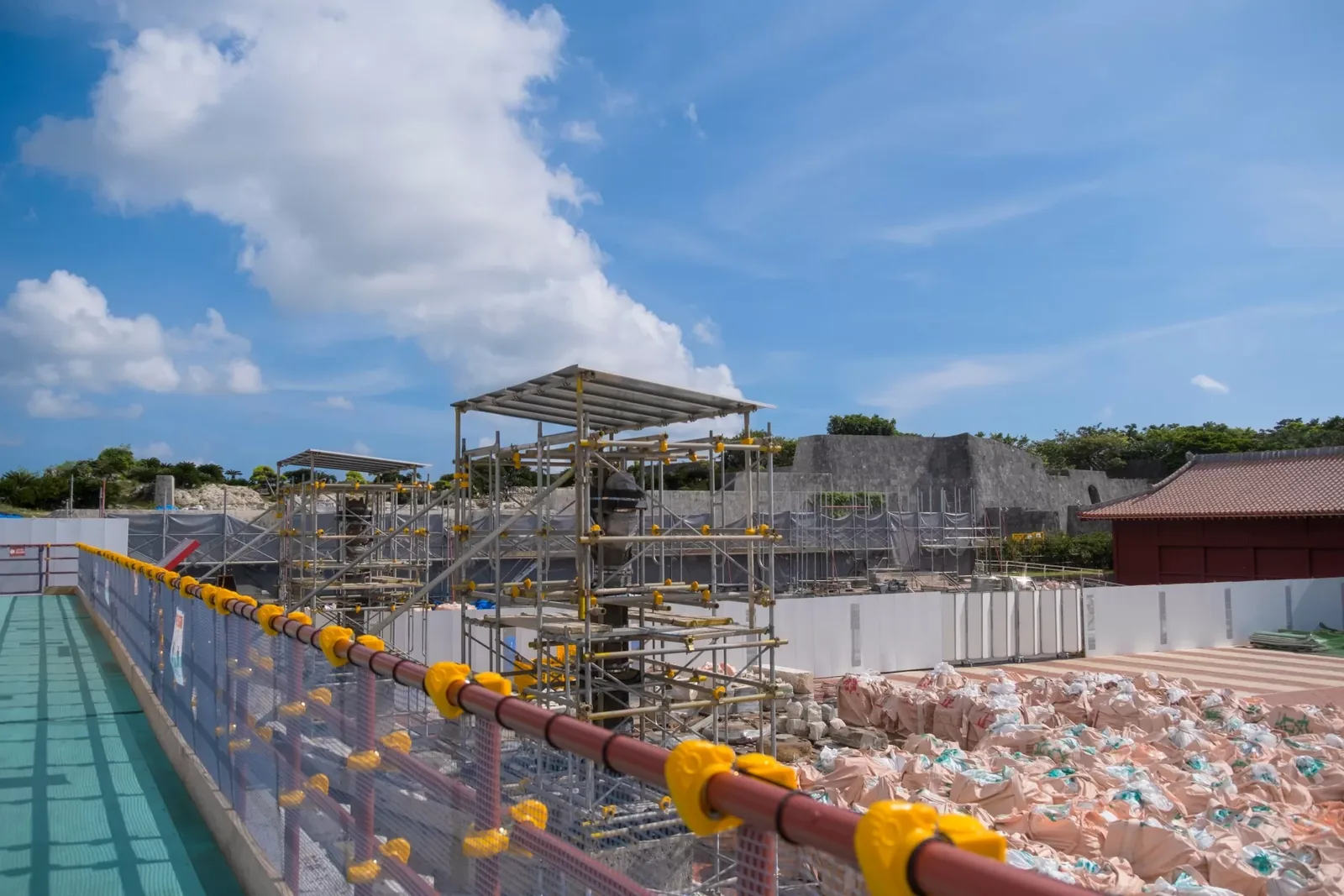
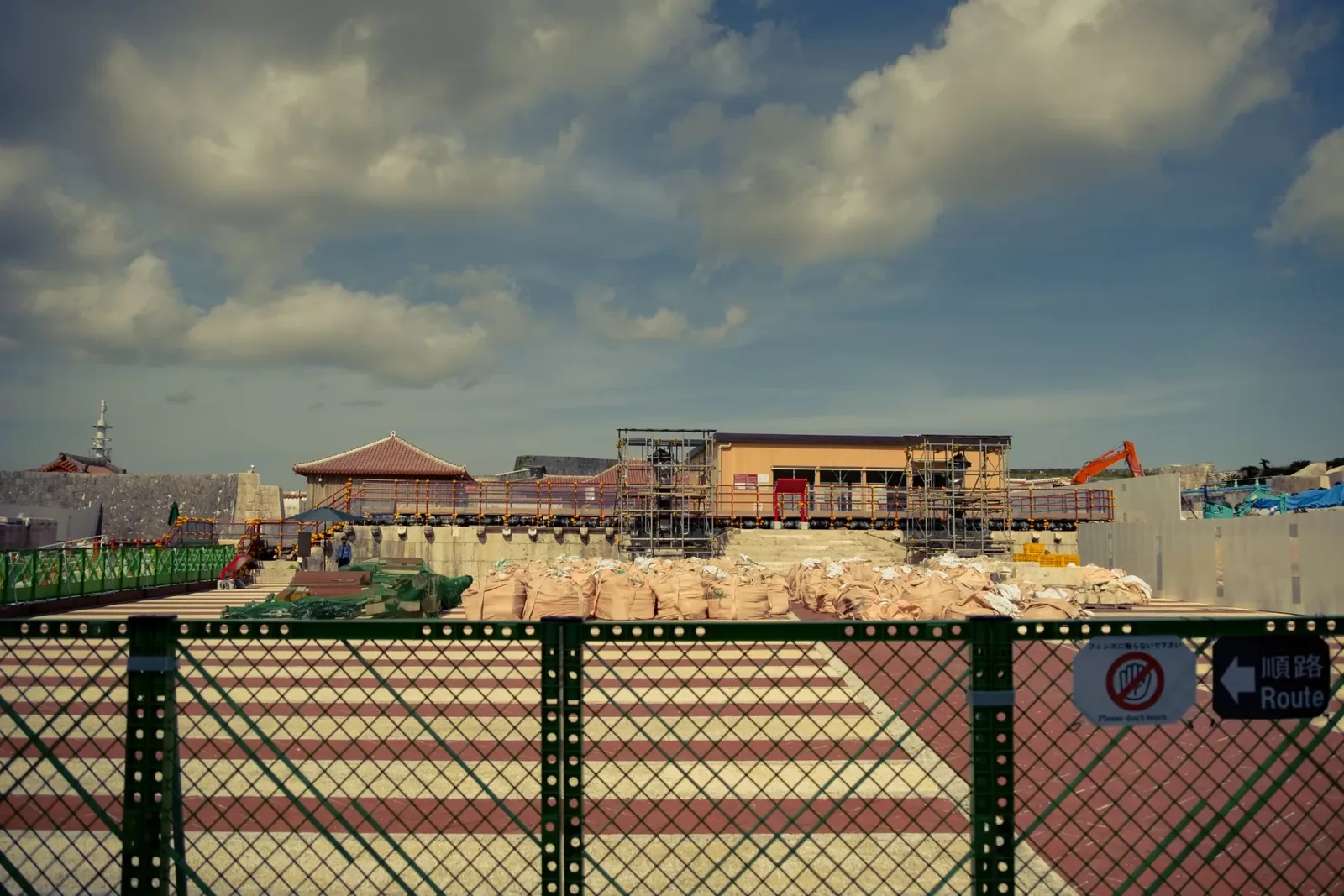
The temporary work roof came off in October 2025, so the rebuilt main hall stands in the open and can be seen from the courtyard. You cannot go inside it. Everything else is open as normal: the gates, the paid area, the view over Naha. Adults ¥400.
The formal ceremony marking the end of the reconstruction. Arrangements for public access on the day itself had not been published when we last checked.
Public access to the interior begins. Adult admission becomes ¥1,000. Going inside the hall needs a timed reservation booked ahead; there is no extra charge for it, and no walk-up. The paid-area ticket is the same price whether or not you go in.
The park has said the increase reflects fire and disaster protection for the new hall along with rising running costs. Whatever the reasoning, the practical effect is a 150 percent rise on a single date, and almost every English guide currently online quotes ¥400 with no end date attached.
If you are choosing when to come, the trade is straightforward. Before 23 November you pay ¥400 and see a finished exterior you cannot enter, at the end of a six-year reconstruction. After it you pay ¥1,000 and go inside.
| Paid area | Now | From 23 Nov 2026 |
|---|---|---|
| Adult | ¥400 | ¥1,000 |
| High school | ¥300 | ¥760 |
| Elementary & junior high | ¥160 | ¥370 |
| Under 6 | Free | Free |
| Group of 20+ (adult) | ¥320 | ¥800 |
| Annual pass (adult) | ¥800 | ¥2,000 |
| Annual pass, prefecture residents | ¥600 | ¥1,500 |
Two discounts worth knowing. Showing a 1-day or 2-day Yui Rail pass at the ticket window currently gets you the group rate, so ¥400 becomes ¥320. Okinawa residents aged 70 and over enter free with ID, and holders of a disability certificate enter free with one carer. Whether the rail-pass discount survives the November change has not been announced; if you are travelling after that date, budget ¥1,000 and treat anything less as a bonus.
Open 8:00–19:30 (April–November) or 8:00–18:30 (December–March).
Open 8:30–19:00, last entry 18:30 (April–November); 8:30–18:00, last entry 17:30 (December–March).
Shuri Station, at the far end of the Yui Rail from the airport, then about 15 minutes on foot, uphill most of the way, or 5 minutes on the ⑦ or ⑧ bus.
Keep the pass: it gets you the group rate at the window.
The prefectural car park is under Suimuikan at the entrance. It opens at 8:30 (it was 8:00 until 1 July 2026) and closes 19:30 April–November, 18:30 December–March.
Central Naha parking is scarce; the monorail is usually easier.
About 90 minutes. It is walked as a sequence of gates and enclosures up a hill, not as one building, and the stone is uneven in places.
Late afternoon light is the best of the day up here.
Yes, and it has been throughout. The park, the gates and the paid area stayed open during the reconstruction. What you could not do was enter the main hall, and from 23 November 2026 you can, with a timed reservation.
¥400 for adults now; ¥1,000 from 23 November 2026. High school ¥300 → ¥760, elementary and junior high ¥160 → ¥370, under-sixes free throughout. A 1- or 2-day Yui Rail pass currently gets the ¥320 group rate.
No. The inscription covers the archaeological remains of the castle site: foundations, pillar holes, ditches, mostly beneath the ground. It does not cover the buildings, which are reconstructions from 1992 onwards. Japan's Agency for Cultural Affairs reported damage to about 0.05 percent of the remains and a minimal impact on the property's value. The reconstruction that burned was magnificent, and it was not the listed property.
Not for the park or the paid area as things stand. From 23 November 2026, going inside the main hall requires a timed reservation made in advance. No extra charge, but no walk-up either. Same ticket price whether or not you go in.
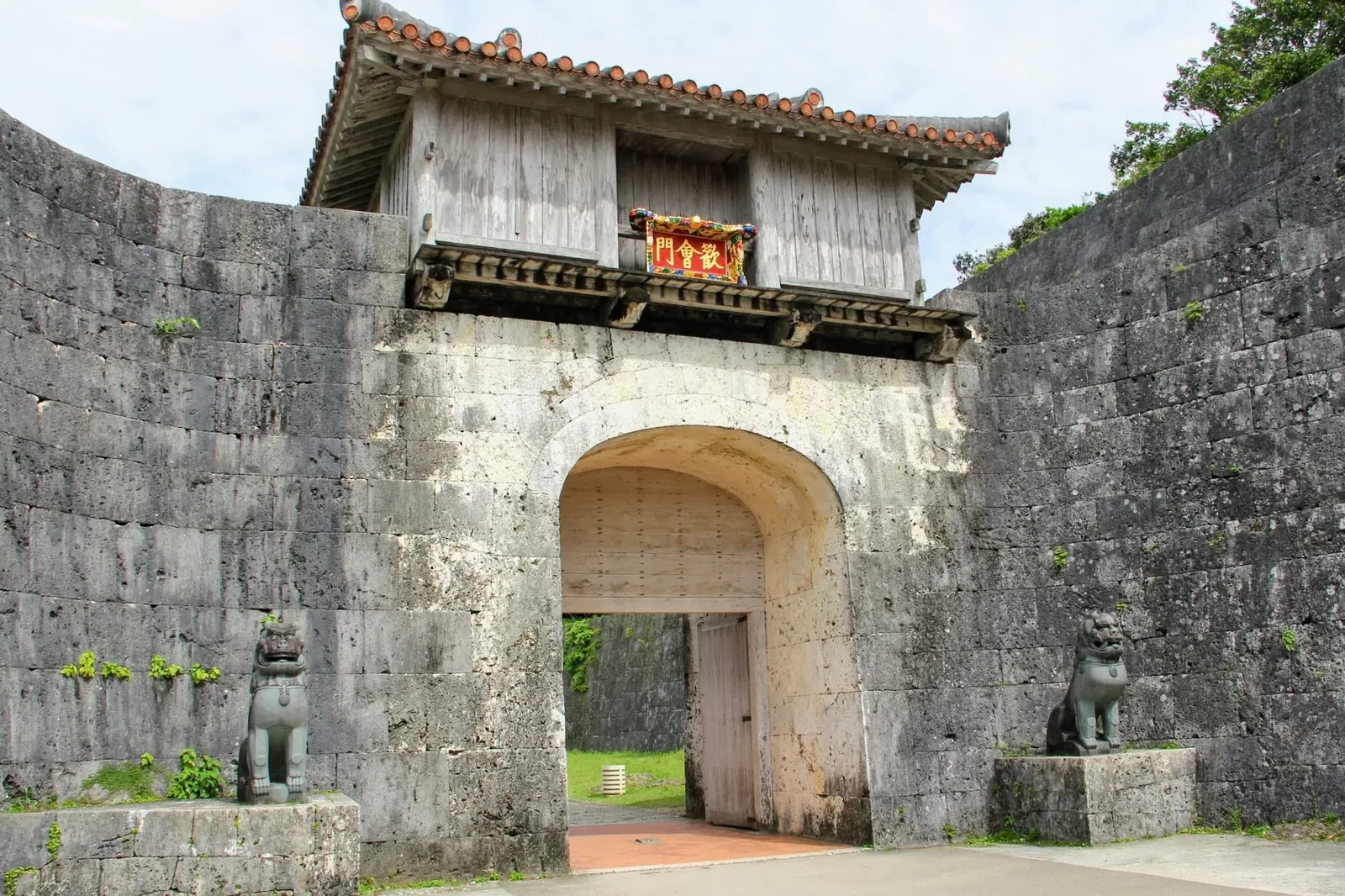
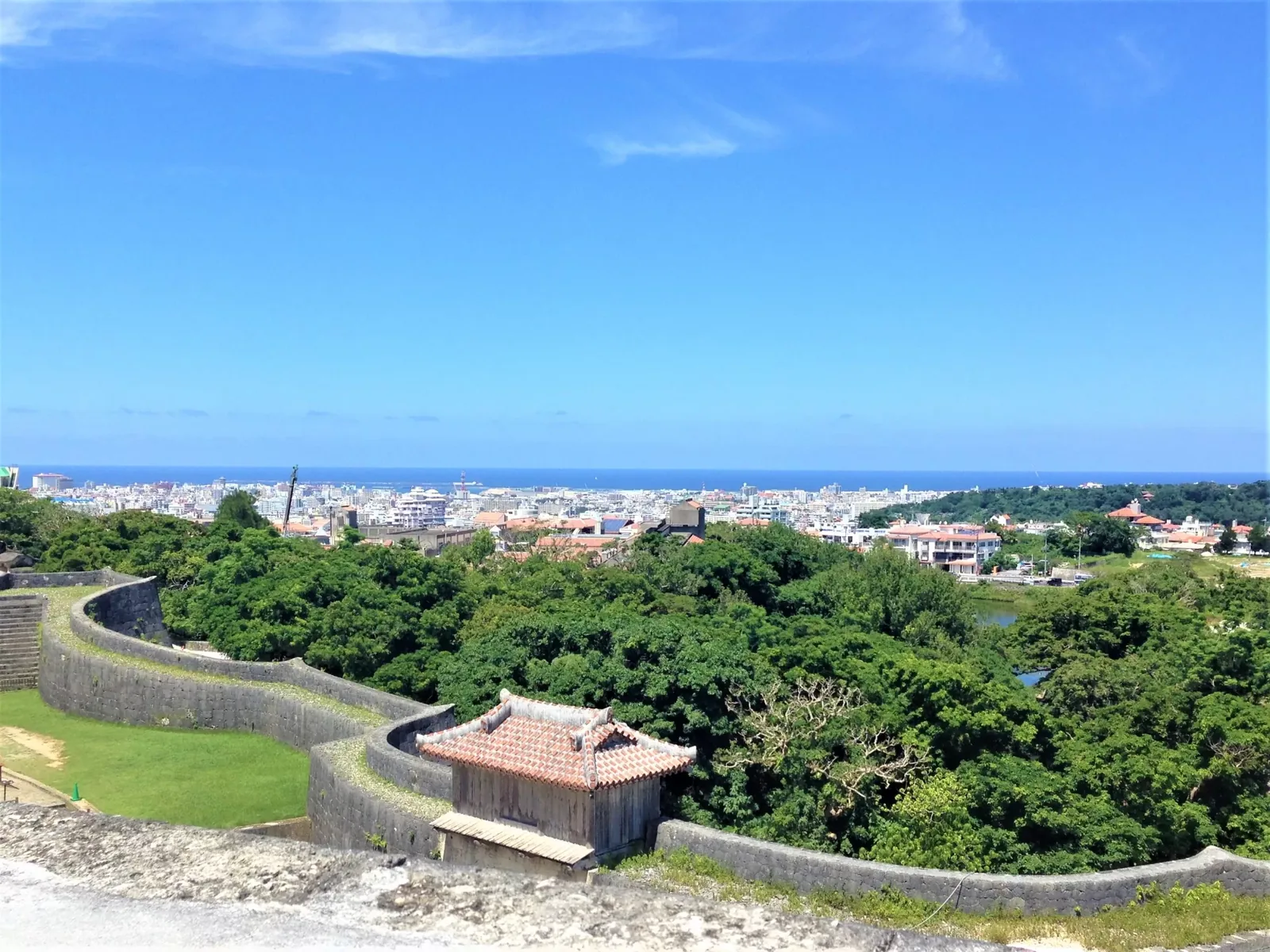
At ¥400, yes. You get the gates, the walls, the exhibition in Yohokoriden and the view from the eastern lookout, plus the finished exterior of a hall nobody has been inside for seven years. After 23 November you pay ¥1,000 and go in. Different visit, different price; neither is the wrong answer.
Tamaudun, the royal mausoleum, is a few minutes' walk and is inscribed on the same World Heritage listing (¥300, or ¥240 with a rail pass). The Kinjocho stone-paved road runs down the hill from the castle. Both fit into the same afternoon. Our Naha guide covers the rest of the city.